Contents:
- How Many Dahlia Varieties Are There? (Direct Answer)
- What Makes a Dahlia a “Variety”?
- Dahlia Types by Form and Size
- Size Classes
- Flower Forms
- Why Are There So Many Dahlia Varieties?
- Dahlias in the American Flower Market
- The Most Popular Varieties for Florists
- Growing Your Own
- Rarity and Collectability: The Hunt for Unusual Dahlias
- What Makes a Dahlia Rare?
- Finding Rare Varieties
- Why the Dahlia Count Keeps Growing
- FAQ: Dahlia Varieties and Cultivars
- How many dahlia varieties are officially registered?
- What is the rarest dahlia variety?
- Can I create my own dahlia variety at home?
- Why are some dahlia varieties unavailable every year?
- Are dahlias available all year?
- Ready to Explore the World of Dahlias (or Add One to Your Home)?
How Many Varieties of Dahlias Actually Exist?
A single trip to a dahlia show feels like stepping into an artist’s palette: petals shaped like stars, pompoms, waterlilies–every color except true blue. In 2026, the dahlia world is more complex and colorful than ever before, with enthusiasts and florists across the U.S. chasing rare blooms and debating the true count of dahlia varieties. But what’s the real number? And how do you navigate the dazzling options, whether you’re growing them in your backyard or choosing that perfect bouquet?
How Many Dahlia Varieties Are There? (Direct Answer)
Dahlias boast over 42 recognized species and more than 57,000 named cultivars worldwide as of 2026, according to the American Dahlia Society (ADS). In the United States alone, over 9,200 cultivars are registered for show or sale.
That number grows every year–US hybridizers register 100-300 new dahlia varieties annually. The dizzying variety comes from their ease of hybridization and the passion of breeders, both amateur and professional.
What Makes a Dahlia a “Variety”?
Calling something a “variety” in dahlia-speak isn’t just about color or where you buy it. Here’s how the flower world defines the differences:
- Species: Wild types native to Mexico and Central America, like Dahlia coccinea or Dahlia pinnata.
- Cultivars: Man-made or selected forms, bred for flower shape, size, or hue. ‘Café au Lait’ (a wedding favorite) and ‘Thomas Edison’ (deep purple and dramatic) are famous examples.
- Form: There are official categories based on petal arrangement: ball, cactus, decorative, waterlily, anemone, and more–22 classes as of 2026.
- Color: Nearly every shade but true blue. Florist Jess Monroe, AIFD-certified, says, “In 2026, the ‘Suncrest’ coral-pink dahlia is trending with West Coast brides, while ‘Black Narcissus’–the nearly-black pompom–is a hit with NYC event designers.”
Put simply, “varieties” means all the distinct, named cultivars registered by growers or dahlia societies–each with specific characteristics.
Dahlia Types by Form and Size
The American Dahlia Society and major US growers (like Swan Island Dahlias in Oregon) group dahlias in categories that blend science and artistry.
Size Classes
| Class | Bloom Size | Example Cultivar |
|---|---|---|
| Giant | Over 10 inches | Emory Paul |
| Large | 8-10 inches | Penhill Watermelon |
| Medium | 6-8 inches | Spartacus |
| Small | 4-6 inches | Sylvia |
| Miniature | 2-4 inches | Firepot |
| Pompon/Ball | Under 2 inches | Franz Kafka |
Flower Forms
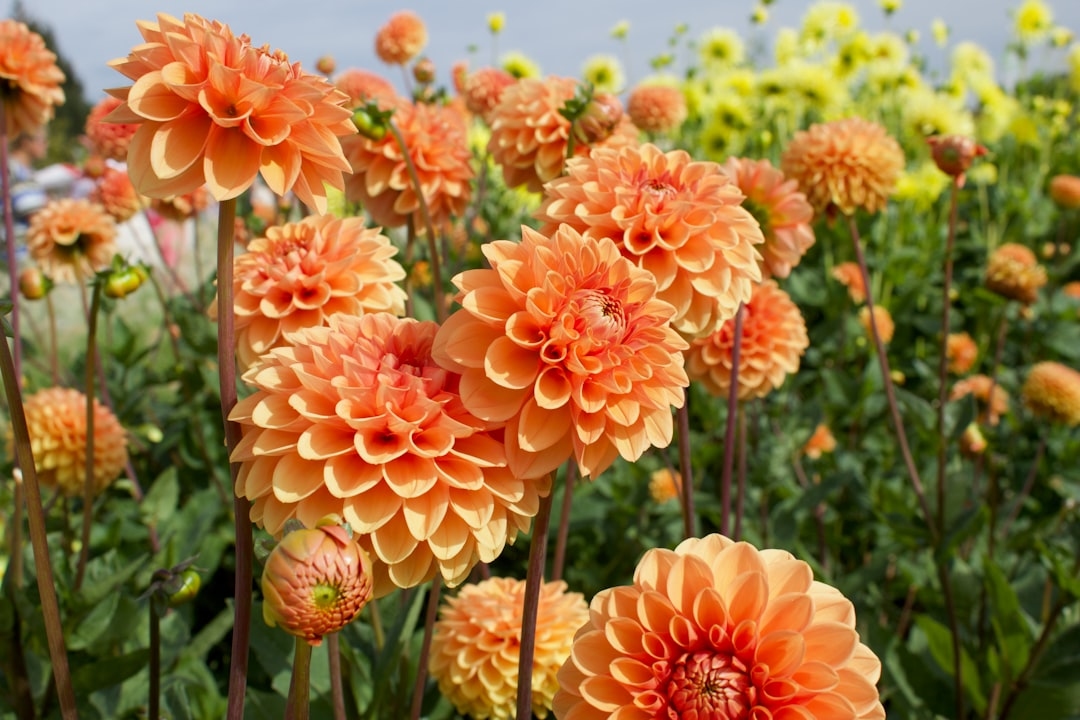
- Decorative: Full, double blooms; most common in cut-flower trade.
- Cactus & Semi-cactus: Pointed, spiky petals for texture.
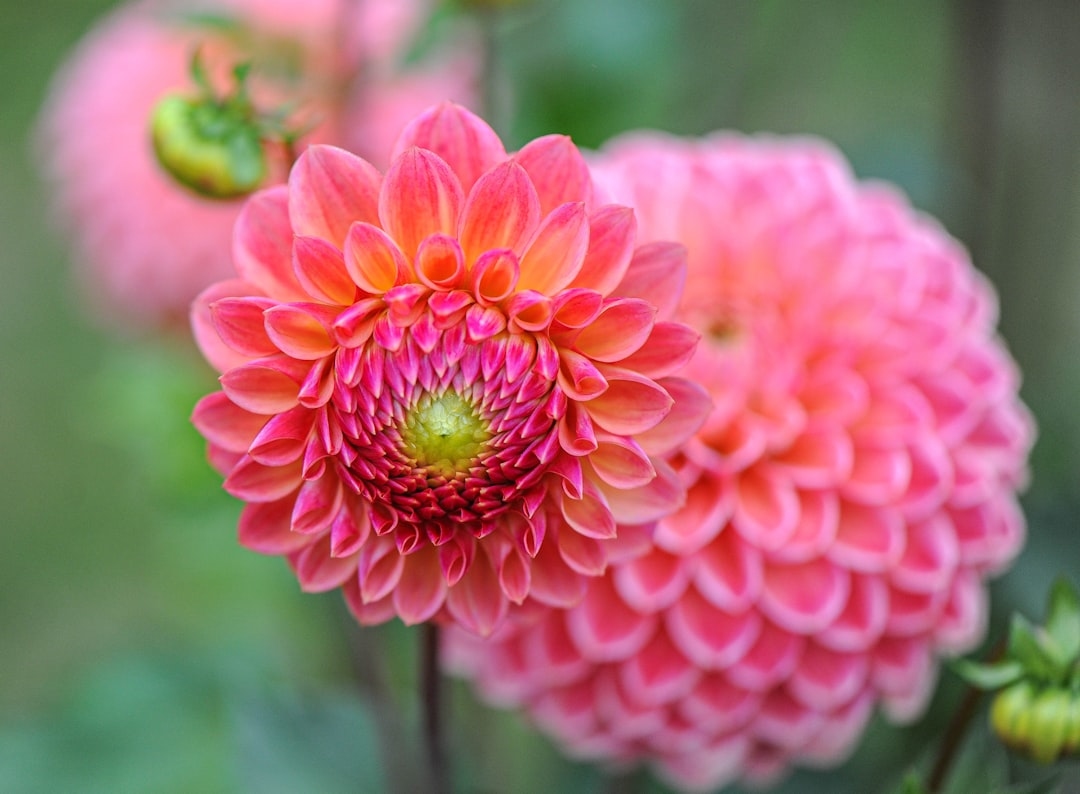
- Ball & Pompon: Globe-shaped, tightly quilled petals.
- Single & Anemone: Open centers, good for pollinators.
- Peony & Waterlily: Rounded, elegant petals–perfect for bridal work.
“For sheer variety and adaptability, no other flower matches the dahlia,” notes Dr. Rachael Greeley, horticulturist and author of Modern American Floristry (2024).
Why Are There So Many Dahlia Varieties?
Dahlias are genetic chameleons. Each bloom can produce seeds with new, unpredictable traits: size, color, petal shape. Gardeners and breeders have taken advantage of this for generations.
Key factors:
- Easy Cross-Pollination: Hand-pollination yields new offspring quickly.
- Tuber Division: Easy to propagate and share.
- Hobbyist and Professional Breeders: From backyard gardeners to U.S. giants like Arrowhead Dahlias (CO), new cultivars launch each spring.
- Global Exchange: Many varieties are imported or adapted from breeders in the Netherlands, UK, and Japan, then renamed for the US market.
According to the ADS, the U.S. dahlia market has quadrupled its officially registered cultivars since 1990. What’s on offer at a typical American garden center or flower shop in 2026 represents just a sliver of global diversity.
Dahlias in the American Flower Market
The Most Popular Varieties for Florists
Some dahlia varieties appear everywhere–weddings, birthday deliveries, flower shops from San Francisco to Brooklyn. The top sellers in 2026 include:
- ‘Café au Lait’ – Blush, creamy, highly sought-after.
- ‘Cornel’ – Ball-shaped, deep red, long-lasting.
- ‘Boom Boom White’ – Clean white, sturdy stems, perfect for arrangements.
- ‘Labyrinth’ – Large, ruffled pink-and-apricot blooms.
Bouquet prices for dahlias in the US range from $35 to $90 depending on the variety and season, according to Florists’ Review’s 2025/26 pricing report.
Growing Your Own
With over 9,000 cultivars available in the U.S., gardeners can order tubers online from retailers like Eden Brothers or Floret Flowers. Packs of named varieties run $8-$15 per tuber; specialty or rare types may fetch $25-$40 each, especially at launch.
“In 2026, the most exclusive dahlias are often pre-sold in January, with top varieties like ‘KA’s Cloud’ selling out in under an hour,” says Angela Carboni, lead grower at Oregon’s Swan Island Dahlias.
Rarity and Collectability: The Hunt for Unusual Dahlias
What Makes a Dahlia Rare?
- Limited Release: Some breeders only produce a few hundred tubers per year.
- Unusual Colors or Petal Forms: Green-flowered dahlias (‘Viridiflora’) or collarette types can spark collector frenzies on dahlia forums.
- Historic or Heirloom Varieties: Early 20th-century types, sometimes rescued from old gardens or seed banks.
Finding Rare Varieties
Most U.S. collectors buy direct from specialty growers’ websites or dahlia societies’ sales. The American Dahlia Society maintains a searchable registry (free) for checking parentage and show eligibility.
Why the Dahlia Count Keeps Growing
Flower breeders are never satisfied. In 2026, the ADS and International Dahlia Register together logged more than 600 new cultivars globally, from backyard breeders and professional operations alike.
- Hybridization: Each cross can reveal entirely new traits.
- Global Collaboration: Cultivars bred in Australia or the UK are regularly introduced to the US, expanded by breeders like Cheryl Lane of Lane’s Dahlias (Washington).
- Consumer Demand: Florists request specific shapes and colors for trends–think ‘fluffy’ or ‘black’–and breeders respond.
Pull-quote:
“No matter how many varieties we list, every year there are a hundred more. It’s the closest thing to infinite I’ve seen in horticulture.”
– Bryan Lee, President, American Dahlia Society, 2026
FAQ: Dahlia Varieties and Cultivars
How many dahlia varieties are officially registered?
As of 2026, there are more than 57,000 named and registered dahlia cultivars worldwide, with over 9,200 available in the US.
What is the rarest dahlia variety?
Some of the rarest dahlias are limited-edition breeder releases, like ‘KA’s Khaleesi’ (less than 200 tubers sold in 2025). Heritage varieties from the 1920s and unusual green or black forms are also considered rare.
Can I create my own dahlia variety at home?
Yes! By cross-pollinating dahlias and growing seeds, gardeners can develop unique cultivars. Most new US varieties come from hobbyists. It takes 2-3 years to assess and stabilize new traits before naming and registering.
Why are some dahlia varieties unavailable every year?
Dahlia tubers are replanted and multiplied annually. Limited-supply, slow multiplication, and breeder exclusivity mean that popular or new varieties can sell out quickly.
Are dahlias available all year?
Dahlias are at peak bloom in the U.S. from mid-July through October. Fresh stems are typically available from July-November. For off-season arrangements, high-end florists may import blooms at a premium.
Ready to Explore the World of Dahlias (or Add One to Your Home)?
With tens of thousands of varieties and more being developed every season, dahlias offer endless options for gardeners, florists, and flower lovers. Browse American dahlia sellers early in the year for the best selection–or visit a late-summer dahlia show for real-life inspiration.
Action step:
Find your local dahlia society or farmer-florist. Many offer open gardens or bulb sales every spring–your ticket to rare varieties and expert advice. Don’t be afraid to experiment: the next famous dahlia might just bloom in your backyard.