Contents:
- Native Wildflower Bouquets vs Imported: The Quick Answer
- The Unique Appeal of Native Wildflower Bouquets
- A Sense of Place & Season
- Ecological Impact
- Imported Flowers: Consistency and Variety–At a Cost
- Global Blooms, Year-Round
- Hidden Costs
- Comparison Table: Native Wildflower Bouquets vs Imported Flowers
- The US Flower Market in 2026: Shifting Trends
- A Surge in Localism
- The Rise of Slow Floristry
- Design: Wild vs. Classic
- Texture & Color
- Longevity & Scent
- Environmental and Social Impact
- Sustainability
- Supporting Communities
- Cost, Value, and Buying Experience
- Price Trends
- Buying Guide List
- Native Wildflower Bouquets vs Imported: Which Should You Choose?
- FAQs
- What is the main difference between native wildflower bouquets and imported floral arrangements?
- Are native wildflowers more eco-friendly than imported flowers?
- How long do native wildflower bouquets last compared to imported bouquets?
- Do native wildflower bouquets cost more than imported bouquets?
- Can I order native wildflower bouquets for delivery?
- Ready to Choose Mindfully?
Native Wildflower Bouquets vs Imported: What’s Best for Your Vase?
On a Saturday morning in June, a bouquet of bluebonnets and black-eyed Susans on a local farmer’s stall will sell out before brunch. A block away, a florist’s refrigerator is packed with Ecuadorian roses and Dutch tulips, their heads impossibly perfect. Both are beautiful. But if you’ve ever wondered what sets native wildflower bouquets apart from their imported cousins, you’re not alone–and the answer isn’t as simple as color or cost.
Native Wildflower Bouquets vs Imported: The Quick Answer
Native wildflower bouquets feature flowers grown locally in the US, such as coneflowers, asters, or prairie smoke, and tend to have a looser, more natural look. Imported bouquets use blooms shipped from overseas–think Colombian roses or Kenyan lilies–offering variety and uniformity but with a much higher carbon footprint. Native bouquets are usually more sustainable, support biodiversity, and stay fresher longer when sourced close to home, while imported flowers excel in year-round availability and classic floral staples.
The Unique Appeal of Native Wildflower Bouquets
A Sense of Place & Season
Arranging a bouquet from native wildflowers is like bottling a bit of summer prairie or spring meadow. Each stem–whether it’s golden coreopsis, scarlet Indian paintbrush, or dainty Texas bluebell–has a story that’s rooted in American soil. According to Rachel McKinney (owner, Prairie Roots Florals, Austin TX), “A native bouquet isn’t just a centerpiece; it’s a snapshot of the landscape you live in.”
Native wildflowers offer:
- Variety by region: California poppy in the West, purple coneflower in the Midwest, goldenrod in the South.
- Seasonal authenticity: You’re not likely to find lupine in December or sunflowers in March, which keeps arrangements truly seasonal.
- Wild, loose shapes: Native bouquets often look less formal and more like they were gathered on a walk.
Ecological Impact
Native plantings support pollinators and local wildlife. The Lady Bird Johnson Wildflower Center reports that wildflower meadows in the US support more than 75 species of native bees and hundreds of butterfly species.
A single mixed native bouquet, grown pesticide-free and delivered locally, has a carbon footprint up to 90% lower than a bouquet flown from South America, according to a 2026 report by the American Sustainable Floristry Association.
Imported Flowers: Consistency and Variety–At a Cost
Global Blooms, Year-Round
Imported flowers dominate the US floral industry. In 2026, nearly 80% of cut flowers sold in America are grown overseas–mainly in Colombia, Ecuador, Kenya, and the Netherlands. Major US retailers, from 1-800-Flowers to Costco, source roses, carnations, and chrysanthemums internationally for their predictable sizes, shapes, and colors.
Imported bouquets:
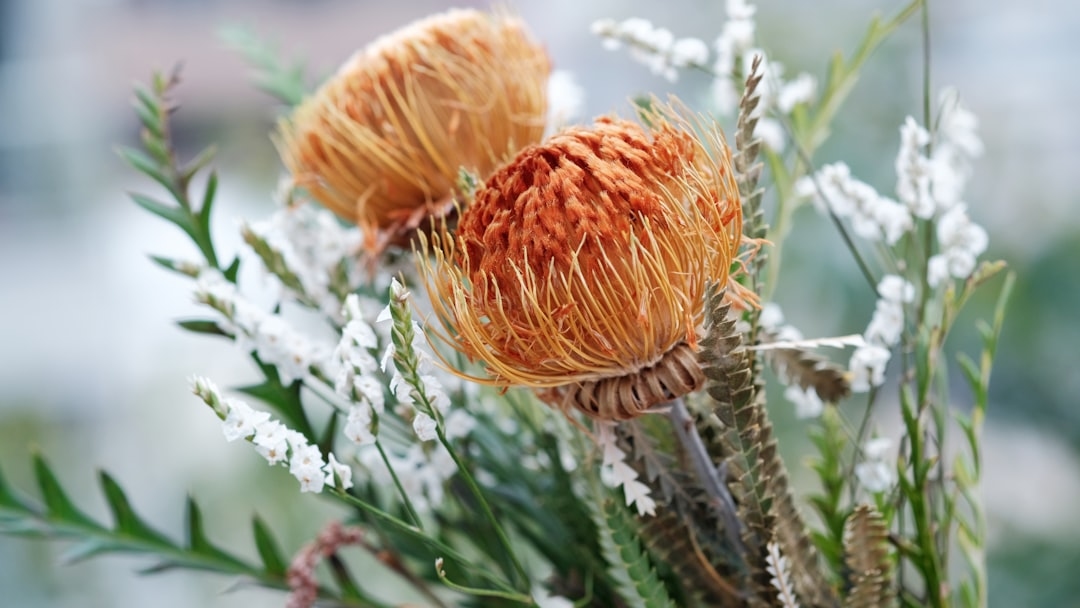
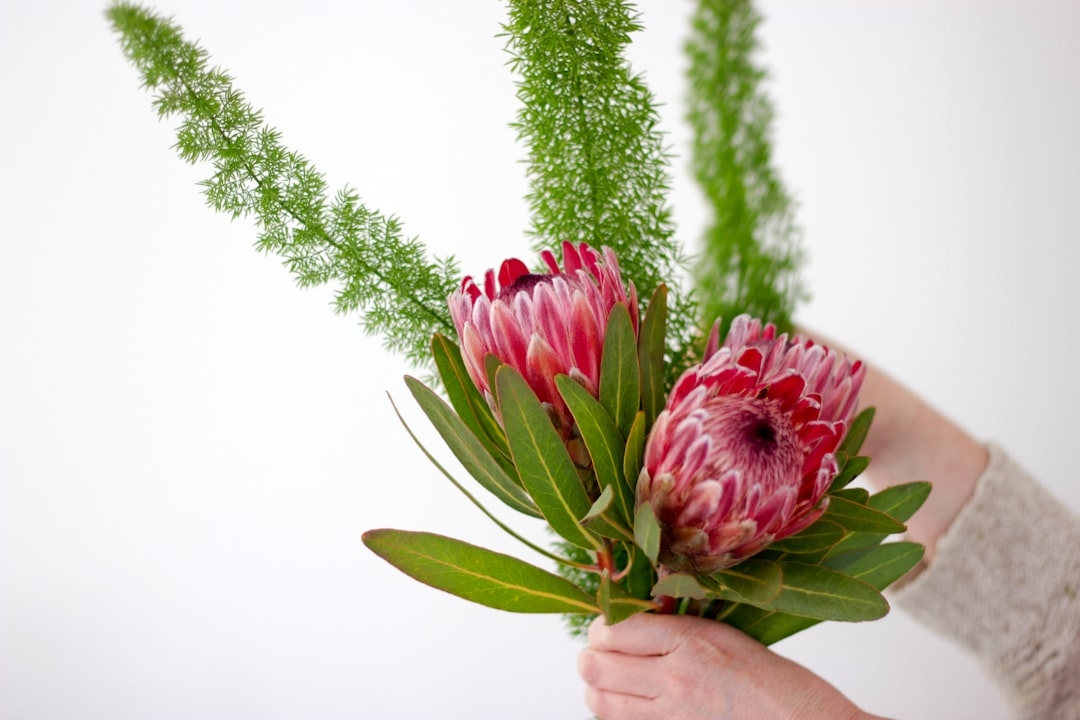
- Offer exotic species: Proteas from South Africa, orchids from Thailand, peonies from Holland.
- Ensure year-round supply: Ecuadorian roses in February, Dutch tulips in November.
- Meet precise specs: Big, uniform heads and long, straight stems, preferred for weddings and large events.
Hidden Costs
The journey of an imported rose is anything but romantic. Each flower is cooled, packed, flown (sometimes more than 3,000 miles), and trucked–a process that can take 5-8 days from field to vase. This results in:
- Major carbon emissions: Air transport of flowers contributes roughly 360,000 tons of CO₂ per year for Valentine’s Day alone (source: US Floral Logistics Institute, 2026).
- Heavy pesticide use: International flower farms often rely on chemicals banned in the US to preserve blooms during shipping.
Comparison Table: Native Wildflower Bouquets vs Imported Flowers
| Feature | Native Wildflower Bouquets | Imported Flower Bouquets |
|---|---|---|
| Availability | Seasonal, regional | Year-round, global |
| Environmental Impact | Low (locally grown) | High (air freight, pesticides) |
| Appearance | Loose, wild, unique | Formal, uniform, classic |
| Cost (Average, 2026) | $35-$60 per arrangement | $50-$90 per arrangement |
| Vase Life | 5-7 days (fresh cut) | 5-12 days (depends on species) |
| Supports Local Economy | Yes | Limited |
| Pollinator Friendly | Almost always | Rarely |
The US Flower Market in 2026: Shifting Trends
A Surge in Localism
Since the pandemic, American consumers are showing more interest in local and sustainable goods–including flowers. A 2026 survey by the National Gardening Association found that 62% of US flower buyers are willing to pay more for locally grown bouquets. Urban flower farms are cropping up in cities like Detroit, Seattle, and Philadelphia, offering subscription services like Field & Florist and Rooted Farmers.
The Rise of Slow Floristry
The “slow flowers” movement has gained steam, inspired by the farm-to-table ethos. Florists like Amy Carrington (certified Master Florist, Seattle) note that “customers are asking where flowers come from, just like they ask about food.” These buyers want flowers with a backstory–grown without chemicals, supporting local jobs, and picked yesterday, not last week.
Design: Wild vs. Classic
Texture & Color
Native wildflower bouquets tend to be textural–think feathery yarrow, spiky liatris, and delicate flax. Colors are often softer, with bursts of prairie gold, violet, and sky blue. These bouquets feel casual, effortless, and a little whimsical.
Imported bouquets are all about drama and symmetry. Tight roses, perfect peonies, and globe-shaped dahlias arranged in geometric spirals. These are showstoppers for galas and black-tie weddings.
Longevity & Scent
- Vase Life: Some imported flowers last longer, thanks to chemical preservatives, but many native wildflowers–when fresh-cut–hold up just as well.
- Fragrance: Native blooms often have a subtler, more complex scent compared to imported roses, which can be bred for size at the expense of aroma.
Environmental and Social Impact
Sustainability
Carbon Footprint: As noted above, local wildflowers require less energy to reach your table. The Columbia University Center for Urban Ecology estimates buying one locally grown bouquet saves around 6 pounds of CO₂ compared to an imported one.
Pesticides and Water: American-grown natives usually need less irrigation and fewer chemical treatments than non-native imports. Many imported arrangements, especially from Colombia and Ecuador, rely on heavy pesticide use to survive the long journey.
Supporting Communities
Buying native bouquets from a farmer’s market or local subscription service (like Blooms by the Box or UrbanStems’ “Local Flower” options) keeps dollars close. It supports regional growers and preserves flower-farming heritage. Imported blooms, by contrast, support large-scale agriculture abroad, where labor standards and wages sometimes lag behind US protections.
Pull-Quote
“When you give a native bouquet, you’re not just giving flowers–you’re giving a piece of your own backyard.”
– Rachel McKinney, Prairie Roots Florals
Cost, Value, and Buying Experience
Price Trends
In 2026, a hand-tied native wildflower bouquet at a US farmer’s market ranges from $25-$45, depending on size and region. Specialty florists may charge $60 or more for elaborate designs. Imported bouquets, especially for holidays like Valentine’s Day or Mother’s Day, often spike to $90 or more at mainstream retailers.
- Delivery: Most local florists and subscription services (e.g., The Bouqs Co., Farmgirl Flowers) offer next-day delivery within a region for an extra $10-$20.
- Availability: Imported stems are always on call, while native bouquets require a bit of timing and flexibility.
Buying Guide List
Tips for Choosing the Right Bouquet:
- Check the label or ask where the flowers were grown–US-grown or imported?
- Consider the occasion: big formal event or cozy backyard brunch?
- Ask about pesticide use, especially if you want flowers safe for pets and pollinators.
- Compare vase longevity–ask the florist what to expect.
- Support a local grower or farmer when possible.
Native Wildflower Bouquets vs Imported: Which Should You Choose?
It comes down to priorities. Native wildflowers make your table or event feel rooted in season and place. They’re better for the environment, support hometown florists, and often delight with subtle fragrance and wild beauty. Imported bouquets guarantee any flower, any time, with classic shapes ideal for traditional arrangements and big occasions.
For eco-conscious buyers or those craving a genuine sense of place, native wildflower bouquets are the clear favorite. For traditionalists or anyone with a specific flower in mind (like red roses in February), imported bouquets still rule the market.
FAQs
What is the main difference between native wildflower bouquets and imported floral arrangements?
Native wildflower bouquets use flowers grown locally in the US, reflecting regional and seasonal varieties. Imported arrangements include blooms grown overseas, offering wider variety and availability but often at a higher environmental cost due to shipping and chemicals.
Are native wildflowers more eco-friendly than imported flowers?
Yes. Native wildflowers require less transportation, use fewer pesticides, and support local ecosystems. Imported flowers are often flown thousands of miles and may be treated with chemicals to survive their journey.
How long do native wildflower bouquets last compared to imported bouquets?
Fresh-cut native wildflowers typically last 5-7 days in a vase. Some imported flowers, like roses or chrysanthemums, can last up to 12 days due to preservatives, but this varies by species.
Do native wildflower bouquets cost more than imported bouquets?
Not always. Prices overlap, but native bouquets may cost less at farmer’s markets or during peak blooming. Specialty native arrangements from florists can be pricier, but you’re supporting local growers and getting fresher blooms.
Can I order native wildflower bouquets for delivery?
In many US cities, yes. Services like Rooted Farmers and UrbanStems now offer native bouquets, especially during peak season (April-September). Check with local florists or farmer’s markets for regional options.
Ready to Choose Mindfully?
Next time you’re picking a bouquet–whether it’s for a birthday, an anniversary, or just to brighten the kitchen–ask about its roots. With more American florists and online services championing native wildflowers, there’s never been a better moment to give blooms that truly belong. Want to help your community bloom? Challenge yourself this year: try choosing local, native bouquets for all your small gatherings, and see who notices the difference. You might just start a new tradition.