Contents:
- What Is the Field & Florist Book? (Direct Answer)
- The Field & Florist Story: Roots in Midwest Soil
- What Sets the Book Apart from Other Flower Guides?
- Table: Field & Florist vs. Classic Floristry Books
- Personal, Seasonal, Sensory: The Heart of the Book
- Pull Quote
- Practical Tutorials, for Beginners and Pros
- The Ethics of Flowers: American Sourcing and Sustainability
- How Does It Actually Read? (A Book Lover’s View)
- Who Should Buy Field & Florist?
- FAQs about Field & Florist Book & Modern Floristry
- What’s the main focus of the Field & Florist book?
- Is Field & Florist’s approach suitable for beginners?
- Where can I buy the book in the US?
- Are the flowers easy to source if I’m not in the Midwest?
- How does Field & Florist support sustainability?
- Ready to Try a New Way with Flowers?
Field & Florist Book Reviewed: How a Chicago Duo Changed American Floristry
On a broiling July afternoon at Chicago’s Green City Market, you can spot home cooks jostling for heirloom tomatoes and chefs chatting over bunches of basil. But in 2024, a new type of booth began drawing lines: lush, winding bouquets wrapped in brown paper–wild, fragrant, and nothing like the stiff carnations of corner shop florists. These arrangements, by Field & Florist, caught the city’s imagination and started a conversation that’s been blooming ever since. Their book, Field & Florist: Seasonal Stories and Arrangements from an American Flower Farm, has become a touchstone for anyone enchanted by flowers or the artistry behind them.
What Is the Field & Florist Book? (Direct Answer)
Field & Florist: Seasonal Stories and Arrangements from an American Flower Farm is a visually rich, practical, and inspiring book published in 2024 by Heidi Joynt and Molly Kobelt, founders of Chicago’s Field & Florist. The book blends beautiful photography, step-by-step guides, and personal essays to showcase slow, seasonal flower farming and naturalistic floral design. It offers readers:
- Expert DIY tutorials for arrangements, installations, and bouquets.
- Profiles of American flower varieties, with seasonal availability charts.
- Behind-the-scenes glimpses into growing and sourcing sustainably.
- Thoughtful writing on the cultural and personal significance of flowers.
Available for around $35 through US retailers like Bookshop.org and independent flower shops, it’s widely considered essential reading for florists, flower lovers, and anyone exploring sustainable American floristry.
The Field & Florist Story: Roots in Midwest Soil
Heidi Joynt and Molly Kobelt didn’t set out to join the luxury flower industry. Their backgrounds–Heidi in herbal medicine, Molly in photography–primed them for a tactile, visual, and deeply grounded approach. Their 2013 start dovetailed with a broader “slow flower” movement in the US. According to the Association of Specialty Cut Flower Growers, between 2018 and 2025, the number of domestic flower farms in the US grew by 34%, reflecting surging interest in local, seasonal blooms.
“The closer you are to your flowers, the more you can coax out their character,” says Dr. Lila Grant, Horticultural Sciences Professor at UIC.
Field & Florist’s early days meant backbreaking dawns at rented farmland and hauling buckets into the city. But soon, their bouquets, often featuring lesser-known variegated tulips, sweet peas, foraged grasses, and wild Queen Anne’s lace, were being delivered by bike messengers from Lakeview to Logan Square.
What Sets the Book Apart from Other Flower Guides?
Let’s be honest–floristry books are everywhere, with dazzling covers and near-identical how-tos. What makes Field & Florist so different? Three things:
- Photos shot in real light, not studio polish: You see the arrangement in a field, on a workshop table, or clutched in muddy hands.
- An American calendar: Every project and flower profile is tied to actual Midwest growing seasons, with notes for other regions.
- Blend of artistry and usability: Step-by-step tutorials demystify mechanics (like the “spiral hand-tied” method or chicken-wire armatures), but the book also revels in whimsy–a bouquet made from windfallen branches wouldn’t be out of place.
Table: Field & Florist vs. Classic Floristry Books
| Feature | Field & Florist | Traditional Floristry Guides |
|---|---|---|
| Seasonal US flower focus | Yes | Rarely |
| Wild/natural design style | Always | Often formal/structured |
| DIY mechanics explained | Step-by-step, photos | Sometimes, often diagram-based |
| Personal essays/memoir | Woven throughout | Not common |
| Flower farming insights | Yes | Usually just buying tips |
Personal, Seasonal, Sensory: The Heart of the Book
At its core, Field & Florist is about seeing flowers not as decorations, but as storytellers and timekeepers. Arrangements mark the year’s passages as much as holidays do. A September centerpiece of rudbeckia and hydrangea smells like the end of summer. A March vase of hellebores and forced cherry branches is pure hope.
Joynt and Kobelt write about the way weather shifts arrangements. In the Midwest, a cold snap can end peony season overnight. The book’s “Seasonal Index” tracks more than 70 varieties–showing, for example:
- Ranunculus: April to mid-May
- Zinnias: July to frost
- Dahlias: September until first freeze
And they aren’t precious about perfection. “Brown-edged petals are just as beautiful as fresh ones,” the authors argue, “especially if they come from your own field.”
Pull Quote
“Flowers aren’t static. They’re fleeting. And the best arrangements always have a little wildness, a little imperfection.”
– Heidi Joynt & Molly Kobelt, Field & Florist
Practical Tutorials, for Beginners and Pros
One of the book’s standout features is its respect for newcomers–without talking down to pros. Each project includes:
- Clear ingredient lists (with American flower names)
- Step-by-step instructions (sometimes as quick as five steps)
- “Field Note” boxes with troubleshooting tips (e.g., droopy poppies? Sear the stem ends.)
Popular DIYs include:
- Farmstand bouquet for $15 or less (using only US-grown stems)
- Foraged winter wreath (no floral foam, all compostable)
- Elevated centerpiece for a home dinner party
According to Molly Nielson, a Portland-based florist and 2025 Slow Flowers Summit speaker, “Field & Florist’s tutorials actually work outside the Midwest. I adapted their methods for the Pacific Northwest and cut down my supply costs by 20%.”
The Ethics of Flowers: American Sourcing and Sustainability
Imported flowers still make up about 80% of all US floristry sales in 2026, with Colombia and Ecuador as top exporters (USDA, 2025). Cheaper stems come at a hidden cost: carbon-intensive shipping, heavy pesticide use, and labor concerns.
Field & Florist doesn’t shame, but gently nudges readers to seek out American-grown options. The book includes:
- A list of US flower farms (with websites and seasonal pickup/delivery notes)
- Tips on buying from farmers markets or local florists who specialize in domestics, like Farmgirl Flowers (San Francisco), The Bouqs Co. (national), and Urban Stems (D.C.).
- Guides to “starting your own cutting patch,” even in a city lot, with realistic yield expectations.
Joynt and Kobelt also tackle tough topics: whether to use floral foam, the ethics of foraging, and how to compost spent blooms.
How Does It Actually Read? (A Book Lover’s View)
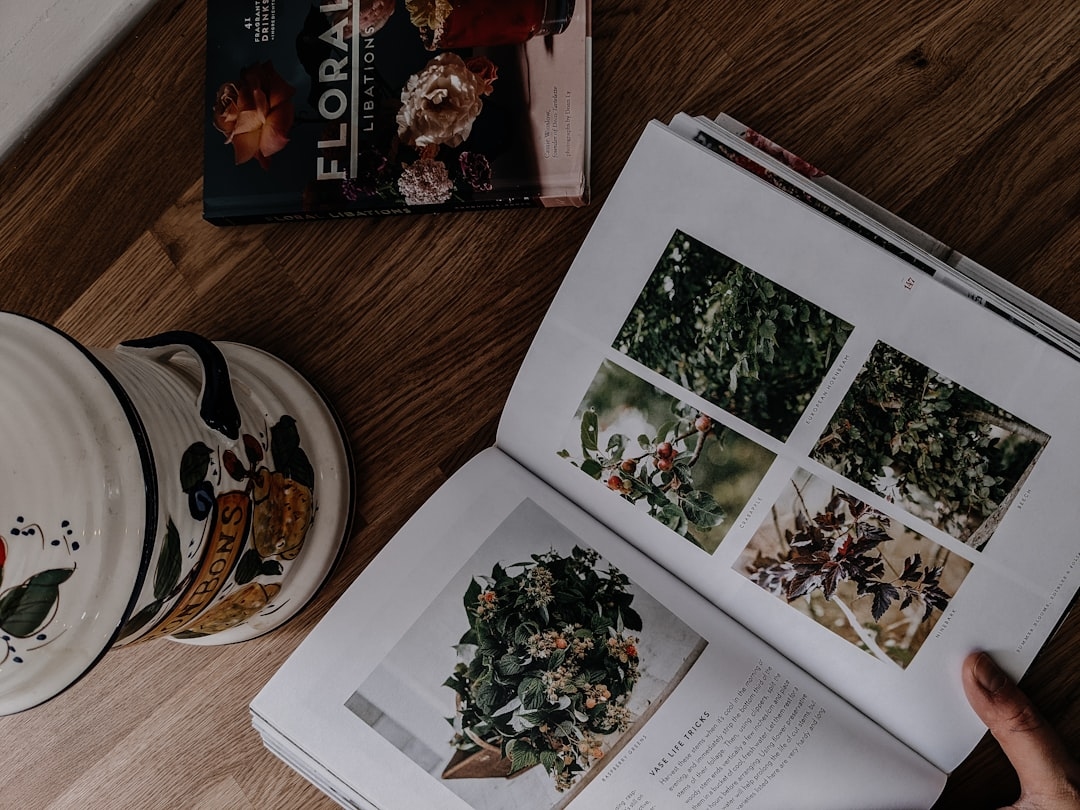
Some flower books are all gloss, no substance. Field & Florist mixes dreamy macro shots with crisp, almost scientific, breakdowns. The layout favors large margins, making it a pleasure to jot in the margins or leave open on a worktable.
A few critics on Goodreads (4.8 stars, 1200+ reviews as of spring 2026) wish for more urban-specific advice, but most readers call it “the most usable floral book in years.” The language is approachable. You’ll find quotes from Mary Oliver, notes on soil pH, and even snippets about Chicago’s lake-effect weather.
For anyone unsure if this is for them: if you’ve ever stood in a grocery floral aisle, disappointed by limp roses, this book will make you see what’s possible.
Who Should Buy Field & Florist?
The book is designed for a wide swath of flower lovers:
- Professional florists craving inspiration or new mechanics
- Hobbyists ready to branch out from supermarket blooms
- Urban gardeners with a sunny windowsill
- Couples planning a sustainable wedding
- Gift-givers looking for something beyond a bouquet
If you care about the origin and artistry of your flowers, it’s a worthwhile investment. And, unlike that $125 rose arrangement, it lasts forever.
FAQs about Field & Florist Book & Modern Floristry
What’s the main focus of the Field & Florist book?
The main focus is blending mindful, seasonal cut flower farming with creative arrangement techniques, tailored for the American climate and flower market.
Is Field & Florist’s approach suitable for beginners?
Yes. The tutorials are clear, each arrangement includes beginner-friendly tips, and there’s a glossary for unfamiliar terms.
Where can I buy the book in the US?
You can purchase it through Bookshop.org, Amazon, select US flower shops, and Field & Florist’s own website. The typical price is $32-38 USD.
Are the flowers easy to source if I’m not in the Midwest?
Most projects use flowers available at US farmers markets or florists nationwide. The book provides substitutions for different regions and climates.
How does Field & Florist support sustainability?
They promote domestic flower sourcing, foam-free mechanics, foraged and compostable materials, and provide resources to connect with American growers.
Ready to Try a New Way with Flowers?
You don’t need an acre of prairie to bring the Field & Florist mindset into your daily life. The next time you spot local sunflowers at the farmers market–or even clover in a city park–pause. What could you make of them? With Field & Florist as a guide, you might discover that floristry is less about rules and more about attention, presence, and wild, imperfect beauty.
Start small. Arrange a handful of what’s in season, snap a photo, and note how it changes the feel of your home. Flowers, after all, are time made visible. And Field & Florist teaches how to witness–and celebrate–that fleeting magic, one arrangement at a time.