Contents:
- Quick Answer: Just How Many Gerbera Daisy Varieties Are There?
- The Origins: Wild Gerbera Species and Early Breeding
- Milestones in Gerbera Breeding
- Varieties of Gerbera Daisies: Types and Classifications
- Flower Size
- Petal Structure
- Color Palette
- Stalk Length
- Registered Cultivars vs. Garden Center Mixes
- What Counts as a True Variety?
- How US Florists Use Gerbera Daisy Varieties
- Favorite Uses
- Best-Selling US Varieties in 2026
- Factors Driving New Gerbera Varieties Each Year
- What’s New in 2026?
- Pull-Quote
- Frequently Asked Questions
- How many varieties of Gerbera daisies are there?
- What is the difference between a Gerbera species and a Gerbera cultivar?
- Are all gerbera daisies grown for cut flowers?
- Which colors of Gerbera daisy are most popular in the US?
- Where can I buy unique Gerbera varieties in the US?
- Looking Forward: Finding the Perfect Gerbera Daisy for You
How Many Varieties of Gerbera Daisies Actually Exist?
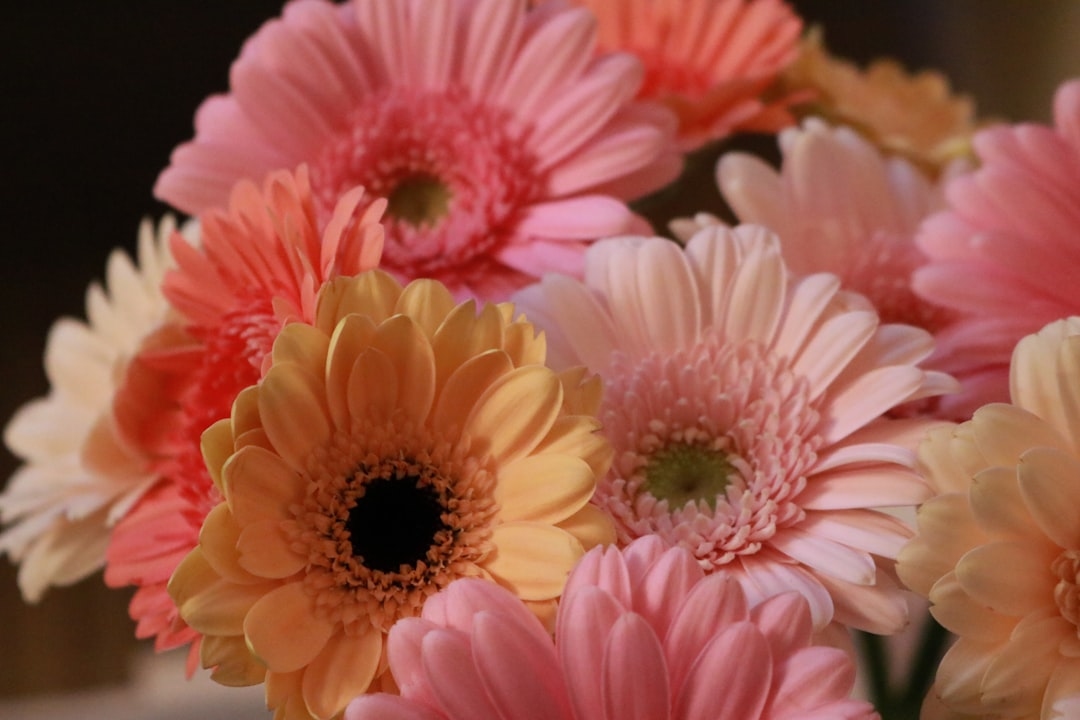
Imagine walking into a flower shop and being greeted by a wall of Gerbera daisies–pinks so fluorescent they rival a summer sunrise, fiery oranges, icy whites, some so large you want to use them for a hat, others delicate enough for a fairy’s table. That’s the magic of Gerbera jamesonii and its surprisingly vast family tree. The sheer range of forms and colors isn’t just eye candy; it’s the result of decades of global horticultural effort, especially evident in American florists’ coolers coast to coast.
Let’s break down how many types of Gerbera daisies exist, what makes them so endlessly variable, and which varieties capture the hearts (and vases) of US flower lovers in 2026.
Quick Answer: Just How Many Gerbera Daisy Varieties Are There?
Florists and botanists estimate that over 1,000 distinct varieties of Gerbera daisies exist worldwide as of 2026. This figure includes both officially registered cultivars (recognized by organizations like the Royal Horticultural Society and American Society for Horticultural Science) and specialty varieties bred for color, petal shape, and flower size.
- Botanical species: ~30 (true wild species)
- Named cultivars/hybrids: 1,000+ (and counting)
- Common types in the US market: 60-100 are widely available through major wholesalers like Florabundance and FiftyFlowers.
You’ll find the most diversity in specialized floristry catalogs, but your local shop likely stocks about a dozen mainstay varieties in popular colors.
The Origins: Wild Gerbera Species and Early Breeding
Gerbera daisies hail from South Africa, Madagascar, and Asia, where nearly 30 wild species thrive in grasslands and rocky slopes. But the daisy that took over the world? That’s primarily Gerbera jamesonii, cross-bred with Gerbera viridifolia to produce today’s hybrids.
Milestones in Gerbera Breeding
- 1880s: Robert Jameson discovers G. jamesonii in Transvaal, South Africa.
- Early 1900s: Dutch breeders begin creating hybrids for richer colors.
- 1980s-2000s: The Netherlands, the US, and Japan lead a surge in color/size diversity; advances in tissue culture explode the number of available cultivars.
According to Dr. Melanie Russo, PhD in Plant Breeding at UC Davis, “Gerbera is now among the top five global cut flowers, rivaling roses and lilies in breeding intensity and commercial importance.”
Varieties of Gerbera Daisies: Types and Classifications
The rainbow spectrum is only one way to categorize Gerberas. Florists organize them by:
1. Flower Size
| Category | Average Flower Diameter | Example Varieties |
|---|---|---|
| Standard (Large) | 4-5 inches | ‘Samantha’, ‘Coral Reef’ |
| Mini (Mini Gerberas) | 2-3 inches | ‘Mini Pink’, ‘Pastel Joy’ |
| Micro | 1-2 inches | Niche, wedding bouquets |
2. Petal Structure
- Single: One or two rows of petals, visible center. E.g., ‘Festival’, ‘Revolution’.
- Double: Multiple petal layers, fluffy look. E.g., ‘Kimsey’, ‘Everton’.
- Crested: Inner petals form a collar around the center. E.g., ‘Crested Double Mix’.
- Spider: Long, thin petals for a dramatic look. E.g., ‘Spider Red’.
“Much of the modern diversity comes from the Dutch and American breeders pushing boundaries on petal form and disease resistance.”
– Maria Gomez, Senior Floriculture Manager, Mayesh Wholesale (2026)
3. Color Palette
Gerberas come in every color except blue and true green. The American Florist Review (March 2026) reports that US consumers’ top picks are saturated hot pinks (like ‘Sweet Pink’), vibrant oranges (‘Samba’), and creamy yellows (‘Ivory’).
4. Stalk Length
- Long-stem (12-18 inches): Preferred for arrangements.
- Short-stem (6-8 inches): Used in small bouquets, bridal work.
Registered Cultivars vs. Garden Center Mixes
It’s easy to get lost between “named variety” and what your garden center sells in six-packs.
What Counts as a True Variety?
- Registered Cultivar: Officially named, published, and maintained by breeders; consistent appearance.
- Commercial Mixes: “Gerbera Daisy Mix” may contain unnamed seedlings bred for novelty or garden vigor.
- Proprietary Hybrids: Companies like Ball Horticultural and Syngenta regularly release new, trademarked gerberas. In 2026, Ball lists 85 commercial varieties available for wholesale floral supply.
| Source | Approx. No. of Varieties Sold in the US (2026) |
|---|---|
| Ball Horticultural | 85 |
| Syngenta Flowers | 40 |
| Local Nurseries | 15-30 |
| Big Box Retailers | 8-12 (rotating seasonal selection) |
How US Florists Use Gerbera Daisy Varieties
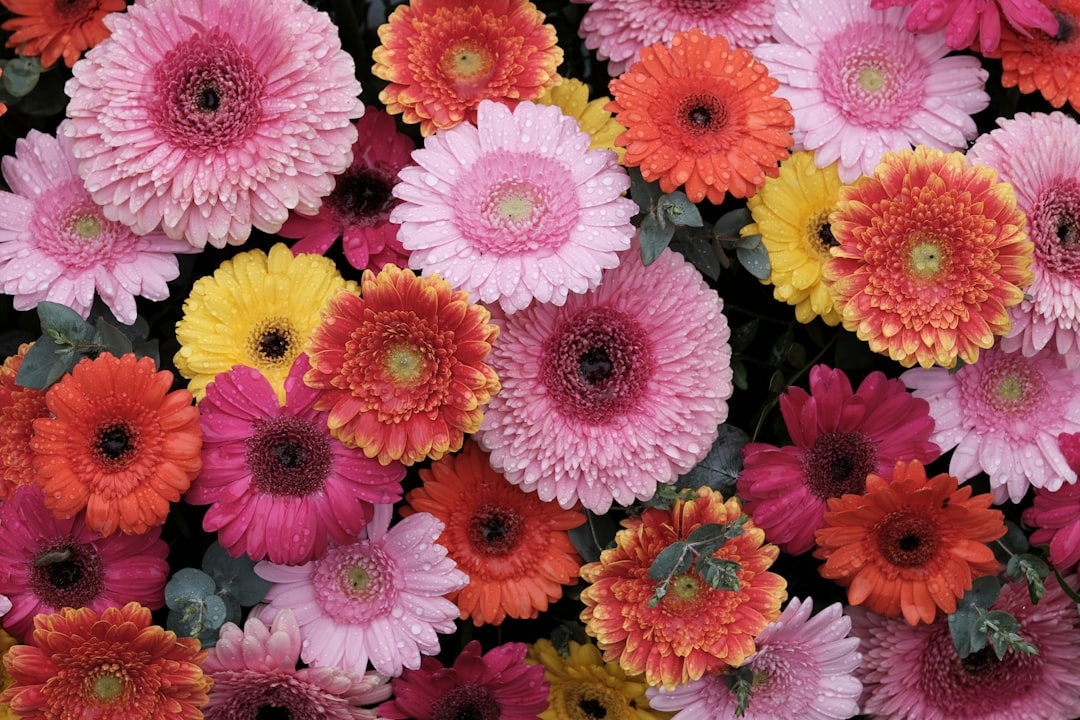
American florists value gerberas for their vivid color, long vase life (7-14 days with proper care), and allergy-friendly (pollen minimal) blooms. In 2026, Gerbera daisies hold their place as the #3 most-sold cut flower in the US, just behind roses and carnations, according to the Society of American Florists.
Favorite Uses
- Bouquets: Bright color pops, children’s arrangements, hospital gifts.
- Weddings: Mini and micro varieties for boutonnieres and bridal work.
- Corporate Events: Large, bold colors for modern arrangements.
Best-Selling US Varieties in 2026
- ‘Sweet Pink’ (hot pink, large)
- ‘Samba’ (orange, robust, long stem)
- ‘Kimsey’ (creamy white, double petal)
- ‘Festival Mix’ (multiple colors, standard size)
- ‘Spider Red’ (unique texture, red)
Factors Driving New Gerbera Varieties Each Year
Every year, breeders introduce about 30-50 new gerbera cultivars globally, chasing trends in color, stem strength, disease resistance, and novelty shapes.
What’s New in 2026?
- Fragrance: A handful of scented hybrids, bred in California, are gaining traction.
- Bi-color petals: Think pink-yellow blends, striped forms.
- Improved shelf-life: Some new gerberas now last up to 16 days in water with proper flower food.
“Demand for unique petals–like spider types or high-contrast bi-colors–is higher than ever. Florists want something Instagrammable.”
– Tasha Reynolds, Owner, Bloom & Vine Florals, Boston
Pull-Quote
“There’s a Gerbera for every palette, from sun-baked neon to whisper-soft pastels. The only limit is the breeder’s imagination.”
– Dr. Melanie Russo, UC Davis
Frequently Asked Questions
How many varieties of Gerbera daisies are there?
There are over 1,000 registered varieties (cultivars) of Gerbera daisies worldwide as of 2026, along with roughly 30 recognized wild species. In the US, 60-100 varieties are routinely available through professional floristry channels.
What is the difference between a Gerbera species and a Gerbera cultivar?
A Gerbera species is a naturally occurring plant found in the wild (such as Gerbera jamesonii). A cultivar is a cultivated variety bred for specific features like color, size, or petal shape, often registered and named for the commercial market.
Are all gerbera daisies grown for cut flowers?
No, some varieties are bred for outdoor gardens or containers, focusing on garden performance and disease resistance. Others are bred specifically for long stems, sturdy flowers, and bold looks ideal for floral arrangements.
Which colors of Gerbera daisy are most popular in the US?
In 2026, the most popular Gerbera daisy colors in the US are hot pink, orange, creamy white, and bright yellow, with new bi-color and funky spider-petal varieties gaining popularity for events and Instagrammable bouquets.
Where can I buy unique Gerbera varieties in the US?
Specialty varieties can be ordered through major flower wholesalers (Florabundance, Mayesh, FiftyFlowers) or garden centers with robust perennial programs. Some US online retailers (e.g., Breck’s, American Meadows) offer delivery of unique potted Gerberas.
Looking Forward: Finding the Perfect Gerbera Daisy for You
The number of Gerbera daisy varieties is only rising–every season, new textures and colors arrive in US flower shops. So whether you’re looking to wow with a sunset-hued bouquet or add a punch of color to your front porch, ask your local florist about the latest cultivars. You just might discover a new favorite in next week’s delivery. Check out American specialty floral retailers, and don’t hesitate to ask about pre-ordering rare varieties–especially for weddings and milestone events. Gerbera diversity is a playground, and 2026 is a banner year for exploring its possibilities.