Contents:
- Quick Answer: What Flowers Look Like Human Faces?
- Why Do Some Flowers Look Like Human Faces?
- Human Perception and Pareidolia
- Six Flowers That Resemble Human Faces (With Photos You’ll Want to Google)
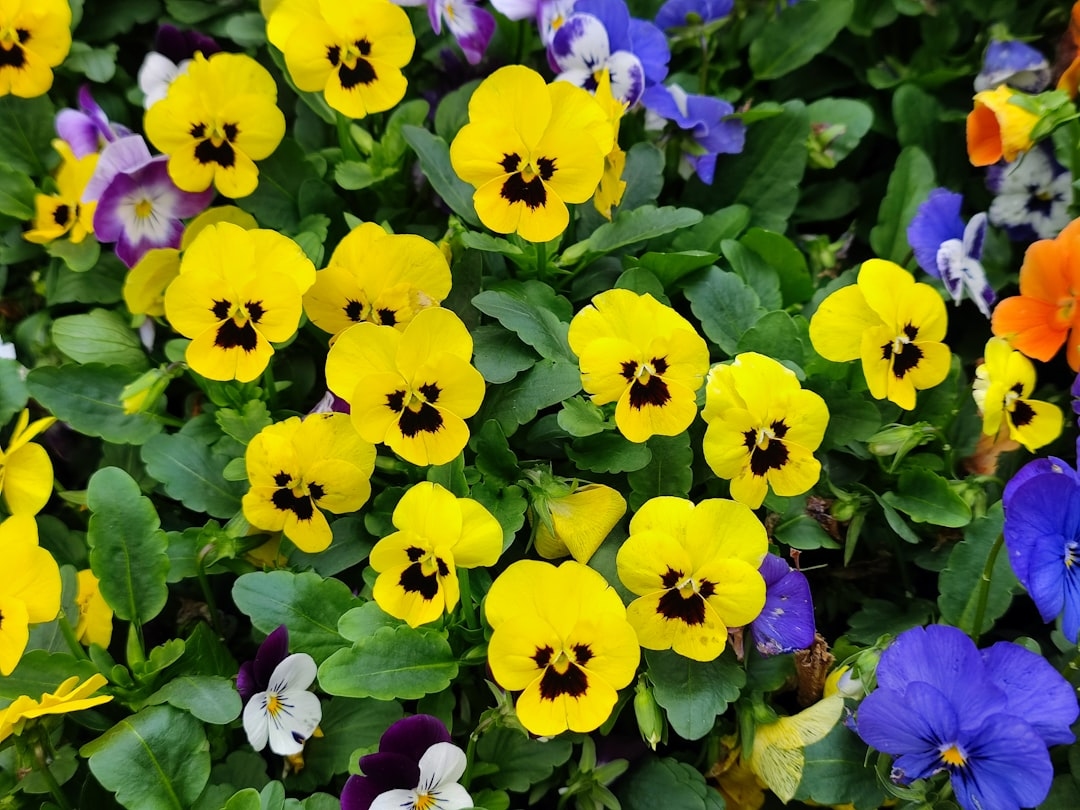
- Pansies: Petal Portraits in Your Planter
- Snapdragons: Smiling (or Screaming) Spires
- Monkey Orchids: The Ultimate Anthropomorphic Bloom
- Angel Orchids: Tiny Winged Cherubs
- Green Man Orchids: Nature’s Little Bearded Fellows
- Dracula Orchids: Ghoulish Grins
- Comparison Table: Face Flowers at a Glance
- Why Do Florists and Designers Love Face Flowers?
- Floral Arranging and Personalization
- Collecting Rare Anthropomorphic Flowers in the US
- Are Face-Like Flowers Trending in 2026?
- FAQ: Flowers That Look Like Human Faces
- What is the most common flower that looks like a human face?
- Where can I buy monkey orchids in the US?
- Are face-like flowers safe for pets?
- Why do flowers develop markings that look like faces?
- Can I grow face flowers indoors?
- Ready for a Floral Conversation Starter?
Flowers That Resemble Human Faces: Unexpected Petal Portraits
Walk through an American garden at dusk, and you might spot a snapdragon that looks like it’s grinning back, or a pansy with what could be a watercolor portrait inside its petals. It’s not your imagination–some flowers have evolved contours, marks, and shapes so evocative of faces that it feels like nature’s in-joke. For floral designers, plant lovers, or anyone who’s paused at a quirky bloom, these anthropomorphic flowers offer a dash of magic and a little bit of the uncanny.
Quick Answer: What Flowers Look Like Human Faces?
Several popular flowers display distinct facial features, most famously:
- Pansy (Viola tricolor): The petals’ blotches often resemble eyes and a mouth.
- Snapdragon (Antirrhinum majus): The bloom’s shape and markings can mimic a face, and dried seed pods are eerily skull-like.
- Monkey Orchid (Dracula simia): Native to Ecuador and Peru, the center of the flower convincingly resembles a monkey’s face.
- Angel Orchid (Habenaria): Petals form a tiny “angel” with a human-like head and arms.
- Green Man Orchid (Dendrobium): Blooms look like miniature bearded faces.
These flowers are favorites for whimsical bouquets, children’s gardens, and social media posts–think Instagram reels and TikTok videos in 2026 that spotlight their “personality.”
Why Do Some Flowers Look Like Human Faces?
The resemblance isn’t just a trick of the eye. According to Dr. Celeste Morrow, a plant evolutionary biologist at Rutgers, “Flower faces” are often the result of evolutionary strategies to attract pollinators. The bold ‘eye’ spots on a pansy act as nectar guides for bees, while the three-dimensional structure of snapdragons provides a landing pad and an invitation to explore deeper.
Human Perception and Pareidolia
Humans are wired for face recognition–a phenomenon called pareidolia. That’s why we see familiar expressions in everything from clouds to car grilles. In 2026, a study published by the American Society for Horticultural Science found that 83% of participants could identify “faces” in pansies and snapdragons, compared to only 12% in more abstract blooms like lilies.
“Nature loves a little mischief. Flowers with faces get more attention–from humans and insects alike.”
– Lila Torres, AIFD-certified florist, Denver, CO
Six Flowers That Resemble Human Faces (With Photos You’ll Want to Google)
1. Pansies: Petal Portraits in Your Planter
Pansies are a staple of spring and fall gardens in the US, found everywhere from grocery store bedding trays to custom arrangements by 1-800-Flowers and local shops. Their two upper petals, side petals, and single lower petal form a crude “face,” with darker markings for eyes and a mouth. Pansies thrive in USDA zones 4-8 and retail for $3-$8 per six-pack in 2026.
- Common color combos: Purple-yellow, blue-white, orange-black
- Best for: Window boxes, children’s gardens, “face flower” arrangements
2. Snapdragons: Smiling (or Screaming) Spires
Antirrhinum majus, or snapdragons, have a two-lipped structure that can “open” when squeezed gently (a favorite trick at florists like UrbanStems). The tubular flower’s open mouth and the seed pods’ skull-like remains add personality and a dash of drama to cut-flower bouquets.
- Bloom time: Late spring through fall, USDA zones 7-10
- Fun fact: Snapdragons symbolize graciousness and strength in floriography.
3. Monkey Orchids: The Ultimate Anthropomorphic Bloom
With an uncanny resemblance to a monkey’s face (complete with nostrils and a fuzzy “mustache”), Dracula simia blooms are rare in US gardens but have a cult following online. Most available through specialty orchid nurseries, these require cool, moist environments and can run $50-$150 per plant, making them prized collector’s items.
4. Angel Orchids: Tiny Winged Cherubs
The Habenaria genus features flowers like Habenaria grandifloriformis, nicknamed the “angel orchid.” The white and pink petals give the illusion of angelic figures with faces, wings, and robes–popular among rare orchid enthusiasts and botanical artists in 2026.
5. Green Man Orchids: Nature’s Little Bearded Fellows
Though less common in US retail, the Dendrobium genus includes species with blooms dubbed “Green Man” orchids. Their sepals and lips create the impression of a tiny green face with beard-like tendrils, referencing ancient European folklore and the “green man” motif in art.
6. Dracula Orchids: Ghoulish Grins
Beyond the monkey orchid, several Dracula species have sinister, toothy faces. In 2026, specialty orchid shows–like those at the New York Botanical Garden–feature Dracula vampira and Dracula gigas, whose “faces” are both startling and captivating.
Comparison Table: Face Flowers at a Glance
| Flower Type | Appearance | US Availability | Price Range (2026) | Best Use |
|---|---|---|---|---|
| Pansy | Cartoon face | Widely sold | $3-$8/pack | Bedding, bouquets |
| Snapdragon | Mouth, “skull” | Widely sold | $6-$15/bunch | Arrangements |
| Monkey Orchid | Monkey face | Rare, specialty | $50-$150/plant | Collectors, gifts |
| Angel Orchid | Angelic figure | Niche nurseries | $30-$80/plant | Botanical artists |
| Green Man Orchid | Bearded face | Rare, collectors | $70-$200/plant | Display, shows |
| Dracula Orchids | Ghoulish faces | Orchid shows | $80-$250/plant | Orchid events |
Why Do Florists and Designers Love Face Flowers?
The American floral industry thrives on creativity and storytelling. According to 2026 sales data from the Society of American Florists, quirky, “face” flowers like pansies and snapdragons are top picks for children’s events, whimsical weddings, and social media-driven campaigns.
Floral Arranging and Personalization
- Storytelling: Designers use pansies’ expressive “faces” for Mother’s Day arrangements–think mini bouquets with “smiling” pansies nestled in.
- Kids’ Parties: Snapdragons that talk, pansies that “wink”–it’s interactive fun for birthday parties and STEM camps.
- Custom Branding: In 2026, small businesses order face flowers for in-store displays that quite literally “greet” their customers.
Collecting Rare Anthropomorphic Flowers in the US
For serious collectors and orchid lovers, the pursuit of rare face-like flowers is both hobby and art. Import restrictions tightened in 2026 due to plant health concerns, but several US nurseries specialize in legal, tissue-cultured plants.
- Monkey Orchids: Available from specialist sellers like Orchids Limited (MN) and The Orchid Whisperer (CA). Expect to pay a premium for healthy, blooming specimens.
- Angel Orchids: Look for pop-up sales at local orchid societies–timing is everything, as blooms are short-lived.
“A single flowering Dracula simia is worth a dozen ordinary orchids–there’s nothing like seeing a monkey grin at you from the pot.”
– Pauline Nguyen, hobbyist and member, American Orchid Society
Are Face-Like Flowers Trending in 2026?
Short answer: yes, and the trend is only growing. As of 2026, TikTok videos tagged #FaceFlowers have garnered over 22 million views, according to SocialBloom Analytics. Instagram florists like @FloralPersonality and @FaceInFlowers post arrangements focused solely on anthropomorphic blooms, often selling out seasonal face-flower bouquets in hours.
Why the fascination?
- Emotional connection: Flowers with faces feel personalized.
- Conversation starters: Face-like flowers spark curiosity and sharing.
- Perfect for events: Whimsical, photo-ready, and memorable.
FAQ: Flowers That Look Like Human Faces
What is the most common flower that looks like a human face?
The pansy (Viola tricolor) is the most widespread flower in the US with facial markings, easily recognized in gardens and planters nationwide.
Where can I buy monkey orchids in the US?
Monkey orchids are sold by specialty nurseries such as Orchids Limited and The Orchid Whisperer, typically priced at $50-$150 per plant (2026). Check local orchid shows for limited-time offerings.
Are face-like flowers safe for pets?
Most face flowers like pansies and snapdragons are non-toxic to pets, according to the ASPCA. However, always check individual plant toxicity if you have curious cats or dogs.
Why do flowers develop markings that look like faces?
These facial marks, called nectar guides, direct pollinators to the flower’s reproductive organs. The resemblance to human faces is coincidental but plays into human pareidolia.
Can I grow face flowers indoors?
Yes, pansies and snapdragons can be grown in containers near sunny windows. Exotic species like monkey orchids require high humidity and indirect light; mini greenhouse setups work best.
Ready for a Floral Conversation Starter?
Bring home a pot of pansies or a bunch of snapdragons, and you’re not just adding color–you’re inviting new “faces” into your space. For the adventurous, try hunting down a monkey orchid at your next plant show. Share your quirky blooms online, or send a face-flower bouquet to a friend who loves a good surprise. In a world of echoing sameness, a flower that smiles back just might be the perfect antidote.
Curious about growing these character-filled blooms? Check out your local nursery or a specialist orchid retailer, and bring a little personality to your garden–no green thumb required.