Contents:
- Why Rose Bouquet Trends Are Shifting So Fast in 2026
- Trend 1: Monochromatic and Tonal Palettes
- Trend 2: Garden-Style Looseness Over Formal Structure
- Trend 3: Sustainable and Locally Sourced Roses
- Trend 4: Micro Bouquets and Single-Variety Arrangements
- Trend 5: Unexpected Color Moves — Terracotta, Rust, and Warm Neutrals
- Quick Cost Breakdown: What Rose Bouquets Cost in 2026
- Seasonal Timeline: When to Buy Which Trends
- When These Trends Apply — and When They Don’t
- Frequently Asked Questions
- What rose color is most popular in 2026?
- Are Garden Roses worth the extra cost?
- How far in advance should I order a trend-forward bouquet?
- Can I request a specific trend style from a standard online florist?
- Do rose bouquet trends vary by region in the US?
- Where the Rose Bouquet Is Headed Next
The rose bouquet you ordered three years ago looks dated today — and the florists who haven’t updated their offerings know it. In 2026, a new generation of buyers is reshaping what a “classic” rose arrangement actually means, pushing beyond the standard red dozen into territory that feels more personal, more intentional, and yes, more Instagrammable. Whether you’re buying flowers for a wedding, a birthday, or just a Tuesday that deserves something beautiful, knowing which trends are dominating right now means you get more impact for your money.
The short answer: the biggest rose bouquet trends in 2026 center on tonal color palettes, mixed-texture arrangements, sustainable sourcing, and a shift toward smaller, more curated designs. These aren’t passing fads — they reflect deeper changes in how people relate to flowers and what they want floral gifts to communicate.
Why Rose Bouquet Trends Are Shifting So Fast in 2026
Three forces are driving change simultaneously. First, social media — particularly short-form video — has accelerated the visual refresh cycle. A style that felt fresh in 2023 can look exhausted by 2025. Second, buyers across all age groups are now more educated about flowers than at any point in the last 50 years; they know variety names, they request specific stem counts, and they ask about origin. Third, supply chains have expanded: varieties that were once available only to commercial designers are now accessible to retail customers ordering online.
The result is a market where the flower bouquet of roses has become a highly customizable, trend-responsive product rather than a static gift category.
Trend 1: Monochromatic and Tonal Palettes
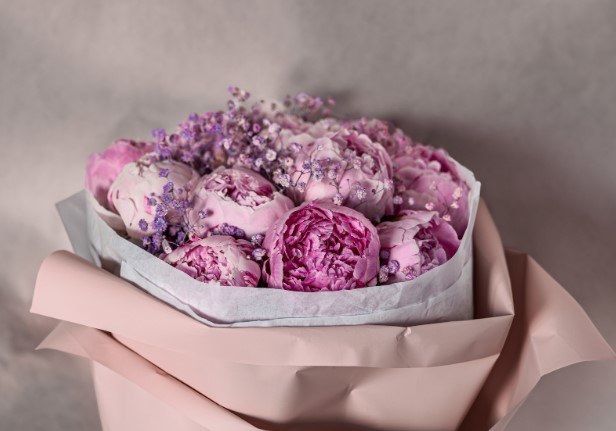
The era of wildly mixed colors is giving way to bouquets built around a single hue in multiple shades. Think blush-to-deep-mauve, cream-to-champagne, or coral-to-terracotta. These tonal arrangements photograph beautifully and feel more considered than a random multicolor mix. They also pair well with neutral wrapping — kraft paper, linen ribbon — which has become the default aesthetic in upscale floral retail.
For buyers, this trend means being specific when you order. Instead of saying “pink roses,” tell your florist or online shop “blush and dusty rose, nothing hot pink.” That single instruction transforms a generic order into something that looks deliberate.
Trend 2: Garden-Style Looseness Over Formal Structure
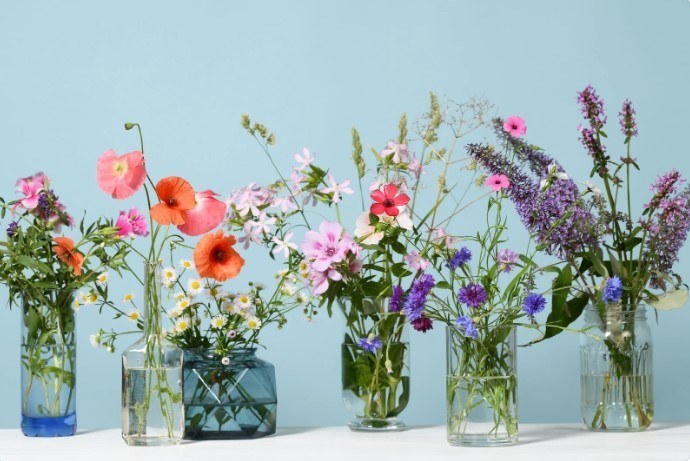
The tight, dome-shaped bouquet with uniform stem lengths — the kind that was everywhere in hotel lobbies for two decades — is being replaced by garden-style arrangements that have movement, asymmetry, and texture variety. Roses are paired with trailing greenery, feathery grasses, or ranunculus. Stems aren’t all the same height. The overall effect looks like it was gathered from a very beautiful private garden rather than assembled in a factory.
“Clients used to want everything perfectly symmetrical,” says Renata Voss, a certified floral designer with 18 years of experience and a studio based in Austin, Texas. “Now they specifically ask for something that looks like it has personality. They want the bouquet to feel alive, not engineered.”
Trend 3: Sustainable and Locally Sourced Roses
This trend has been building for years and has fully arrived in 2026. Buyers — especially those in the 25–45 demographic — actively ask about where roses come from. Domestic growers in California, Oregon, and Colorado have seen increased demand. “American-grown” and “sustainably farmed” have become genuine marketing differentiators, not just nice-to-have footnotes.
The practical implication: local and seasonal roses may come in a narrower range of colors and varieties depending on the time of year, but they’re often fresher (shorter supply chain = less time in cold storage), and buyers feel better about the purchase. mypeonika.com is one example of a retailer that emphasizes quality-forward sourcing as a core part of its identity.
Trend 4: Micro Bouquets and Single-Variety Arrangements
Not every rose moment calls for three dozen stems. The micro bouquet — typically 6 to 12 roses, tightly arranged with minimal filler — has become a major category in 2026. These arrangements are popular as hostess gifts, desk flowers, and “just because” gestures that don’t feel over-the-top. They’re also significantly more budget-friendly, which matters in the current economy.
Single-variety bouquets are a related shift. Instead of mixing rose types, buyers choose one variety — say, all Garden Roses, or all Spray Roses — and let the natural variation within that variety create visual interest. The effect is sophisticated without being fussy.
Trend 5: Unexpected Color Moves — Terracotta, Rust, and Warm Neutrals
Red and pink aren’t going anywhere, but the colors stealing attention in 2026 are earthy and warm: terracotta, burnt orange, caramel, dusty sage (used as filler or accent), and off-white. These tones feel modern, pair well with current interior aesthetics, and photograph beautifully in natural light. Cafes and event planners have adopted them heavily, and retail buyers are following.
If you haven’t considered a terracotta rose bouquet before, 2026 is the year to try it. The varieties are more widely available than ever, and the visual payoff is significant.
Quick Cost Breakdown: What Rose Bouquets Cost in 2026
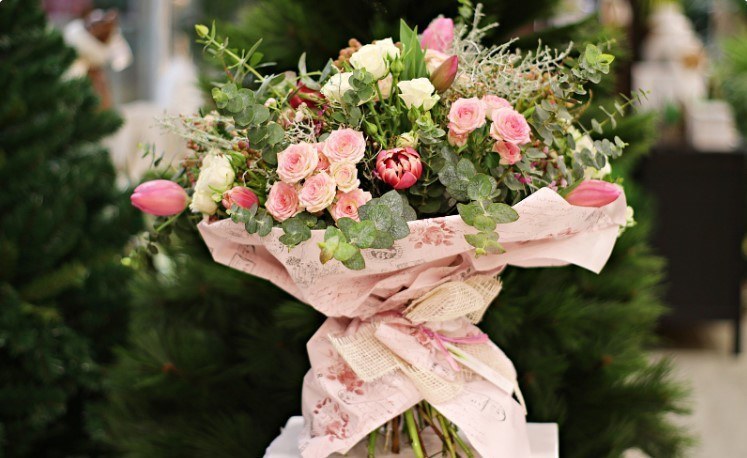
Prices have stabilized somewhat after the volatility of earlier years, but expect the following ranges for retail purchases in the United States:
- Micro bouquet (6–12 stems): $25–$55, depending on variety and wrapping
- Standard bouquet (18–24 stems): $60–$110 for garden-style; $45–$80 for more traditional arrangements
- Premium / designer bouquet (24–36+ stems, rare varieties): $120–$250+
- Wedding-scale or event arrangements: Quoted separately; expect $75–$200+ per centerpiece depending on size and variety
Garden Roses and David Austin varieties command a premium — typically 20–35% more than standard hybrid tea roses — because of their bloom size, petal count, and fragrance. Locally grown roses may cost slightly more than imported, but the freshness and shelf life often compensate.
Seasonal Timeline: When to Buy Which Trends
Not all trends are available year-round. Here’s a rough seasonal guide for 2026:
- Winter (January–February): Classic reds and whites dominate Valentine’s supply chains. For trendy alternatives, order early — 2–3 weeks in advance — to get unusual colors before stock sells out.
- Spring (March–May): Peak season for Garden Roses, blush palettes, and garden-style loose bouquets. Domestic growers are active; local sourcing is most accessible now.
- Summer (June–August): Terracotta and warm neutrals shine in summer light. Spray roses are abundant and affordable. A good time for micro bouquets as casual summer gifts.
- Fall (September–November): Rust, caramel, and burnt orange palettes are at their most natural. Paired with seasonal foliage, rose bouquets in fall tones feel completely of-the-moment.
- Holiday (December): Deep reds, burgundy, and white remain evergreen. Garden-style arrangements with pine or eucalyptus bring a modern twist to traditional holiday gifting.
When These Trends Apply — and When They Don’t
Trend-forward choices make the most sense when the gift is highly personal, when the recipient is design-conscious, or when the occasion is photographed (weddings, milestone birthdays, branded events). If you’re buying flowers as a sympathy gesture or for a very traditional recipient, the classics — red roses, white lilies, mixed pastels — remain the safer and more respectful choice.
For corporate gifting and office environments, micro bouquets in neutral tones tend to work across the widest range of preferences. Bold color statements like terracotta or deep burgundy can feel too strong in a shared workspace.
The garden-style looseness trend also requires a florist who can actually execute it. An untrained hand trying to replicate that aesthetic can produce something that just looks messy rather than intentionally organic. If you’re ordering online, look for shops that show portfolio photos of their actual work in this style.
Frequently Asked Questions
What rose color is most popular in 2026?
Blush pink, dusty rose, and warm neutrals like terracotta and champagne are the fastest-growing choices in 2026. Classic red roses remain the top seller by volume, but their dominance is narrowing as buyers explore more nuanced palettes.
Are Garden Roses worth the extra cost?
For most people, yes — especially for special occasions. Garden Roses have significantly larger blooms, more petals, and stronger fragrance than standard hybrid tea roses. The visual and sensory impact per stem is higher, which often justifies a 20–35% price premium.
How far in advance should I order a trend-forward bouquet?
For unusual colors or varieties, plan 7–14 days ahead for regular occasions and 3–4 weeks ahead for peak periods like Valentine’s Day, Mother’s Day, or weddings. Last-minute orders typically fall back on whatever’s in stock, which skews toward conventional options.
Can I request a specific trend style from a standard online florist?
Yes, most reputable online florists — especially those with a curated or boutique focus — accept style notes at checkout or via a follow-up message. Be specific: mention color family, preferred variety if you have one, and whether you want a looser garden style or a more structured arrangement.
Do rose bouquet trends vary by region in the US?
They do. Coastal cities like New York, Los Angeles, and Miami tend to lead by 12–18 months on aesthetic trends, while the Midwest and Southeast markets often favor more classic palettes. That said, online purchasing has narrowed this gap considerably — a buyer in Kansas City now has access to the same trend-forward suppliers as someone in Brooklyn.
Where the Rose Bouquet Is Headed Next
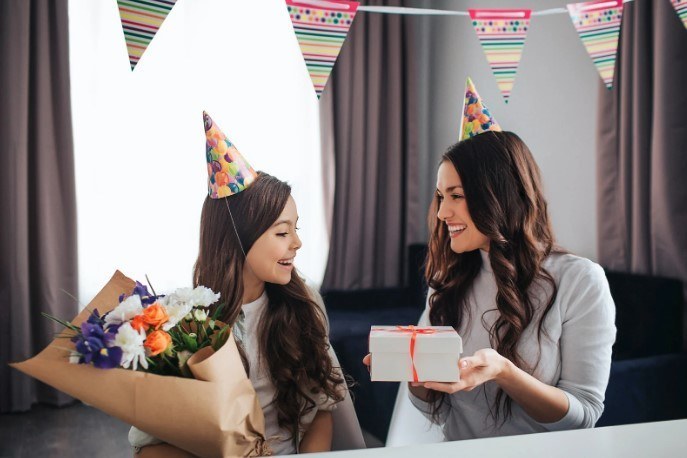
The rose bouquet in 2026 is more personal, more considered, and more visually sophisticated than it’s been in decades. Buyers aren’t just grabbing the nearest dozen red stems — they’re making intentional choices about color, variety, scale, and sourcing. That’s a fundamentally different relationship with flowers, and the best florists and retailers have adapted accordingly.
The practical takeaway: if you’re buying a rose bouquet this year, push past the default. Pick a palette, ask about variety, consider a garden-style arrangement, and think about whether a curated micro bouquet might actually make a stronger statement than a larger conventional one. The trends exist because they work — and once you’ve received or gifted a tonal, garden-style arrangement in warm terracotta, the standard dozen reds really do start to look like a different era.