Contents:
- What Does Flower Symbolism Mean in Indian Weddings?
- Why Are Flowers So Central to Indian Wedding Ceremonies?
- Emotional and Spiritual Significance
- Ritual Integration
- The Meaning Behind Popular Wedding Flowers
- Marigold: The Unofficial MVP
- Jasmine: Fragrance of Love
- How Indian Weddings in the US Blend Tradition and Modern Floristry
- Fusion Trends
- Florist’s Take
- Regional Variations in Flower Symbolism
- South Indian Weddings
- North Indian Weddings
- Bengali Weddings
- Iconic Wedding Rituals Involving Flowers
- The Jaimala (Garland Exchange)
- The Mandap (Ceremonial Canopy)
- Phoolon Ki Holi (Flower Shower)
- Mehndi and Sangeet Floral Jewelry
- How to Choose Flowers for an Indian Wedding in the US
- Pull-Quote
- FAQs: Flower Symbolism in Indian Weddings
- What is the meaning of the marigold flower in Indian weddings?
- Why is the jaimala important during the wedding ceremony?
- What flowers are considered bad luck at Indian weddings?
- Can American flowers be used in Indian weddings?
- How much does wedding flower decor cost for an Indian wedding in the US?
- Looking Forward: Modern Floristry Meets Ancient Ritual
Flower Symbolism in Indian Weddings
In a South Asian wedding, a single marigold can mean more than meets the eye. Walk into an Indian wedding and you’ll feel the scent of jasmine, see mandap pillars draped in roses, and spot the bride’s hands trembling with a garland of mogra. Every petal tells a story, blending centuries-old beliefs with modern romance. Americans planning or attending a big, bold Indian wedding in 2026 see more than color–they’re witnessing a language of flowers that’s as intricate as a henna pattern.
What Does Flower Symbolism Mean in Indian Weddings?
Flower symbolism in Indian weddings refers to the use of specific flowers–like marigold, jasmine, and rose–for their traditional meanings of purity, prosperity, or love. These blooms are not just decorative; they are chosen purposefully for everything from the bridal garland (jaimala) to the wedding mandap, meant to bring blessings, protect from negative energy, and signify a couple’s new beginnings. Each flower carries centuries of cultural significance, and their selection is guided by regional traditions, family customs, and symbolism.
Why Are Flowers So Central to Indian Wedding Ceremonies?
Consult any Indian wedding planner from New York to San Francisco, and you’ll hear stories of families flying in truckloads of marigolds or booking florists six months in advance. Why the obsession? For Indian weddings–whether in Mumbai or Manhattan–flowers are more than a backdrop. They are woven into rituals, religious offerings, and even wedding jewelry. According to Ananya Patel (AIFD-certified floral designer, Mumbai & Chicago), “A single wedding can use up to 20,000 fresh flowers, costing anywhere from $4,000 to $15,000 in 2026, depending on the scale and season.”
Emotional and Spiritual Significance
- Purity and new beginnings: White jasmine, tuberose, and lilies represent a fresh start.
- Prosperity and joy: Marigolds are considered auspicious and attract positive energy.
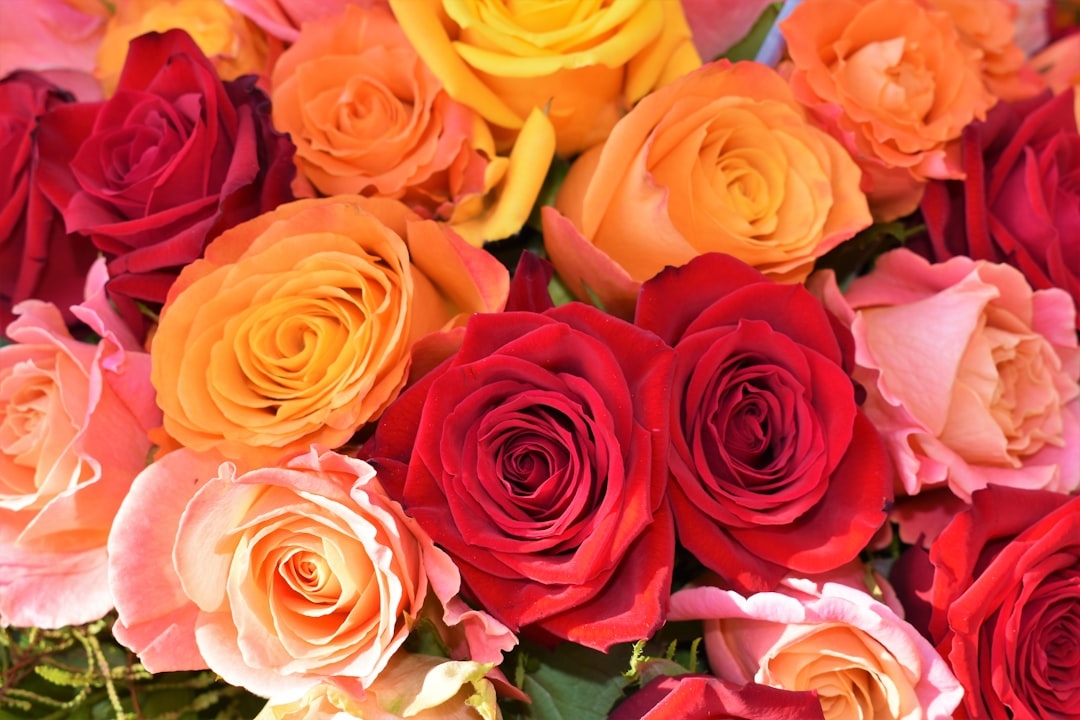
- Romance: Red roses symbolize passion and commitment.
Ritual Integration
- Jaimala (garland exchange): Symbolizes acceptance of one another.
- Mandap décor: Sets an auspicious stage for vows.
- Hair adornments & jewelry: Connect the bride to heritage.
“A wedding without flowers in our culture is like a cake without sugar,” says Rekha Suresh, owner of Atlanta-based (and Instagram-famous) BloomBharat Florals.
The Meaning Behind Popular Wedding Flowers
Some flowers are perennial favorites across the Indian diaspora. Here’s what they symbolize and where you’ll spot them:
| Flower | Hindi/Sanskrit Name | Symbolism | Typical Use |
|---|---|---|---|
| Marigold | Genda | Prosperity, protection | Mandap, garlands, rangoli |
| Jasmine | Mogra | Love, purity, sensuality | Hair, bridal jewelry, garlands |
| Rose | Gulab | Romance, respect | Bouquets, garlands, centerpieces |
| Lotus | Kamal | Spiritual awakening | Religious altars, stage decor |
| Tuberose | Rajnigandha | Purity, peace | Bride’s adornment, boutonnieres |
| Orchids | Orchid | Luxury, beauty, strength | Modern centerpieces, cake decor |
Marigold: The Unofficial MVP
Marigolds aren’t just for looks–they’re believed to protect events from negativity. In 2026, fresh marigold chains are being imported from India to Los Angeles for up to $15 a foot, because synthetic versions just don’t carry the same blessings.
Jasmine: Fragrance of Love
No Indian bride is considered fully adorned without a string of jasmine in her hair. In South Indian weddings, the aroma is said to fill the air with marital harmony.
How Indian Weddings in the US Blend Tradition and Modern Floristry
Indian-American couples are mixing age-old customs with the latest in American floral trends. Picture a Texas ballroom bursting with peonies and garden roses alongside strings of marigold and mango leaves.
Fusion Trends
- Statement Mandaps: O’Hara roses and exotic phalaenopsis orchids mixed with traditional blooms.
- Eco-Friendly Choices: More families are requesting foam-free installations and compostable garlands.
- Seasonal Variations: Couples now source local dahlias and ranunculus for eco-conscious weddings, especially in California.
Florist’s Take
Emma Huang, lead designer at New York’s PurePetal Weddings, notes, “Over the past year, we’ve seen a 30% increase in couples wanting to combine American floral styles–like aisle meadows–with marigold backdrops and mogra garlands.”
Regional Variations in Flower Symbolism
Across India’s many states–and within Indian-American communities–floral choices can signify anything from family origin to religious sect.
South Indian Weddings
- Jasmine and tuberose: Dominant in hair and garland work.
- Banana leaf and betel: Sometimes intertwined with flowers for symbolic fertility.
North Indian Weddings
- Rose and marigold: Heavily used in décor and for the jaimala.
- Lotus: An auspicious choice for Sikh and Hindu ceremonies.
Bengali Weddings
- White tuberose (‘rajnigandha’): Symbolizes purity, widely used in garlands.
“Even within a single city, families from different communities may pick entirely different flowers for the same ritual,” explains Dr. Narayan Iyer, cultural historian, Rutgers University.
Iconic Wedding Rituals Involving Flowers
A handful of wedding moments simply wouldn’t work without floral symbolism:
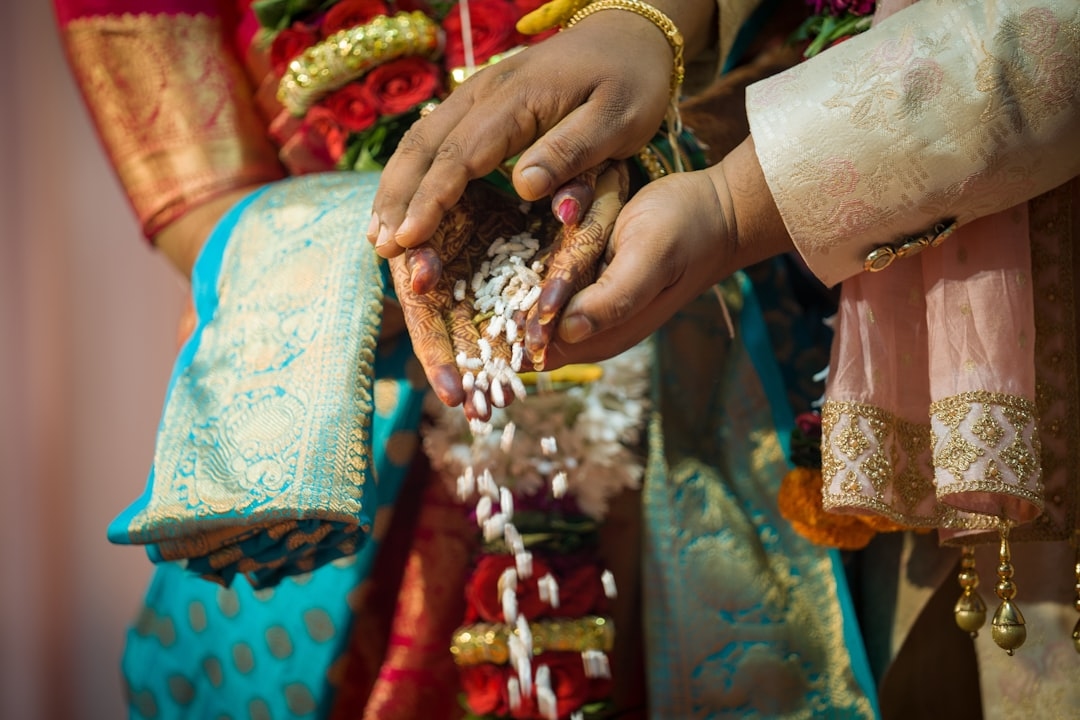
The Jaimala (Garland Exchange)
This central ritual involves the bride and groom exchanging floral garlands–usually marigold, rose, or jasmine. In many families, the garland is prepared by elders to pass down wishes for marital harmony.
The Mandap (Ceremonial Canopy)
The heart of the Hindu wedding is the mandap. Draped with thousands of blooms–sometimes up to $8,000 in flowers alone–the mandap becomes a sacred space. Flower petals are also scattered around the fire (agni) to invoke blessings.
Phoolon Ki Holi (Flower Shower)
A joyful moment where guests shower the couple with petals. At luxury weddings, planners order bulk petals from US suppliers like FiftyFlowers or FlowerMoxie (averaging $180 for 10 pounds of fresh petals in 2026).
Mehndi and Sangeet Floral Jewelry
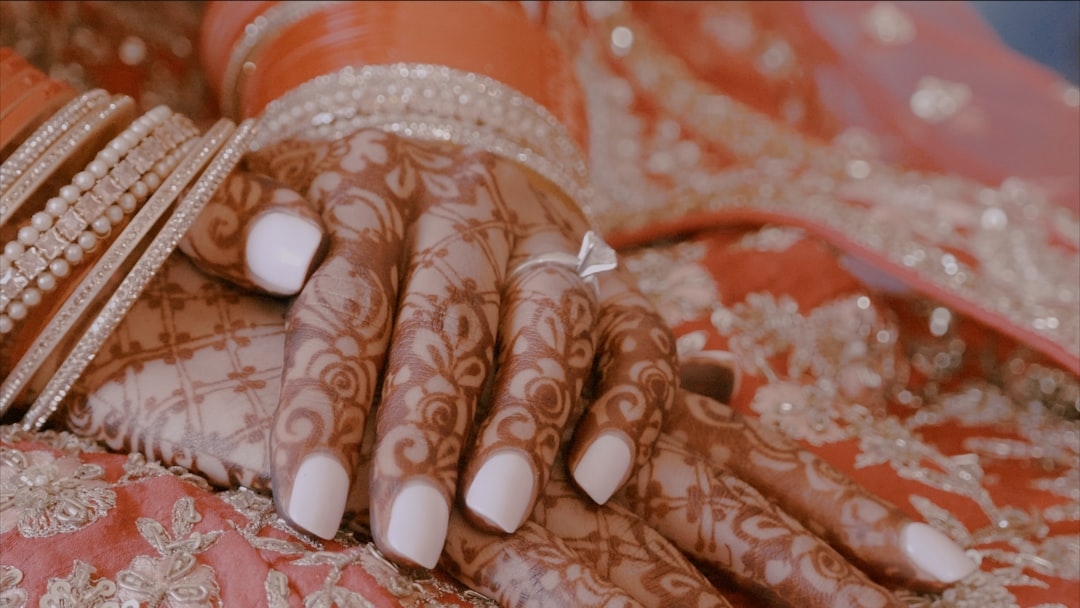
Brides don delicately crafted jewelry made of real flowers–roses, chrysanthemums, or orchids–especially for pre-wedding festivities.
How to Choose Flowers for an Indian Wedding in the US
Planning a multicultural wedding in American cities like Dallas or San Jose? Consider these expert-backed tips:
- Availability: Many traditional Indian blooms (like fresh mogra) are seasonal or have to be imported. Sourcing locally grown alternatives, like white gardenia, saves money and reduces eco-impact.
- Color Palette: Indian weddings favor bold colors–saffron, magenta, gold. American florists today can custom-dye blooms to match traditional themes.
- Budget: Expect to spend from $4,000 for small venues to $20,000+ for luxury events. Imported florals–especially lotus and mogra–can double costs.
- Vendor Experience: Seek florists who specialize in South Asian weddings or work in partnership with cultural consultants, like Vivaah Events (Florida) or Shadi Creations (Chicago).
- Symbolic Fit: Choose flowers with meanings that resonate with your family’s faith and heritage.
Pull-Quote
“The way we mix marigolds with American garden roses tells the story of our journey–honoring our roots, but celebrating in a way that’s our own.” – Riya Mehra, Philadelphia bride, 2026
FAQs: Flower Symbolism in Indian Weddings
What is the meaning of the marigold flower in Indian weddings?
Marigolds symbolize prosperity, protection from negative energy, and joy. They are believed to invite blessings and are a staple in mandap décor, garlands, and entrance arrangements at Indian weddings.
Why is the jaimala important during the wedding ceremony?
The jaimala, or flower garland exchange, represents the couple’s acceptance and respect for one another. The ritual marks the start of their union, with each flower symbolizing new beginnings and blessings.
What flowers are considered bad luck at Indian weddings?
Lilies (especially white lilies) can be avoided in some regions for being associated with funerals and mourning. It’s best to check with the family’s tradition before including any unfamiliar flowers.
Can American flowers be used in Indian weddings?
Yes. Many US-based Indian couples blend traditional flowers like marigold and jasmine with American favorites–roses, peonies, dahlias–to create unique, meaningful weddings. The symbolic intent matters most.
How much does wedding flower decor cost for an Indian wedding in the US?
In 2026, Indian wedding flower decor in the US typically costs between $4,000 and $20,000 depending on flower types, venue size, and level of customization. Imported flowers and elaborate mandaps can raise the budget further.
Looking Forward: Modern Floristry Meets Ancient Ritual
For anyone planning, attending, or dreaming of an Indian wedding in America, bringing together the grandeur of traditional floral symbolism and the innovation of modern floristry means every event is uniquely personal. If you’re getting married in 2026, talk to your family about the flowers that matter to them. Ask your florist about sustainable options, creative color blends, and mixing cultures through petals. The right blooms aren’t just beautiful–they’re the silent storytellers of your big day.