Contents:
- What Grows Best in a Zone 6 Cut Flower Garden? (Direct, Featured Snippet-Style Answer)
- Understanding Hardiness Zone 6 for Cut Flowers
- Zone 6 Specifics for Florists and Gardeners
- The Best Cut Flowers for Zone 6
- Why These Picks?
- Timing Your Planting for Zone 6
- Spring
- Summer
- Fall
- Soil Prep, Watering, and Pest Control in Zone 6
- Soil Matters
- Water Wisely
- Stay Ahead of Pests
- Succession Planting for a Bountiful Harvest
- Florist-Favorite Varieties for Zone 6
- Buying vs. Growing: The Pros and Cons for Zone 6 Residents
- Cut Flower Care: Maximizing Vase Life
- FAQ: Zone 6 Cut Flower Gardening
- What is the best time to plant cut flowers in Zone 6?
- Which perennials are best for Zone 6 cut flower gardens?
- Can I grow dahlias in Zone 6?
- How can I keep deer and rabbits out of my cut flower garden?
- Where can I buy cut flower seeds and bulbs suited for Zone 6?
- Your Next Steps: Plan, Plant, and Share
Cut Flower Garden by Hardiness Zone 6: Grow Blooms That Wow
On a crisp April morning, a row of daffodils shimmers in the Kentucky sun. Nearby, the first ranunculus petals unfurl, catching the light in a way only a fresh garden bloom can. If you call USDA Hardiness Zone 6 home, you’re in luck: your climate is a sweet spot for an abundance of cut flowers, some rarely seen in warmer or chillier zones.
Let’s talk about building a cut flower garden designed for Zone 6. That means choosing varieties that thrive through snowy winters and hot, humid summers, and timing your plantings for maximum vase life. Ready to fill your kitchen with locally grown color? Let’s dig in.
What Grows Best in a Zone 6 Cut Flower Garden? (Direct, Featured Snippet-Style Answer)
Zone 6 cut flower gardens flourish with hardy annuals, spring bulbs, and classic perennials. Top choices include:
- Tulips, daffodils, and ranunculus for spring bouquets
- Zinnias, cosmos, sunflowers, and snapdragons for summer cutting
- Dahlias, phlox, asters, and chrysanthemums extending into fall
- Cold-hardy biennials like sweet peas and foxgloves
Sow hardier seeds outdoors from mid-April, start tender annuals indoors by March, and plant bulbs in autumn for a steady supply of fresh stems from April through October.
Understanding Hardiness Zone 6 for Cut Flowers
Zone 6 stretches across a huge swath of the US: think Kansas City, Pittsburgh, and much of New Jersey. Winters hover between -10°F and 0°F, while summers bring highs in the 80s and occasional drought spells.
Zone 6 Specifics for Florists and Gardeners
- Last Frost: Usually mid-April through early May
- First Frost: Late October
- Growing Season: 170-200 days (USDA Plant Hardiness Zone Map, 2026)
- Soil: From sandy loam in St. Louis to heavy clay in Ohio
That long growing window means ambitious gardeners can grow both spring bulbs and tender heat-lovers. “You get the best of both worlds,” says Maria Russo, owner of Bloom & Gather Floristry in Nashville, TN. “Peonies one month, zinnias the next, then dahlias and asters strutting their stuff into November.”
The Best Cut Flowers for Zone 6
The magic formula for a non-stop cutting garden? Mix annuals, perennials, and bulbs. Here’s a breakdown, with approximate bloom periods for Central Zone 6:
| Flower Name | Type | Bloom Time | Vase Life | Notes |
|---|---|---|---|---|
| Tulip | Bulb | April-May | 7-10 days | Plant in fall, chill needed |
| Ranunculus | Bulb | April-May | 7-12 days | Soak and pre-sprout corms |
| Sweet Pea | Annual | May-June | 4-6 days | Scented, hates heat |
| Peony | Perennial | May | 5-7 days | Expensive to buy, easy to grow |
| Zinnia | Annual | July-September | 7-12 days | Heat lover, endless colors |
| Cosmos | Annual | July-Frost | 5-7 days | Light, airy filler flower |
| Snapdragon | Annual | June-September | 7-10 days | Needs support, cool start |
| Sunflower | Annual | July-September | 7-10 days | Plant in succession |
| Dahlia | Tuber | August-October | 5-7 days | Dig up tubers in fall |
| Aster | Perennial | August-October | 5-10 days | Great fall color |
| Chrysanthemum | Perennial | September-October | 10-14 days | Longest-lasting cut bloom |
“The key to bouquets from April to frost: stagger your sowings and don’t forget the fall-planted bulbs. Zone 6 makes it possible,” says Jacob Lane, horticulturist for American Blossom Trial Gardens.
Why These Picks?
Bulbs deliver floods of bloom early, right after snow melts. Annuals like zinnias and cosmos pump out flowers all summer (if you keep cutting them!). Perennials anchor the show and come back year after year, with peonies and hardy mums being local favorites.
Timing Your Planting for Zone 6
Spring
- Bulbs: Plant tulips, daffodils, and ranunculus corms in October-November.
- Hardy Annuals: Sow larkspur, bachelor’s buttons, and bells of Ireland outside in late March or early April.
- Tender Annuals: Start seeds (zinnias, celosia, sunflowers) indoors in March, transplant after last frost.
Summer
- Keep deadheading and cutting for continuous blooms.
- Succession sow summer annuals every 2-3 weeks for steady production.
Fall
- Plant more bulbs for next year.
- Dig up and store dahlia tubers after frost.
Bulb prices in 2026 hover around $0.60-$1.25 each for premium varieties from US suppliers like Floret Flowers or John Scheepers.
Soil Prep, Watering, and Pest Control in Zone 6
Soil Matters
Zone 6 soils can be clay-heavy or sandy. Amend with 3-4 inches of compost before planting each spring for lush stems. Raised beds (starting at $100 for a 4×8’) can solve drainage issues.
Water Wisely
Droughts hit mid-summer. A drip irrigation kit ($60-$120) saves time and prevents diseases by keeping foliage dry. In hot spells, water deeply once or twice a week–an inch at a time.
Stay Ahead of Pests
Japanese beetles, aphids, and deer are common headaches.
- Floating row covers protect young plants.
- Neem oil or insecticidal soap nips aphids in the bud.
- Fencing (about $2-$5 per foot) is the most effective deer deterrent in suburbia and rural areas.
Succession Planting for a Bountiful Harvest
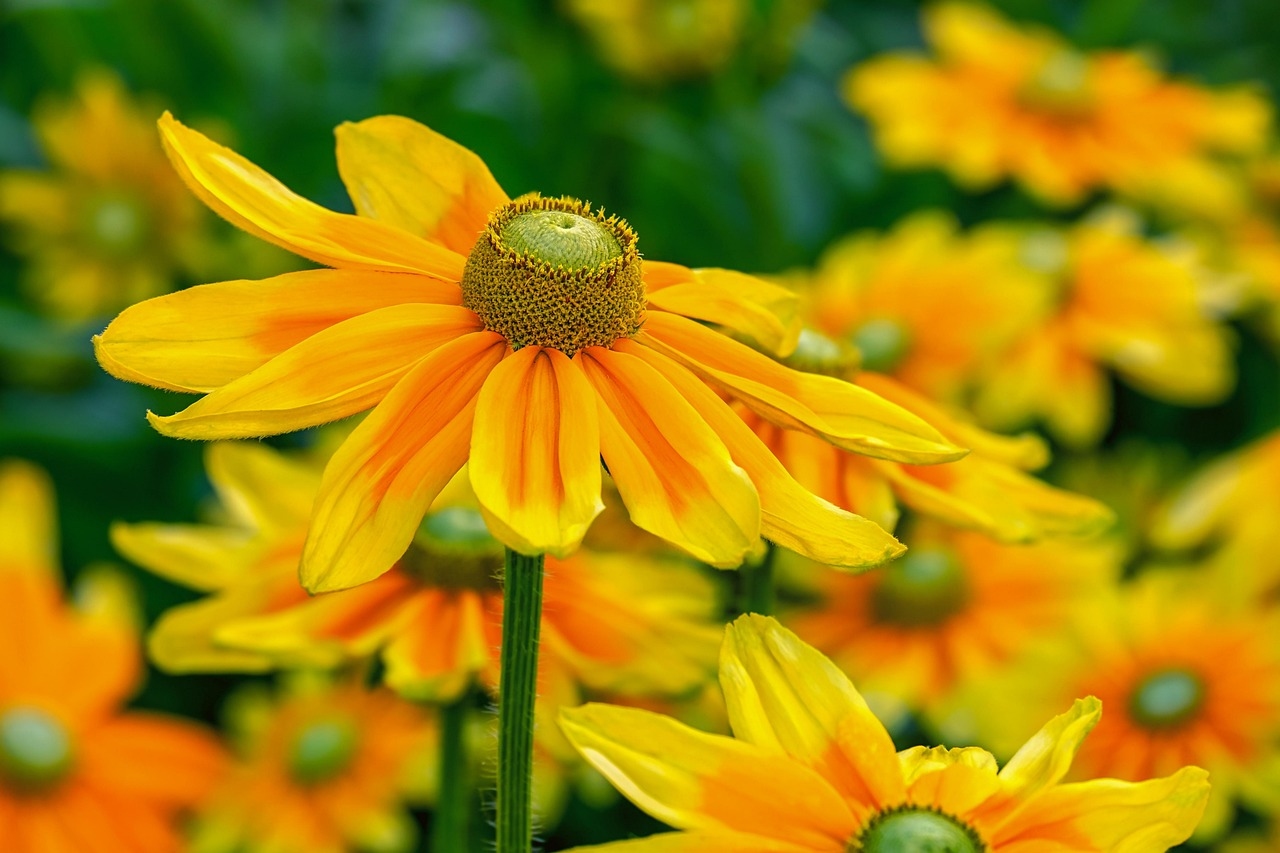
Succession planting is key to Zone 6 flower abundance. Instead of tossing all your seeds in one go, stagger plantings so you always have something blooming.
Simple succession schedule for zinnias:
- First sowing: Indoors March 20, transplant mid-May
- Second round: Direct sow early June
- Third round: Direct sow late June
This gives you fresh, healthy stems from July through September. Apply the same logic to sunflowers, cosmos, and snapdragons.
Florist-Favorite Varieties for Zone 6
US florists in 2026 love unique varieties that ship well and have a long vase life:
- Zinnia ‘Benary’s Giant’: Huge, disease-resistant blooms, $4-$6/packet of seeds
- Dahlia ‘Cafe au Lait’: On-trend blush color, perfect for bridal bouquets
- Snapdragon ‘Rocket Mix’: Tall stems, popular with local flower CSAs
- Lisianthus ‘Echo’: Looks like a rose, survives Zone 6 with proper mulching
“Lisianthus has become a top seller for local florists. It’s tricky to start, but regulars love its rose-like petals and sturdy stems,” shares Savannah Reed, owner of Reed & Root in Columbus, OH.
Buying vs. Growing: The Pros and Cons for Zone 6 Residents
| Option | Pros | Cons |
|---|---|---|
| Growing | Freshest stems, cheapest per bouquet | Initial setup, wait time, learning curve |
| Buying | Instant bouquets, access to exotics | $30-$70 per bouquet, carbon footprint, imports |
| Subscription | Steady local supply, seasonal picks | ~$20-$40/week, sometimes limited choices |
A local flower CSA in Zone 6 typically runs April-October, $350-$600 for a 16- to 24-week share. National services like The Bouqs Co. or UrbanStems ship cut arrangements for about $49-$89, but nothing beats the “straight-from-the-garden” scent and staying power.
Cut Flower Care: Maximizing Vase Life
- Harvest early in the morning for longest-lasting stems
- Use clean, sharp snips (Felco #2 is a favorite, $59 in 2026)
- Remove leaves below waterline
- Change water daily, especially for zinnias and dahlias
- Add flower food or a splash of lemon-lime soda for dahlias
“Conditioning is everything,” says Russo. “Even a grocery-store bouquet will last twice as long with fresh water and a quick trim every other day.”
FAQ: Zone 6 Cut Flower Gardening
What is the best time to plant cut flowers in Zone 6?
Start hardy annuals outside in early April, tender annuals after the last frost (usually mid-May), and plant bulbs like tulips and daffodils in fall.
Which perennials are best for Zone 6 cut flower gardens?
Top picks include peonies, phlox, shasta daisies, asters, and hardy chrysanthemums–all come back yearly and bloom reliably in Zone 6.
Can I grow dahlias in Zone 6?
Yes, but you need to dig up the tubers each fall after frost and store them cool and dry, since Zone 6 winters can kill them if left in the ground.
How can I keep deer and rabbits out of my cut flower garden?
Physical barriers work best: 4-foot fencing or flexible mesh. For a small investment, repellents or motion-activated sprinklers can help but may need frequent reapplication.
Where can I buy cut flower seeds and bulbs suited for Zone 6?
Trusted US-based sources include Johnny’s Selected Seeds, Floret Flowers, and Eden Brothers. For bulbs, John Scheepers and Brent & Becky’s Bulbs are reliable, ship-to-zone 6 suppliers.
Your Next Steps: Plan, Plant, and Share
Sketch out your cut flower plot, even if it’s just a sunny 4×8’ bed. Order seeds now for hardest-to-find favorites–American suppliers often sell out by February. Join a local flower CSA, or pick up Felco snips and try harvesting your own. By late spring, you’ll have armloads of stems, bouquets to gift, and a view guaranteed to brighten every window.
Ready to fill your Zone 6 home with homegrown blooms? Now’s the time.