Contents:
- Quick Answer: Why Roses Became the Icon of Valentine’s Day
- The Ancient Roots: Myth, Meaning, and the Language of Flowers
- Aphrodite, Venus, and the Birth of the Red Rose
- Floriography: Love in Code
- From Garden to Gift: The Economics Behind Valentine’s Roses in the US
- Year-Round Roses: Floriculture Changes the Game
- Roses vs. Other Flowers: A Numbers Game
- Marketing Magic: How Florists Sealed the Deal
- Hallmark, Teleflora, and the Role of Advertising
- Roses: The Gift That Photographs Well
- The Meaning Behind the Color: Red Reigns, But Not Alone
- What the Colors Say
- Roses, Retail, and Reality: Why They’re Still #1 on Valentine’s Day
- Why Not Other Flowers?
- FAQ: Roses & Valentine’s Day, Answered
- Why do people give roses specifically on Valentine’s Day?
- How many roses are sold on Valentine’s Day in the US?
- Are roses always the best flower for Valentine’s Day?
- Why are roses more expensive on Valentine’s Day?
- What color roses should I get for a new relationship?
- Rethink the Classic: Roses with a Twist for Valentine’s Day 2026
Why Valentine’s Day Became About Roses
Picture this: On February 14th, nearly 250 million roses are delivered around the world. In the United States alone, florists like 1-800-Flowers and urban flower shops race to fill last-minute orders, predicting which shade of red will sell out first. But how did a single flower come to dominate the most romantic day of the year? The answer is rooted in centuries of myth, business, and cultural trends–plus a few clever marketing campaigns along the way.
Quick Answer: Why Roses Became the Icon of Valentine’s Day
Roses became synonymous with Valentine’s Day due to their historical associations with love and beauty, their symbolism in classical mythology (especially the red rose with Aphrodite/Venus), and the rise of Victorian-era flower language (“floriography”). By the early 20th century, advances in greenhouse technology and aggressive marketing by US florists cemented the red rose as the must-give gift for romance on February 14th.
The Ancient Roots: Myth, Meaning, and the Language of Flowers
It wasn’t always about roses. Ancient Romans exchanged simple tokens during the feast of Lupercalia, a precursor to Valentine’s Day, but roses already had deep symbolic roots.
Aphrodite, Venus, and the Birth of the Red Rose
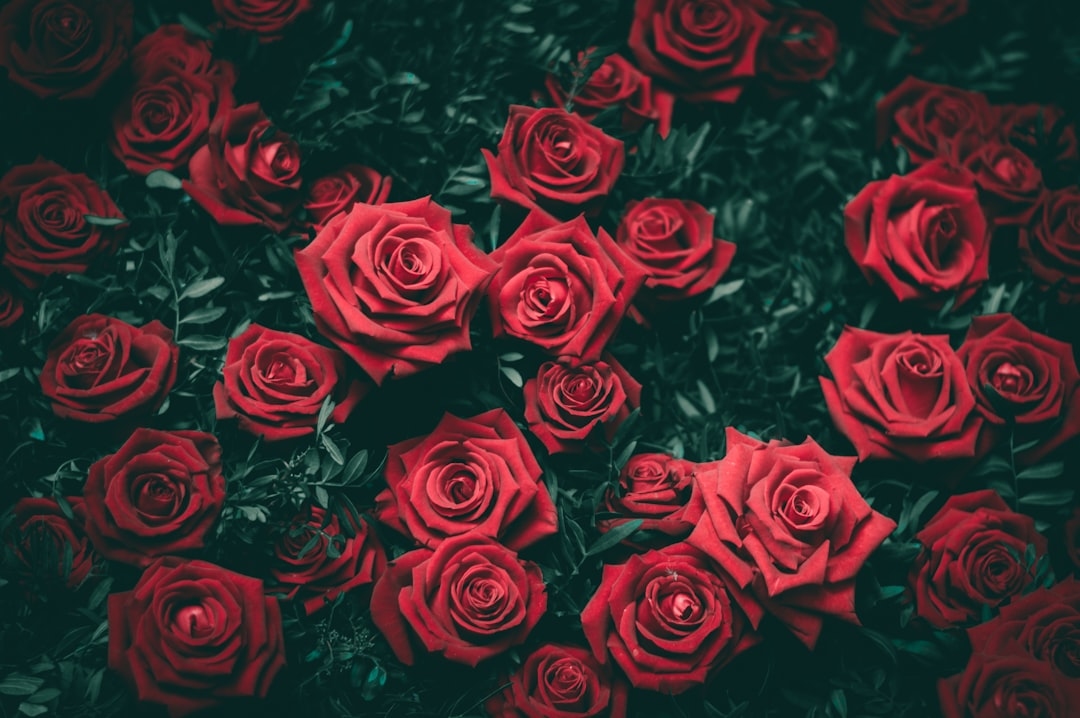
In Greek mythology, the goddess Aphrodite was often depicted surrounded by red roses. According to legend, the first red rose sprang from her tears and the blood of her lover, Adonis. When the Romans adopted Aphrodite as Venus, the connection between the red rose and passionate love only intensified.
Floriography: Love in Code
Fast-forward to Victorian England, where strict social codes meant lovers couldn’t speak openly. Enter “floriography”–the secret language of flowers. Red roses meant, simply and unequivocally: “I love you.” By the late 1800s, American etiquette guides and women’s magazines popularized the trend stateside. The message was clear, and subtlety had never smelled so sweet.
“A single red rose sent on Valentine’s Day says more than any poem ever could.”
–Jenna Bartlett, Master Florist & Owner, Bartlett Blooms NYC
From Garden to Gift: The Economics Behind Valentine’s Roses in the US
Why roses and why on February 14th, specifically? The answer is as practical as it is poetic.
Year-Round Roses: Floriculture Changes the Game
A century ago, most Americans saw roses only in bloom during summer months. That changed with the expansion of greenhouse growing techniques and international imports, especially from Colombia and Ecuador. As of 2026, over 80% of cut roses sold in the US arrive via Miami, having been grown in the Andes and cooled for maximum freshness (US Department of Agriculture report, 2025).
Roses vs. Other Flowers: A Numbers Game
Here’s a quick look at how roses stack up:
| Flower | Avg. US Sales (Valentine’s 2026) | Symbolism | Average Price/Dozen |
|---|---|---|---|
| Red Roses | 186 million stems | Love, passion | $65 |
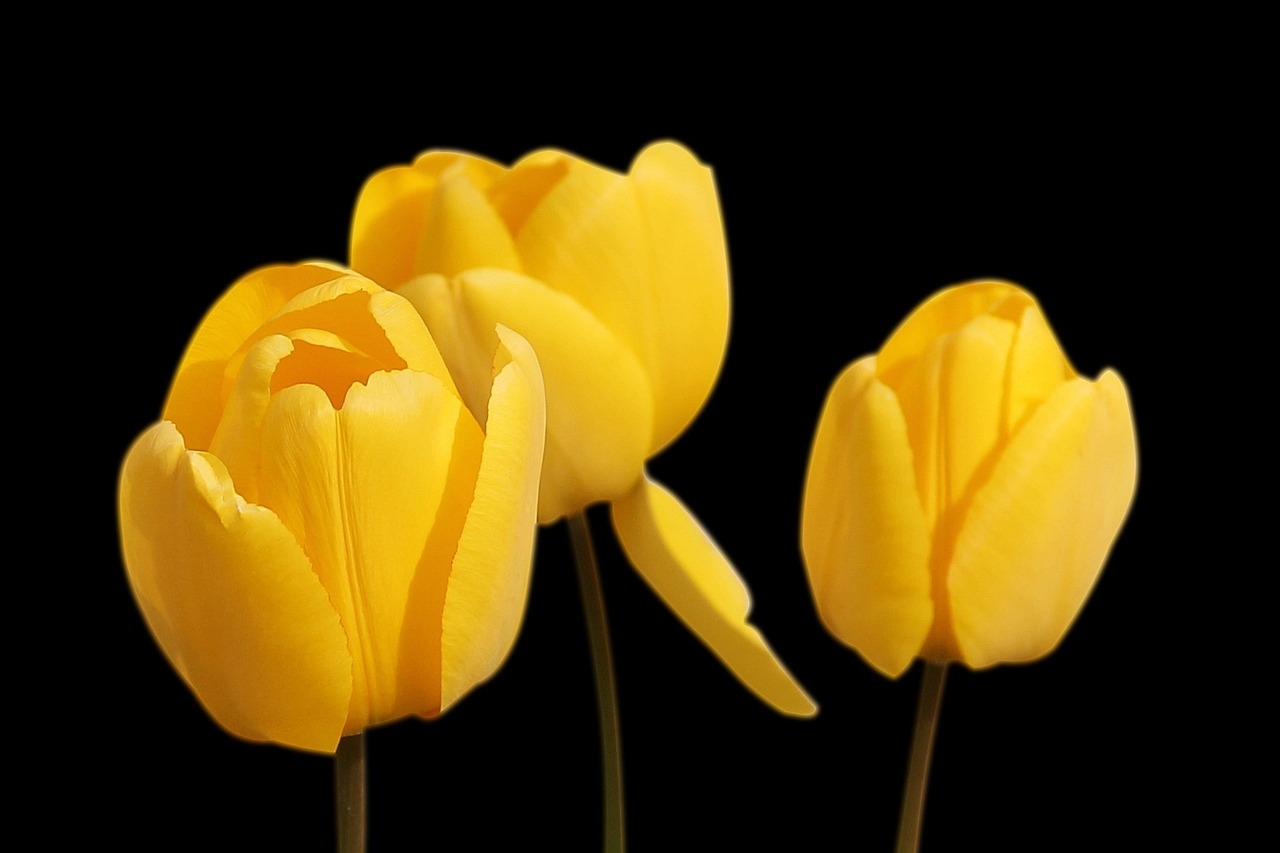
| Tulips | 30 million stems | Perfect love, cheer | $30 |
| Lilies | 10 million stems | Devotion, purity | $45 |
| Mixed Bouquets | 22 million arrangements | Friendship, admiration | $50 |
Why do roses dominate? Supply, demand, and the relentless association with romance.
Marketing Magic: How Florists Sealed the Deal
Florists didn’t invent the connection, but they sure amplified it.
Hallmark, Teleflora, and the Role of Advertising
The mid-20th century saw a surge in holiday promotions. Hallmark began rolling out Valentine’s Day cards featuring rose imagery. Meanwhile, Interflora (now Teleflora) and FTD encouraged long-distance gifting by guaranteeing national next-day delivery of–you guessed it–roses.
“By 1975, over 70% of all Valentine’s Day bouquets featured roses, and the trend hasn’t slowed,” notes Dr. Emily Wu, professor of Floriculture Marketing at Michigan State University.
Roses: The Gift That Photographs Well
In the Instagram era, visuals matter. Glossy, plush red roses look appealing on social media, helping drive the cycle: the more we see them on Valentine’s, the more we expect them.
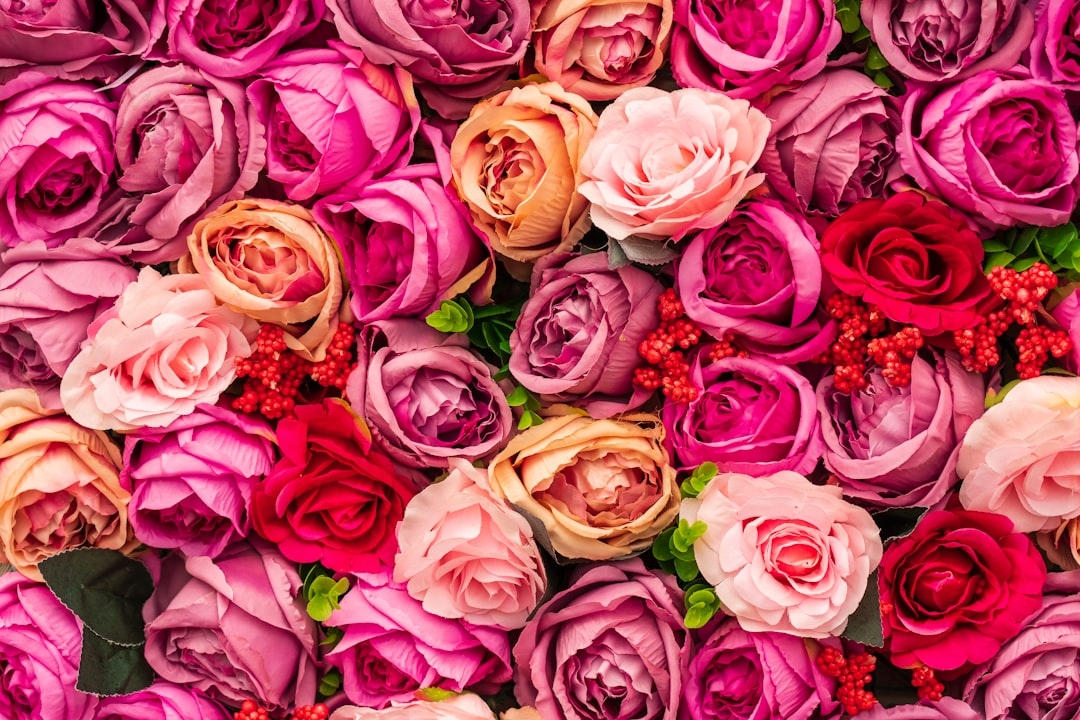
The Meaning Behind the Color: Red Reigns, But Not Alone
Red roses get the spotlight, but other shades have their own stories.
What the Colors Say
- Red: Deep love and desire
- Pink: Admiration, joy, elegance
- White: Innocence, new beginnings
- Yellow: Friendship, caring
- Lavender: Enchantment, love at first sight
Florists report that 77% of all Valentine’s buyers in 2026 still choose classic red, but sales of custom mixed-color arrangements are up 15% year-over-year (Survey by the National Retail Federation, February 2026).
Roses, Retail, and Reality: Why They’re Still #1 on Valentine’s Day
Convenience and tradition fuel the cycle. Online flower services like Bouqs, UrbanStems, and FTD see website traffic jump by 300% leading up to February 14th, with red roses at the top of every “best sellers” page.
Why Not Other Flowers?
Lilies or tulips might be cheaper–or even more cherished for some couples–but roses are universally understood. Unlike, say, carnations (which Americans often associate with funerals or proms), a dozen red roses can’t be misinterpreted.
“It’s not that other flowers aren’t romantic. It’s just that red roses are the gold standard. They’re the ‘little black dress’ of romantic gifts.”
–Dante Lopez, Owner, Rose Avenue Florists, Los Angeles
FAQ: Roses & Valentine’s Day, Answered
Why do people give roses specifically on Valentine’s Day?
Roses, especially red ones, symbolize deep romantic love thanks to centuries of mythology and cultural tradition. By the 20th century, florists and advertisers solidified roses as the go-to Valentine’s gift for expressing passion and affection.
How many roses are sold on Valentine’s Day in the US?
In 2026, U.S. florists and retailers sold an estimated 186 million roses for Valentine’s Day, according to the National Retail Federation. Red led the pack, but pink and custom mixed bouquets also saw record numbers.
Are roses always the best flower for Valentine’s Day?
While roses are culturally iconic, the “best” flower depends on your partner’s personality and preferences. Some prefer tulips, orchids, or even wildflowers. Roses, however, remain the safest bet for making a classic romantic statement.
Why are roses more expensive on Valentine’s Day?
High demand in a short window forces florists to source, ship, and cool massive rose volumes rapidly. Airlines, growers, and delivery companies raise prices in the weeks leading up to February 14th–costs that are passed on to consumers.
What color roses should I get for a new relationship?
Pink or mixed bouquets are popular for new relationships, symbolizing admiration and budding love. If you’re daring, lavender roses (enchantment) or classic red (bold passion) also work–just be aware of the message you’re sending.
Rethink the Classic: Roses with a Twist for Valentine’s Day 2026
Roses won’t lose their crown anytime soon–but that doesn’t mean your bouquet should be predictable. Want to stand out this year? Pair red roses with locally grown wildflowers, or mix in unexpected shades like coral or deep purple. Many boutique florists now offer personalized notes and sustainable packaging, making your gesture even more meaningful.
After all, flowers are really about the message you send. In 2026, the best Valentine’s Day bouquet isn’t just a dozen roses. It’s a gift that feels personal–rooted in tradition, but blooming with your own story.