Contents:
- What Gives Roses Their Signature Scent? (Direct Answer)
- The Botanical Chemistry Behind Rose Aroma
- Key Scent Compounds in Roses
- Minor Molecules, Major Impact
- Not All Roses Smell the Same: Varieties and Their Aromas
- Why Do Some Roses Have No Scent?
- Top Fragrant Rose Varieties in the US Market (2026)
- How Science and Florists Capture Rose Perfume
- Extraction Methods: From Farm to Flask
- Preserving Scent in Arrangements
- Genetic Engineering and the Future of Rose Fragrance
- Roses in Perfumery: Why Nature Still Wins
- Surprising Factors That Change Rose Scent
- List: What Affects the Scent of a Rose Bloom?
- FAQ: The Chemistry of Rose Fragrance
- What chemical compounds make up the scent of a rose?
- Why do some roses have no fragrance?
- How do florists preserve rose fragrance in bouquets?
- Are natural or synthetic rose scents used in perfume?
- Has genetic engineering improved rose fragrance?
The Chemistry of Rose Fragrance
Picture a florist’s cooler on a sweltering June afternoon in Los Angeles. Even before your eyes land on any bouquets, a soft, velvety perfume tugs you in. It’s unmistakable–roses. But that classic rose scent is a masterpiece of molecular chemistry, more intricate than most people imagine. In 2026, as high-end perfumeries and American flower farms race to create ever-more alluring rose varieties, scientists and scent designers alike are still chasing the mysteries behind those intoxicating notes.
What Gives Roses Their Signature Scent? (Direct Answer)
Rose fragrance is the result of a complex blend of volatile organic compounds–primarily citronellol, geraniol, nerol, and damascenone. These molecules work together in unique ratios to produce the recognizable rosy aroma. Over 400 individual chemical compounds have been identified in rose oil, but only a handful dominate what our noses register as “rose.”
The Botanical Chemistry Behind Rose Aroma
Key Scent Compounds in Roses
At its heart, rose fragrance is an alchemy of just a few major molecules:
- Citronellol: Offers a fresh, citrusy, and slightly green aroma. It’s the most abundant alcohol in rose essential oil, making up about 30-40% of the scent in most Rosa damascena blooms.
- Geraniol: Sweet, rosy, with hints of fruitiness. It adds to the rounded, floral aspects.
- Nerol: Provides a light, sweet, and citrus component.
- Damascenone: Punches far above its weight, delivering a deep, honeyed, almost fruity note even in tiny quantities–often just 0.01% of the oil.
Dr. Casey Warner, a floral chemist with the American Society for Horticultural Science, notes:
“One bloom of Rosa damascena releases thousands of micrograms of scent molecules per hour. The balance of citronellol and damascenone is what most Americans recognize as a ‘true rose’ aroma.”
Minor Molecules, Major Impact
Among the hundreds of trace compounds, some like phenylethanol and eugenol can drastically change a rose’s perceived scent. A single genetic mutation can create either a classic ‘tea rose’ fragrance or a spicy, clove-like undertone.
Not All Roses Smell the Same: Varieties and Their Aromas
Why Do Some Roses Have No Scent?
Many modern tea and hybrid roses, especially those bred for cut-flower longevity, are virtually odorless. In a 2023 survey by the California Cut Flower Commission, only about 30% of commercially available roses in the US were rated as “highly fragrant.” Why? Breeding for color, petal count, and shipping durability has often pushed scent to the back seat.
Top Fragrant Rose Varieties in the US Market (2026)
| Variety | Scent Profile | Typical Use | Price/Bloom (USD) |
|---|---|---|---|
| ‘Mister Lincoln’ | Spicy, classic damask | Bouquets, gardens | $3.50 |
| ‘Memorial Day’ | Old-rose, citrus, anise | Events, home | $4.00 |
| ‘Beverly’ | Fresh, fruity, raspberry | Weddings, luxury | $5.00 |
| ‘Eden’ | Sweet, peony-like | Hybrid gardens | $3.80 |
| ‘Double Delight’ | Creamy, spicy, raspberry | Gift bouquets | $3.75 |
Florist Tip: In 2026, upscale shops like UrbanStems and BloomNation frequently highlight ‘Beverly’ and ‘Mister Lincoln’ as the most-requested scented roses for US weddings.
How Science and Florists Capture Rose Perfume
Extraction Methods: From Farm to Flask
Roses grown for essential oil–primarily Rosa damascena and Rosa centifolia–are harvested at dawn when their perfume peaks. Each pound of rose oil (attar) takes about 2,000 pounds of fresh petals. That’s roughly 70,000 flowers.
There are two main extraction methods:
- Steam Distillation: The classic method. Petals are steamed, releasing volatile oils that are then condensed and collected.
- Solvent Extraction: Petals are soaked in a solvent like hexane, yielding a “concrete,” which is then refined to produce absolute–a richer, more complex fragrance.
Solvent extraction is prized by perfumers like Le Labo and Byredo, who use “Rose de Mai absolute” in their 2026 limited editions.
Preserving Scent in Arrangements
Fragrance fades quickly after cutting. To maximize rose aroma, savvy American florists favor chilled transport (43-46°F), and hydration with floral solutions like FloraLife Clear 200. Some top boutiques even blend in drops of essential oil, ensuring your bouquet still smells garden-fresh when it lands on a Manhattan doorstep.
Genetic Engineering and the Future of Rose Fragrance
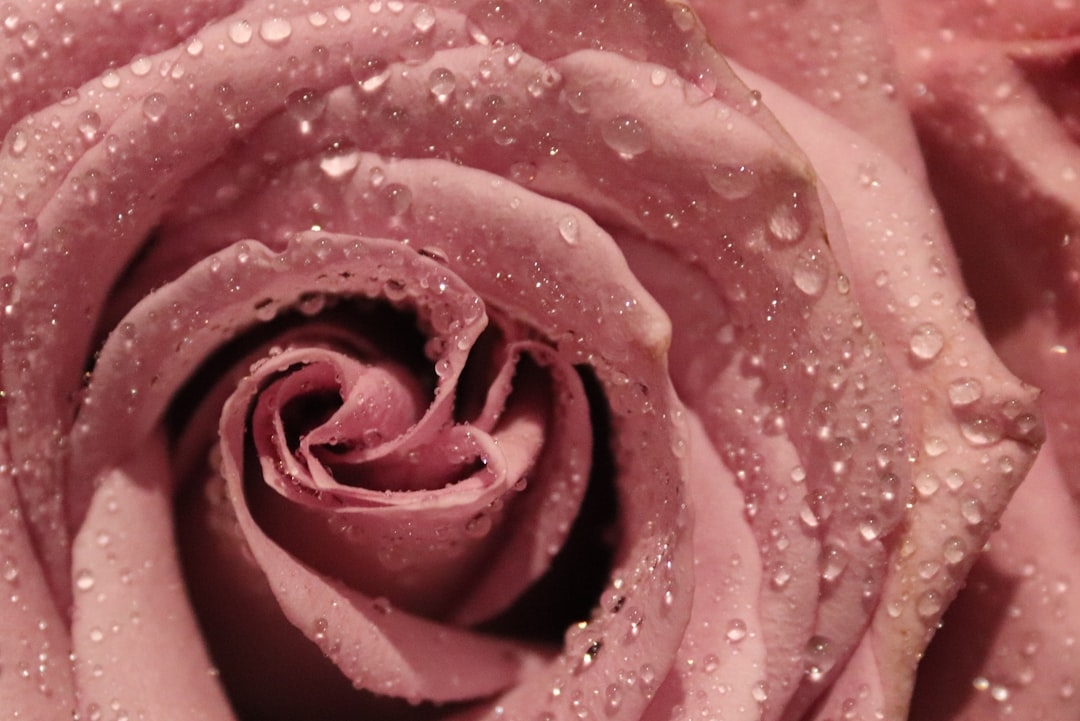
The last decade saw breakthroughs in “bio-scented” roses. In 2024, a biotech startup in Davis, CA, introduced a gene-edited rose that expresses higher levels of β-damascenone–doubling perceived scent intensity without sacrificing vase life.
Dr. Simone Park, head of floral genetics at Floragenomics, claims,
“By 2026, gene-edited roses comprise 12% of the premium scented rose market in the US, with demand growing among eco-minded buyers who crave both beauty and perfume.”
Roses in Perfumery: Why Nature Still Wins
Synthetic rose notes (often labeled as “Rose Oxide” or “Phenylethyl Alcohol”) are widely used in mass-market fragrances–think Bath & Body Works or Zara Home–but they rarely match the subtlety of natural rose oil. Real rose oil can fetch $10,000 per liter (2026 pricing), making it one of the most precious raw materials in perfumery.
Fragrance houses like Creed and Diptyque nearly always cite the source rose variety and extraction method on premium blends, a distinction that appeals to American connoisseurs searching for authenticity.
Surprising Factors That Change Rose Scent
List: What Affects the Scent of a Rose Bloom?
- Temperature: Hotter weather speeds up the release of scent molecules.
- Time of Day: Early morning blooms are most fragrant.
- Soil and Nutrition: High organic matter boosts fragrance intensity.
- Maturity: Scent peaks just before full bloom.
- Handling: Excessive refrigeration or rough shipping dulls aroma.
Roses grown in California’s Sonoma Valley receive more sunlight, yielding richer-scented blooms than their greenhouse-grown counterparts in New Jersey, according to the American Rose Society’s 2025 study.
“A single rose, freshly cut at sunrise, can perfume an entire room. That’s not just marketing–it’s chemistry at its most romantic.”
FAQ: The Chemistry of Rose Fragrance
What chemical compounds make up the scent of a rose?
The main compounds behind rose fragrance are citronellol, geraniol, nerol, and damascenone. These volatile organic molecules combine in different ratios to create each rose’s unique scent.
Why do some roses have no fragrance?
Many modern rose varieties bred for cut-flower durability lose their scent because breeders select for visual traits and vase life rather than fragrance. This often reduces the levels of key aromatic compounds.
How do florists preserve rose fragrance in bouquets?
Florists keep roses chilled (43-46°F), use hydrating solutions like FloraLife Clear 200, and avoid excessive handling. Some also add natural rose oil to arrangements for a stronger scent upon delivery.
Are natural or synthetic rose scents used in perfume?
Both are used, but natural rose oil is rare and expensive (up to $10,000 per liter in 2026). Most mainstream perfumes use synthetic rose molecules, while luxury brands highlight real rose absolute from specific varieties.
Has genetic engineering improved rose fragrance?
Yes. In the US, gene-edited roses designed for higher scent intensity hit the market in 2024. By 2026, they account for around 12% of scented rose sales, especially in premium flower shops.
Want a rose arrangement with real impact? Look for florists that advertise their use of specialty scented varieties, or ask specifically for garden-grown, high-scent cultivars. Planning a wedding or event? Order directly from American growers like Grace Rose Farm or David Austin Roses. And when you spot a new variety at the market, inhale deeply–a whole world of chemistry is waiting at the heart of every petal.