Contents:
- What is the dark and moody flower photo style?
- Why Dark and Moody Flower Photography Matters in 2026
- Choosing Flowers and Foliage for a Dark and Moody Look
- Best Flowers for Moody Arrangements
- Essential Foliage
- Creating the Perfect Dark and Moody Setup
- Lighting Techniques
- Backgrounds and Surfaces
- Getting the Most from Your Camera or Phone
- For DSLR/Mirrorless
- For Smartphones
- Composition Tips
- Post-Processing: Editing for Drama
- Recommended Apps
- Key Editing Moves
- Styling for Social and Portfolio Use
- Posting to Instagram & Pinterest
- Building a Portfolio
- FAQ: Dark and Moody Flower Photo Style
- What is the best light source for dark and moody flower photography?
- Which flowers work best for moody flower photography?
- Do I need special equipment to get the moody look?
- How do I edit photos for a moody floral effect?
- Why is the moody flower style so popular in 2026?
Dark and Moody Flower Photo Style Guide
A single ranunculus thrown into deep shadow. Matte-black vases lined up in a Brooklyn florist’s window. The luscious, somber bouquets taking over Instagram in 2026 aren’t about sunshine and cheer–dark and moody flower photography is rewriting the rules of floristry, one shadow at a time.
What is the dark and moody flower photo style?
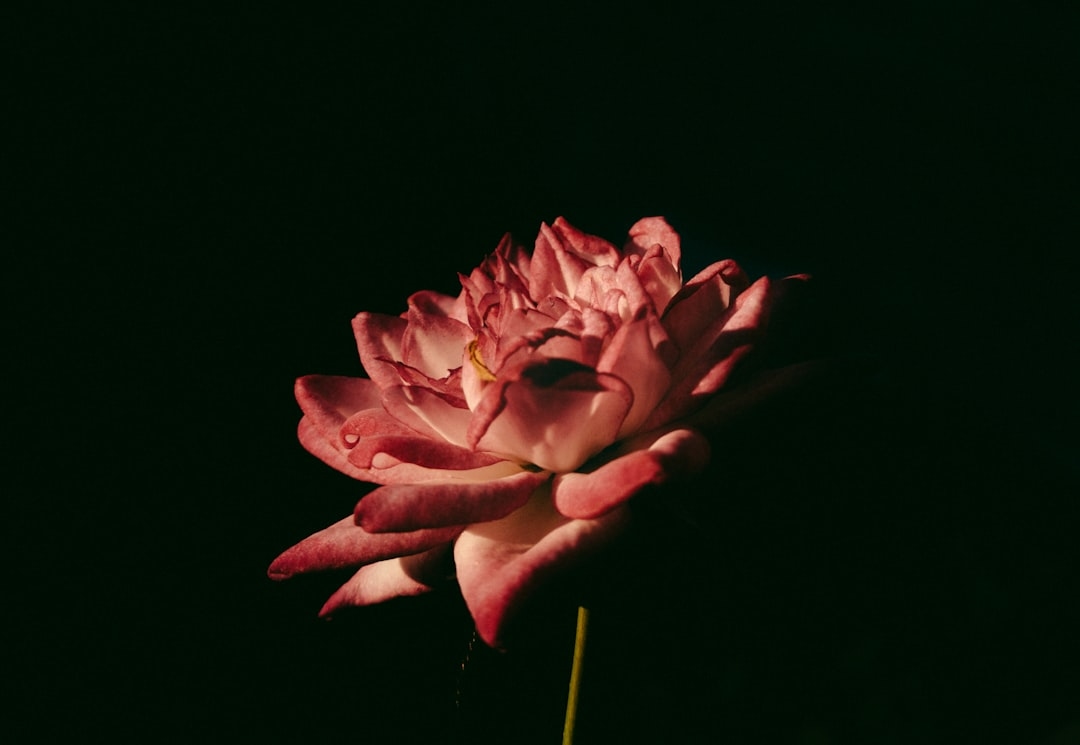
Dark and moody flower photography uses dramatic lighting, deep shadows, and richly saturated colors to create images with emotional depth and vintage elegance. This style often features a limited color palette: think burgundy dahlias, plum ranunculus, and velvety black scabiosa contrasted against deep green foliage and inky backgrounds. Instead of bright, airy arrangements, you’ll find a focus on texture, drama, and chiaroscuro–a look inspired by Dutch Golden Age still lifes.
Key elements:
- Low, directional lighting (window light or off-camera flash)
- Matte and textural backgrounds (black velvet, dark wood)
- Rich, jewel-toned flowers: burgundy, violet, midnight blue, deep reds
- Heavy shadows, with highlights focused on petals’ textures
- Minimal props to keep the focus on the flowers
Why Dark and Moody Flower Photography Matters in 2026
Instagram’s 2026 annual trend report found that posts tagged #moodyflorals rose by 80% compared to 2024. “Florists are moving away from pastels and brights; clients want arrangements that feel grown-up and cinematic,” says Maya Lin, Creative Director at Petal Noir Studio in Los Angeles. In the US, moody bouquets now account for 40% of luxury floral orders on platforms like UrbanStems and BloomNation.
- Differentiate your floral business: Eye-catching dark and moody images stand out in crowded social feeds.
- Meet demand: American clients are requesting moodier palettes for weddings, events, and home decor.
- Timeless appeal: Inspired by Old Masters paintings, this photo style is both classic and modern.
“A moody floral shot can stop someone mid-scroll–it feels like more than a bouquet; it’s a piece of art.”
– Maya Lin, Petal Noir Studio
Choosing Flowers and Foliage for a Dark and Moody Look
The right flowers make all the difference. Not every bloom shines in dramatic lighting; some colors or shapes disappear in shadow, while others become irresistibly striking.
Best Flowers for Moody Arrangements
- Dahlias (Burgundy, ‘Black Satin’)
- Ranunculus (‘Cluny Black,’ deep reds)
- Roses (‘Black Baccara,’ ‘Falco’)
- Scabiosa (‘Black Knight’)
- Lisianthus (deep purple)
- Chocolate Cosmos
- Calla Lilies (black, eggplant, deep red)
- Dark Hellebores
- Peonies (dark wine colors)
- Anemones (navy blue, deep violet)
Essential Foliage
- Smokebush (Cotinus)
- Eucalyptus (seeded, silver dollar)
- Ruscus (Italian, Israeli)
- Sword fern
- Dark-leafed basil or coleus
Pro tip: Local US flower farms, like Floret in Washington or Grace Rose Farm in California, offer unique heirloom varieties perfect for this palette–especially during late summer and fall.
Creating the Perfect Dark and Moody Setup
Lighting is everything in this style. The goal: painterly shadows, not flat or harsh highlights.
Lighting Techniques
- Natural window light:
Position your arrangement near a north-facing window. Use blackout fabric or foam boards to block stray light, shaping a single soft beam across the blooms. - LED panels or continuous lights:
Set to low intensity, and always use a diffuser. Brands like Godox and Neewer make affordable options for under $100. - Off-camera flash:
Set at a low angle–think Caravaggio, not party selfie.
Backgrounds and Surfaces
- Black velvet for a classic Dutch painting look.
- Matte painted wood or concrete slabs for a moody, modern twist.
- Aged brass or pewter trays for tabletop context–try searching Etsy for vintage finds.
Comparison Table: Light vs. Dark Flower Photography
| Feature | Bright & Airy | Dark & Moody |
|---|---|---|
| Lighting | Even, soft, all-over | Directional, shadow |
| Colors | Pastels, light shades | Deep, saturated |
| Backgrounds | White, natural | Black, gray, wood |
| Mood | Cheerful, fresh | Dramatic, elegant |
| Main Season | Spring, summer | Fall, winter |
| Photo Example | Peonies in daylight | Dahlia in shadow |
Getting the Most from Your Camera or Phone
The best camera is the one you have, but settings can make or break a moody floral shot.
For DSLR/Mirrorless
- Manual mode:
Start with f/2.8 (for dreamy blur), ISO 200, shutter speed 1/160. Adjust to taste. - Shoot RAW:
Gives maximum control in editing shadows and highlights. - Focus on the focal bloom:
Let outer flowers fall into darkness for depth.
For Smartphones
- Use Pro/Manual Mode:
On iPhone 15 or Samsung Galaxy S25, set exposure to bring out shadows. - Third-party apps:
Halide (iOS) or Camera FV-5 (Android) offer more manual control. - Stabilize:
Use a mini tripod to avoid blur, as lower light means longer exposure.
Composition Tips
- Leave negative space–don’t cram the frame.
- Look for natural curves and “S” shapes within stems and petals.
- Try overhead, side, and 45-degree angles to find dramatic light pockets.
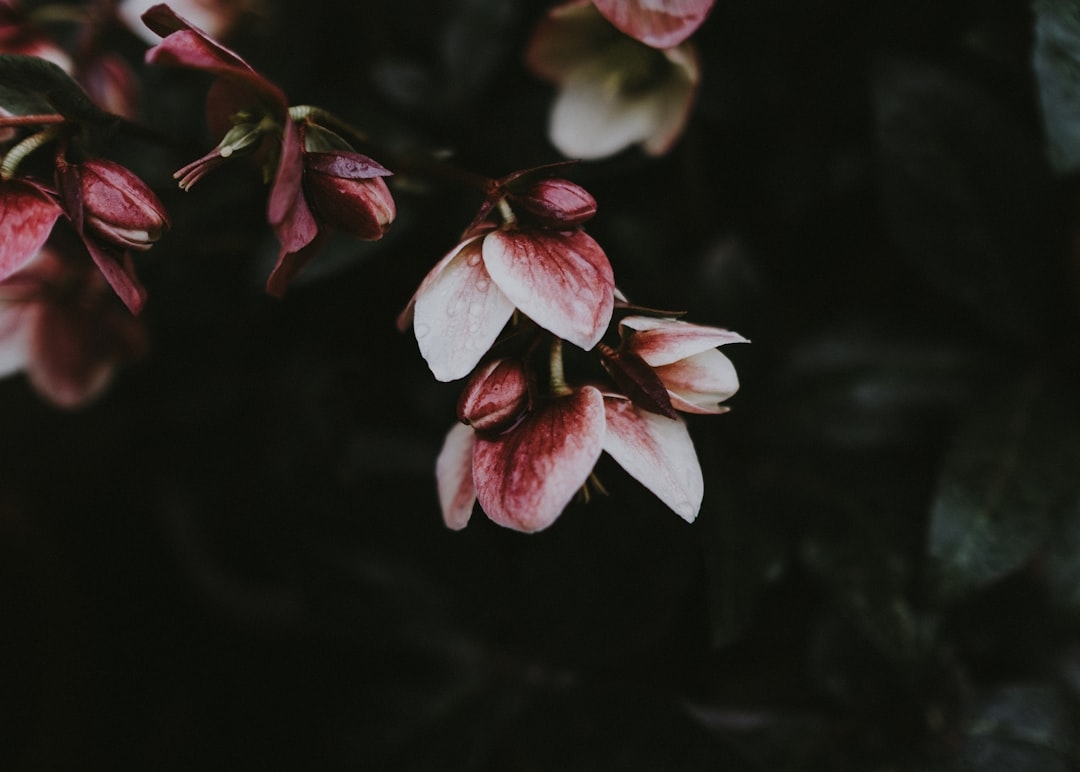
Post-Processing: Editing for Drama
Editing pulls out subtle tones and enhances drama.
Recommended Apps
- Lightroom (desktop or mobile):
Essential for fine-tuning exposure and color. - VSCO:
Moody filters like A4, M5, or G3 create fast impact. - Snapseed:
Use the Selective tool to darken backgrounds without muddying petals.
Key Editing Moves
- Lower exposure overall, then raise highlights only on petals.
- Increase contrast and clarity to enhance texture.
- Adjust white balance cooler for a mysterious mood, or slightly warmer for old-world romance.
- Desaturate greens a bit so they don’t overpower rich reds and purples.
“Editing is where the magic happens–it transforms good shots into gallery-worthy art,”
– Jayden Porter, Senior Designer, Calla & Ash Florals
Styling for Social and Portfolio Use
You’ve shot and edited your moody masterpiece–now share it smartly.
Posting to Instagram & Pinterest
- Use hashtags like #darkflorals, #moodybotanicals, and #stilllife2026
- Prefer landscape or vertical shots for Pinterest; square or vertical for Instagram
- Watermark tastefully in a bottom corner (use Canva or Photoshop)
Building a Portfolio
Curate a moody floral section on your website. Case studies show florists with specialized “moody” galleries get 30% more wedding inquiry conversions in NYC and San Francisco, according to data from The Knot.
- Pair moody photos with romantic script fonts.
- Share before-and-after editing slides.
- Consider offering special “moody bouquet” packages in your US-based flower shop.
FAQ: Dark and Moody Flower Photo Style
What is the best light source for dark and moody flower photography?
A north-facing window with indirect sunlight gives soft, directional light that’s perfect for dark and moody flower photos. For artificial lighting, use a dimmable LED panel with a diffuser to mimic this effect. This creates deep shadows and highlights that make blooms pop.
Which flowers work best for moody flower photography?
Richly pigmented flowers like burgundy dahlias, ‘Black Baccara’ roses, black scabiosa, deep purple lisianthus, and chocolate cosmos are ideal. Pair with dark foliage like smokebush or ruscus for stunning contrast.
Do I need special equipment to get the moody look?
Any camera or smartphone can work, as long as you can control exposure and focus. A tripod, black velvet cloth, and a foam board to block extra light help create stronger shadows and vivid contrasts.
How do I edit photos for a moody floral effect?
Lower overall exposure and increase contrast in editing apps like Lightroom or VSCO. Emphasize highlights on petals and adjust colors to enhance deep reds, purples, and dark greens. Avoid making blacks too “crushed”–retain texture in shadows for a painterly vibe.
Why is the moody flower style so popular in 2026?
Moody florals resonate because they feel dramatic, elegant, and timeless–mirroring popular trends in American home decor and weddings. With social media feeds full of pastels and brights, deep-toned images feel fresh and arresting, matching a cultural moment that prizes authenticity and individuality.
Before your next arrangement, experiment with a single dramatic flower and a patch of afternoon shade. The magic of moody floristry isn’t about fancy gear–it’s about seeing flowers, and their shadows, in a bold new way. Find your palette, play with the light, and watch your floral art–and your portfolio–bloom dark and beautiful.