Contents:
- Quick Answer: How Many Magnolia Varieties Are There?
- Magnolia Overview: A Family with Deep Roots
- Major Magnolia Species Native to the United States
- Asian Magnolias and Their Hybrids: The Heart of Modern Floristry
- The Saucer Magnolia Boom
- Unique Asian Species in US Gardens
- Cultivars, Hybrids & The Real Number of Magnolia Varieties
- A Small List of Popular Cultivars
- Magnolias in Floristry: Which Varieties Are Used in Bouquets?
- Sourcing Flowers for Arrangements
- Seasonality and Availability
- Rare, Unusual, and Dwarf Magnolias for Collectors
- Magnolia Varieties and US Climate–What Grows Where?
- Hardiness Table: Common Magnolia Varieties in US Zones
- FAQ: Magnolia Varieties in the US
- How many types of magnolia are there worldwide?
- What is the most common magnolia tree in the US?
- Are there magnolias that grow in cold climates?
- What is the largest-flowered magnolia?
- Can I grow a magnolia in a container?
- Ready to Choose Your Magnolia?
How Many Varieties of Magnolias Actually Exist?
Picture this: a century-old Southern magnolia tree, its branches dripping with creamy, lemon-scented blossoms as large as dinner plates. Magnolia flowers have inspired poets, perfumers, and plant-lovers for generations. Yet, despite their fame, most Americans can only name one or two kinds. The truth? There are far more magnolia varieties than most people ever realize.
Quick Answer: How Many Magnolia Varieties Are There?
Globally, botanists recognize about 210 distinct magnolia species, but there are hundreds more named cultivars and hybrids available in the US nursery trade.
Of these:
- Around 8-12 species are native to the United States.
- Magnolia grandiflora (Southern magnolia) is the best known in the US.
- More than 250 named cultivars are commercially grown for American gardens and floristry in 2026.
So, if you’re shopping for a magnolia or planning a garden, you’re choosing from a vibrant catalog that goes far beyond the classic Southern symbol.
Magnolia Overview: A Family with Deep Roots
Magnolia is actually the genus name. It belongs to the Magnoliaceae family, which traces its lineage back over 95 million years–older than bees, according to Flora of North America! Botanists divide magnolias into two main groups:
- Evergreen magnolias: Keep their leaves year-round. Famous for large, waxy foliage and huge white blooms.
- Deciduous magnolias: Drop their leaves in fall. Their flowers usually appear before foliage, in a dramatic late-winter or early-spring show.
The genus includes both towering trees and compact shrubs, with species native to Asia, the Americas, and the Caribbean. In other words: a truly global bloom.
Major Magnolia Species Native to the United States
Want to go beyond Magnolia grandiflora? Here are a few uniquely American species:
| Species | Common Name | Flower Color | USDA Zones | Mature Height |
|---|---|---|---|---|
| Magnolia grandiflora | Southern Magnolia | White | 7-9 | 60-80 ft |
| Magnolia virginiana | Sweetbay Magnolia | Creamy White | 5-10 | 10-35 ft |
| Magnolia tripetala | Umbrella Magnolia | White | 5-8 | 15-30 ft |
| Magnolia macrophylla | Bigleaf Magnolia | Creamy White | 5-8 | 30-40 ft |
| Magnolia ashei | Ashe’s Magnolia | White | 6-9 | 15-20 ft |
| Magnolia fraseri | Fraser Magnolia | White | 4-8 | 20-40 ft |
| Magnolia acuminata | Cucumbertree | Greenish-Yellow | 3-8 | 50-80 ft |
| Magnolia pyramidata | Pyramid Magnolia | White | 6-9 | 20-40 ft |
Some, like the cucumbertree, are mostly grown for shade and foliage. Others, such as sweetbay, grace landscapes from Massachusetts to Florida with their lemony fragrance.
Asian Magnolias and Their Hybrids: The Heart of Modern Floristry
Many of the magnolia blossoms you see in American bouquets and gardens today trace their heritage to East Asia. Species like Magnolia denudata (Yulan) and Magnolia stellata (star magnolia) were imported in the 18th and 19th centuries, sparking centuries of hybridizing.
The Saucer Magnolia Boom
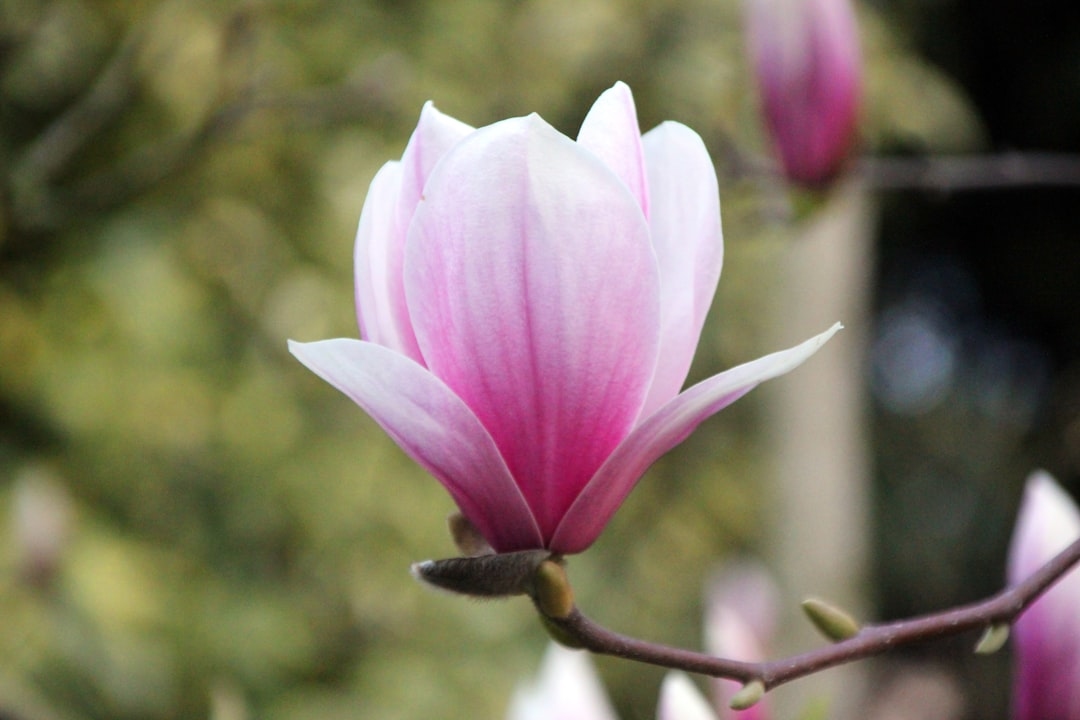
The most widely planted ornamental magnolia in the US today? The saucer magnolia (Magnolia × soulangeana), originally bred by French plantsmen around 1820. Growers have since selected dozens of cultivars for flower size, color, and bloom time. Standouts include:
- ‘Jane’: Rich burgundy buds opening to pale pink.
- ‘Alexandrina’: Large, cup-shaped mauve flowers.
- ‘Rustica Rubra’: Deep rose-pink blossoms.
Today, nearly every US nursery offers at least a handful of saucer magnolia selections.
Unique Asian Species in US Gardens
Other Asian magnolias with American fans include:
- Magnolia kobus (Kobus magnolia): Hardy to zone 4, fragrant white blooms.
- Magnolia sieboldii (Oyama magnolia): White petals with a crimson center, shade tolerant.
- Magnolia liliiflora: Smaller, upright, tulip-shaped magenta flowers – often used in hybridizing.
Cultivars, Hybrids & The Real Number of Magnolia Varieties
Here’s where things get complicated. While you’ll read “210 species,” the actual number of magnolia varieties available to gardeners, landscapers, and florists is much higher–thanks to:
- Named cultivars: Specific clones bred for traits like smaller stature, disease resistance, or unusual color. Example: ‘Little Gem’ is a dwarf form of Southern magnolia.
- Interspecific hybrids: Crosses between species, creating entirely new plants. Example: The “Loebner magnolia” (Magnolia × loebneri) – a cross of stellata and kobus.
“We log more than 250 different magnolia cultivars in stock each spring at our Midwest nursery, and demand for unusual forms like ‘Galaxy’ and ‘Butterflies’ is still climbing.”
– Rachel Stinson, Head Propagator, PrairieStar Plants, Illinois
A Small List of Popular Cultivars
- ‘Bracken’s Brown Beauty’ (compact, cold-hardy Southern magnolia)
- ‘Elizabeth’ (pale yellow blooms, Loebner hybrid)
- ‘Ann’ (late-blooming, deep purple-red)
- ‘Sweet Thing’ (compact, reblooms in summer)
And in 2026, nurseries like Monrovia, Bailey Nurseries, and local garden centers across the US are listing more new introductions than ever.
Magnolias in Floristry: Which Varieties Are Used in Bouquets?
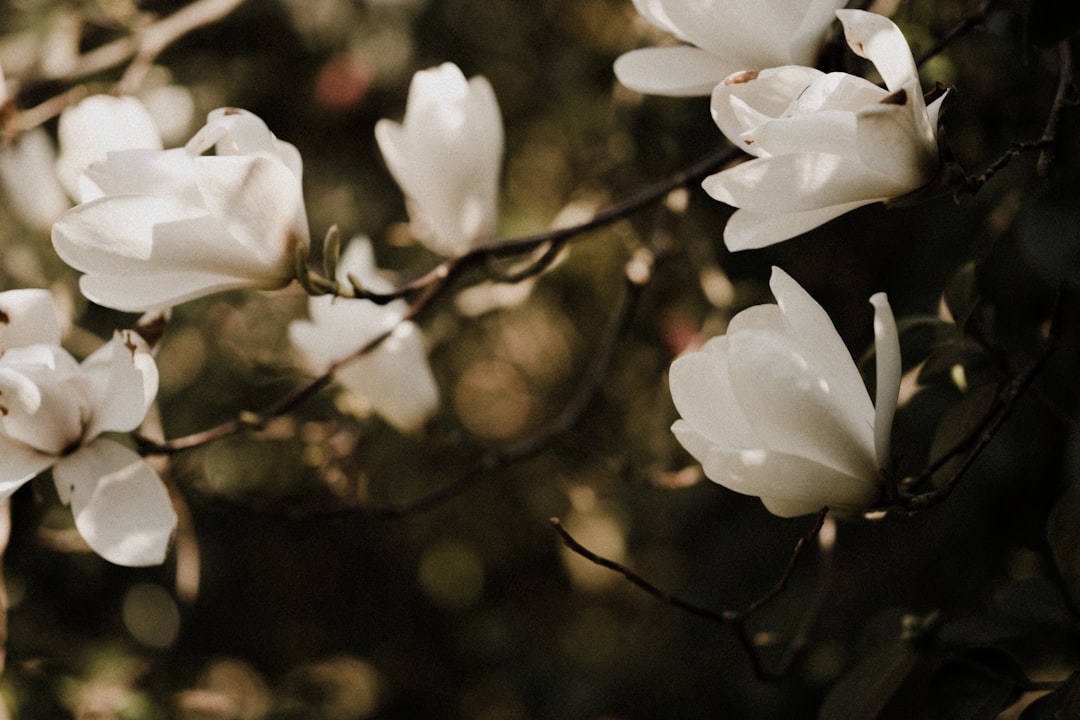
If you’ve swooned over a magnolia in a wedding bouquet or a luxury arrangement (think $95 and up for a single stem in New York or LA), you’re likely admiring petals from Magnolia grandiflora, Magnolia soulangeana, or imported Magnolia denudata.
Sourcing Flowers for Arrangements
American florists often source magnolia branches from specialty growers in the Southeast (especially Georgia and Mississippi) or West Coast. Southern magnolia foliage is prized for its glossy, two-toned leaves that hold up well without water.
Popular American flower delivery brands using magnolia foliage (2026):
- UrbanStems
- Farmgirl Flowers
- FTD (in “Southern Charm”-style arrangements)
Seasonality and Availability
Magnolia flowers themselves are notoriously fragile and short-lived. Most cut flowers appear in arrangements from March to June, coinciding with peak bloom. Magnolia foliage, however, is available year-round.
Rare, Unusual, and Dwarf Magnolias for Collectors
Not all magnolias are giants or come in classic white and pink. Enthusiast gardeners and collectors hunt for:
- Yellow-flowered hybrids: Like ‘Butterflies’ and ‘Yellow Bird’ – rare but increasingly popular, often costing $80-$140 for a young grafted plant.
- Miniatures: ‘Kay Parris’, ‘Teddy Bear’, and ‘Baby Grand’ (compact forms for containers and small spaces).
- Variegated-leaf forms: Still rare in the US market; expect to wait on specialty lists.
- Unusual flower shapes: ‘Genie’ (deep maroon, cup-and-saucer form); ‘Wada’s Memory’ (upright white petals).
“Demand for yellow magnolias is up 40% in our 2026 sales data, especially in urban gardens where space and novelty count.”
– Dr. Lin Song, Horticulture Director, American Magnolia Society
Magnolia Varieties and US Climate–What Grows Where?
Not every magnolia thrives nationwide. Gardeners need to match their selection to local conditions.
Hardiness Table: Common Magnolia Varieties in US Zones
| Variety | USDA Zone Range | Notable Feature |
|---|---|---|
| Southern Magnolia | 7-9 | Evergreen, huge blooms |
| Star Magnolia | 4-9 | Early bloom, smaller |
| Sweetbay | 5-10 | Wet-tolerant, fragrant |
| Loebner Hybrid | 4-9 | Cold-hardy, compact |
| Cucumbertree | 3-8 | Tall, shade trees |
| Yellow Hybrids | 5-9 | Novelty color |
Tip: For harsh Northern winters, star magnolia and Loebner types are the best bet.
FAQ: Magnolia Varieties in the US
How many types of magnolia are there worldwide?
There are about 210 recognized magnolia species worldwide, plus hundreds of named cultivars and interspecific hybrids.
What is the most common magnolia tree in the US?
The Southern magnolia (Magnolia grandiflora) is the most frequently planted magnolia species in the US, especially in the Southeast.
Are there magnolias that grow in cold climates?
Yes, varieties like star magnolia (Magnolia stellata), Loebner magnolia (Magnolia × loebneri), and cucumbertree (Magnolia acuminata) are hardy to zones 4 or even 3.
What is the largest-flowered magnolia?
Magnolia macrophylla (Bigleaf magnolia) produces the largest flowers of any native North American tree, up to 12 inches wide.
Can I grow a magnolia in a container?
Dwarf cultivars such as ‘Little Gem’ and ‘Baby Grand’ are suitable for large containers in most parts of the US.
Ready to Choose Your Magnolia?
With over 200 species, 250+ cultivars, and new hybrids released every year, magnolia trees remain one of America’s most diverse and rewarding plants for gardens and floristry alike.
The next time you visit a nursery or receive a lush bouquet, look a little closer–odds are, you’re seeing a variety with a unique story and heritage. Want to plant your own? Check local climate zones and try something beyond the “usual suspects.” With options spanning classic white, pale yellow, deep burgundy, and even compact forms, there’s a magnolia for nearly every garden, florist, and flower fan in the United States today.