Contents:
- Quick Answer: Flowers Least Likely to Aggravate Eczema
- How Flowers Can Affect Eczema
- Best Flowers for Eczema-Sensitive Individuals
- Orchids: The Hypoallergenic Superstar
- Roses: Not All Roses Are Equal
- Tulips: Beautiful (But Beware the Sap)
- Hydrangeas and Peonies: Puffy, Allergy-Safe Choices
- Lisianthus and Snapdragons: Delicate, Non-Irritating Blooms
- Flowers and Foliages to Avoid With Eczema
- Simple Tips for Handling Flowers When You Have Eczema
- Where to Buy Eczema-Friendly Flowers in the US
- FAQ: Flowers and Eczema
- What flowers are safest for people with eczema?
- Can you be allergic to flowers without having pollen allergies?
- Do artificial flowers cause skin irritation for eczema?
- Should I handle all flowers with gloves if I have eczema?
- Are dried flowers or grasses safe for sensitive skin?
- Planning Your Next Flower Arrangement With Confidence
Flowers That Won’t Aggravate Eczema: A Friendly Guide for Sensitive Skin
Picture this: a freshly delivered bouquet on your kitchen counter, sunlight streaming in, and- minutes later- an itch creeping up your arms. For eczema-prone skin, a vase of flowers can turn from beauty to discomfort fast. It’s not just pollen. Petals, stems, or even the sap can irritate sensitive skin. Yet, you don’t have to give up having flowers in your home. Florists and dermatologists have teamed up over the years to identify the best hypoallergenic flowers for people with eczema.
Quick Answer: Flowers Least Likely to Aggravate Eczema
People with eczema usually tolerate the following flowers best:
- Orchids (Phalaenopsis, Cymbidium)
- Roses (especially hybrid teas and spray roses)
- Tulips (handle with gloves)
- Hydrangeas
- Snapdragons
- Peonies
- Lisianthus
These options produce minimal airborne pollen, have smooth or waxy petals and stems, and release little to no scent or sap that irritates sensitive skin. Always wash your hands after arranging, and use gloves for extra precaution.
How Flowers Can Affect Eczema
Eczema, or atopic dermatitis, is a skin condition that makes your skin more reactive to irritants. According to Dr. Laura Yeung, MD, a dermatologist at Cedars-Sinai in Los Angeles, “Contact with certain pollens, floral sap, or even the tiny hairs on some stems can trigger flares in people whose skin barrier isn’t robust.”
Common flower-related triggers for eczema:
- Airborne pollen (especially from lilies, daisies, chrysanthemums)
- Sticky or milky sap (from poinsettias, euphorbias, or tulips)
- Strong floral scents (can be irritating to skin and respiratory system)
- Prickly textures (thistles, asters, sunflowers)
- Mold spores from decaying stems or leaves
Handling flowers without gloves can introduce these triggers to already sensitive skin, leading to redness, itching, or eczema outbreaks–sometimes within hours.
Best Flowers for Eczema-Sensitive Individuals
Orchids: The Hypoallergenic Superstar
Orchids, especially Phalaenopsis and Cymbidium, don’t release airborne pollen and rarely have irritating sap. They’re prized in medical offices for this reason. The American Academy of Allergy, Asthma, & Immunology even lists orchids as a top pick for allergy sufferers.
- Price: $25-60 for a single plant at national chains like Trader Joe’s or Whole Foods
- Care: needs indirect light, minimal watering
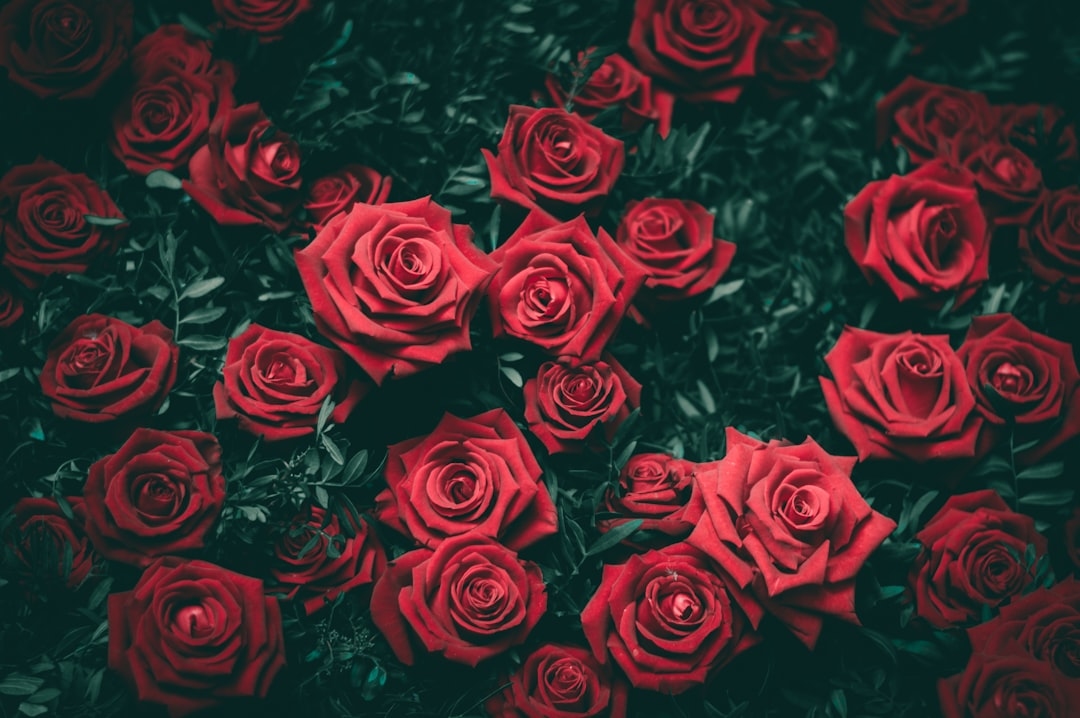
Roses: Not All Roses Are Equal
Hybrid tea roses, spray roses, and some garden roses are bred for minimal scent, dense petals, and low pollen shed. Dr. Henry Mills, lead horticulturist at Petals & Soil (a New York-based florist), says:
“Most modern roses sold in US shops in 2026 have tightly held pollen and don’t aggravate skin unless you’re handling the thorns.”
Choose varieties labeled “pollen-free” or “allergen-friendly” from local florists or services like UrbanStems.
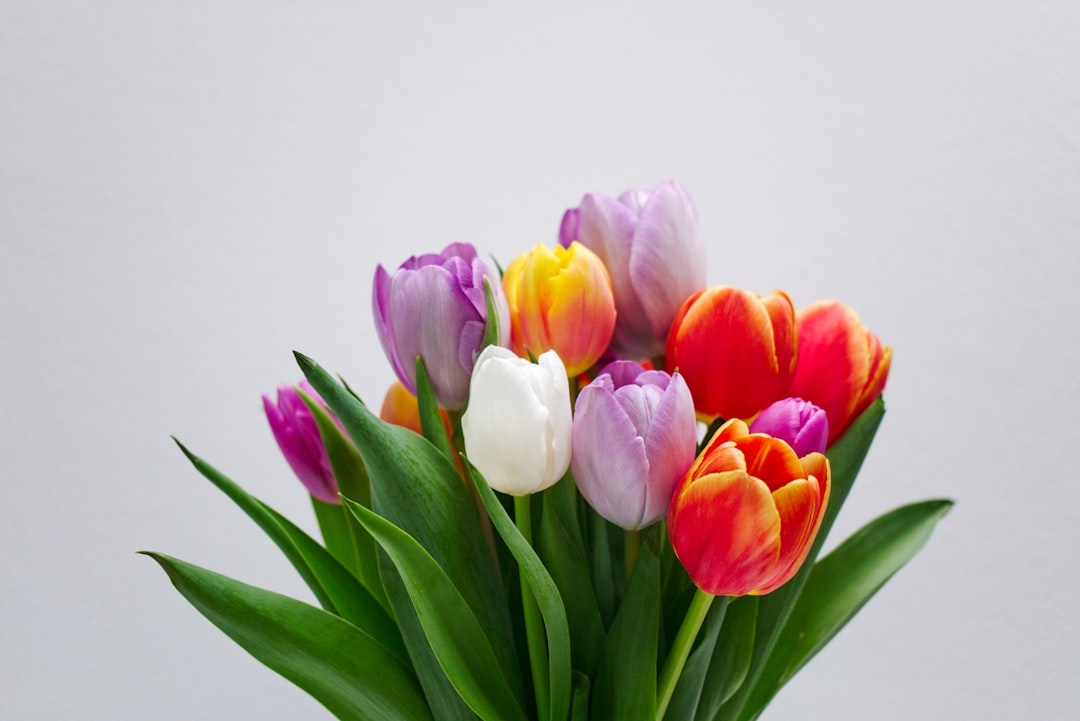
Tulips: Beautiful (But Beware the Sap)
Tulips are usually safe for display since their pollen is sticky and not easily airborne. However, the sap (especially from cut stems) can be a mild irritant. Always wear gloves when trimming tulips or placing them in a vase.
- Pro tip: Wash hands thoroughly after arranging tulips.
- Popular US varieties in 2026: ‘Menton’, ‘Queen of Night’, ‘Angelique’.
Hydrangeas and Peonies: Puffy, Allergy-Safe Choices
Their large, clustered blooms don’t shed much pollen into the air. Hydrangeas are nearly pollen-free. Peonies also have very little scent. Both make long-lasting, showy arrangements that are gentle on the skin.
Lisianthus and Snapdragons: Delicate, Non-Irritating Blooms
Snapdragons (Antirrhinum) and Lisianthus (Eustoma) are popular for their gentle petals and minimal pollen production. Leading florists often use these as substitutes for more irritating varieties in hospital bouquets.
- Lisianthus comes in shades of purple, white, and pink–ideal for soft spring displays.
Flowers and Foliages to Avoid With Eczema
Some common favorites can quickly turn a good day itchy:
| Irritant Flower | Why to Avoid for Eczema | Common US Use (2026) |
|---|---|---|
| Lilies | Heavy, airborne pollen | Easter, Sympathy |
| Chrysanthemums | Common allergen, strong scent | Fall bouquets |
| Sunflowers | Prickly centers, sticky pollen | Summer/Fall |
| Daisies (Asteraceae) | Airborne pollen, rough stems | Wildflower mixes |
| Euphorbias (Poinsettia) | Sap is a skin irritant | Christmas |
Foliages to skip:
- Ivy, especially English ivy (skin allergen)
- Eucalyptus (oily, aromatic)
- Pine or cedar branches (resin can be irritating)
Pull-quote:
“I’ve learned to double-glove for lilies and sunflowers, or just skip them altogether in my shop’s ‘sensitive skin’ arrangements.”
– Marybeth Ruiz, owner of Blossom & Co, Atlanta
Simple Tips for Handling Flowers When You Have Eczema
- Always use nitrile or latex-free gloves when arranging or trimming fresh stems.
- Choose tightly clustered or waxy-petaled blooms; these usually shed less pollen.
- Wash hands and wrists with a gentle, fragrance-free soap (like Vanicream, $8 at CVS) after handling plants.
- Avoid heavily scented bouquets, even if labeled “allergy friendly.”
- Store fresh stems in clean water and rinse vases regularly to prevent mold.
- If a rash or flare starts, use a barrier cream before any further contact, and consult your dermatologist.
Where to Buy Eczema-Friendly Flowers in the US
Several nationwide flower delivery services now offer “hypoallergenic” or “sensitive skin” bouquets. Searching for those keywords on US-based sites can help. Here are some reputable options (2026):
- UrbanStems: “Low-Allergen” and “No-Pollen” arrangements, overnight shipping to most US ZIP codes.
- The Bouqs Co.: Search filter for “Orchids,” “Roses” and “Peonies”; ships from California and Ecuador.
- Local florist chains like Teleflora and FTD: Specify “no lilies/sunflowers” when ordering for eczema sufferers.
Custom requests are welcome at most local flower shops–just ask your florist for bouquets using roses, orchids, peonies, hydrangeas, and lisianthus.
FAQ: Flowers and Eczema
What flowers are safest for people with eczema?
Orchids, roses, snapdragons, peonies, hydrangeas, and lisianthus are among the safest fresh cut flowers for people with eczema, as they have low pollen and minimal irritating sap.
Can you be allergic to flowers without having pollen allergies?
Yes. People with eczema may react not just to pollen, but to the sap, thorns, or fragrances of certain flowers. Even contact with some stems or leaves can trigger a skin reaction.
Do artificial flowers cause skin irritation for eczema?
Artificial flowers don’t produce pollen or sap, so they’re generally safer for eczema-prone skin. However, dust or chemical residues from storage and manufacturing can cause irritation–rinse or wipe down before displaying.
Should I handle all flowers with gloves if I have eczema?
It’s strongly recommended. Gloves provide a barrier against hidden sap, thorns, and pollen, greatly reducing eczema flare risk.
Are dried flowers or grasses safe for sensitive skin?
Dried flowers, pampas grass, and ornamental grasses can shed fine particles and dust, which are irritating for many eczema sufferers. If you must use them, choose sealed arrangements and keep them out of high-traffic areas.
Planning Your Next Flower Arrangement With Confidence
Eczema doesn’t have to signal the end of flowers in your home. Armed with smart choices–picking the right blooms, using gloves, and working with attentive florists–you can enjoy gorgeous bouquets with far less risk. For a real skin-safe treat, consider setting up a monthly delivery of orchids or peonies from a US flower service and see which varieties your skin likes best. And if a new flower does cause a reaction, jot down its name, so your next bouquet is even more tailored to you. Your skin, your scent, your blooms–no itching required.