Contents:
- Which Flowers Are Safe to Eat? [Featured Snippet]
- Why Eat Flowers? Americans and the Floral Food Trend
- Common Culinary Uses
- Safe Edible Flowers: Full List with Details
- Flowers to Always Avoid: The Dangerous Blooms
- Common Toxic (Unsafe) Flowers
- American Sourcing: How to Buy Edible Flowers Safely
- Certified Edible Flower Brands in the US (2026)
- Garden-Grown? Rules to Follow
- Flower Edibility Myths: Common Mistakes & Urban Legends
- Pull-Quote: Quick Tips for Eating Flowers
- FAQ: Safe vs Unsafe Edible Flowers
- Which common flowers are toxic if eaten?
- How do you identify edible vs unsafe flowers?
- Are grocery store flowers safe to eat?
- Can you eat flowers from your garden?
- Which edible flowers are best for decorating cakes?
- Ready to Add Edible Flowers to Your Table?
Safe vs Unsafe Edible Flowers: Complete List
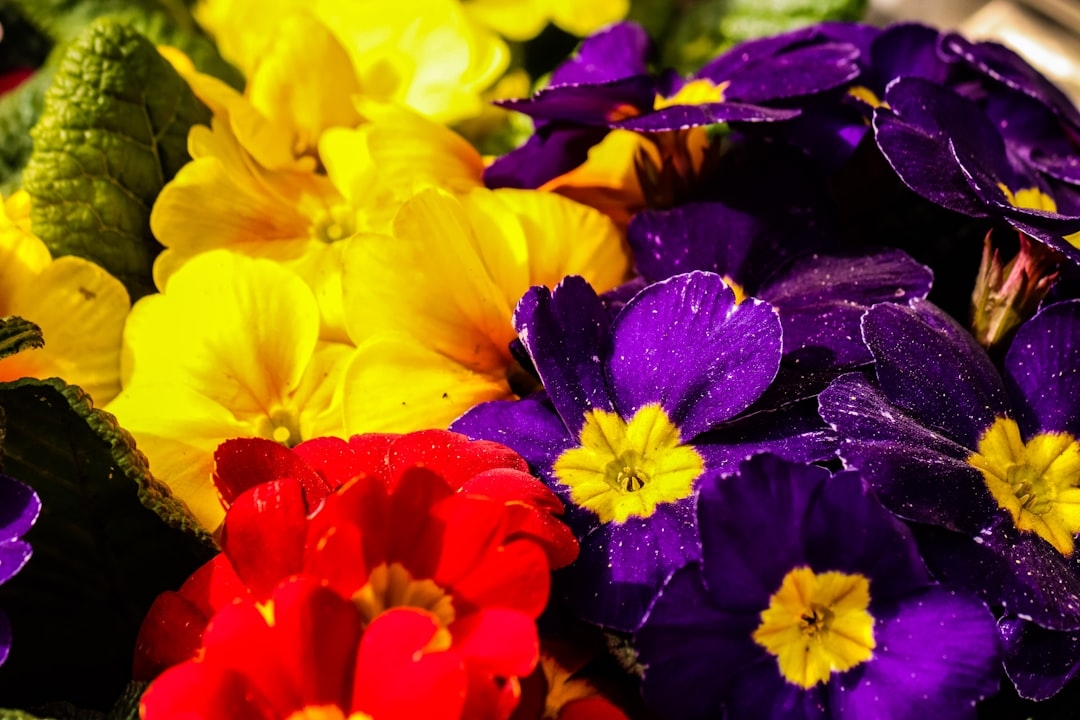
A handful of pansies tossed atop a salad looks whimsical, but were you double-checking which blooms landed in your bowl? Flower garnishes are more popular than ever–edible arrangements, floral cakes, and botanical cocktails fill US restaurant menus and Instagrams in 2026. But here’s the kicker: not every pretty petal plays nicely with your body. Some flowers that look good enough to eat are anything but.
Which Flowers Are Safe to Eat? [Featured Snippet]
Here’s a quick-reference list of safe versus unsafe edible flowers for culinary use:
Safe Edible Flowers (after confirming proper identification, growing conditions, and no chemical exposure):
- Nasturtium
- Pansy/Viola
- Calendula (Pot Marigold)
- Squash blossom
- Borage
- Violet (Viola odorata)
- Hibiscus (Hibiscus sabdariffa)
- Lavender (English or Munstead)
- Rose (Old Garden, heirloom varieties)
- Chamomile (Matricaria recutita)
- Chive Blossom
Unsafe (Toxic or Irritant) Flowers:
- Lily of the valley (Convallaria majalis)
- Foxglove (Digitalis)
- Oleander (Nerium oleander)
- Rhododendron & Azalea
- Hydrangea
- Daffodil (Narcissus)
- Delphinium
- Buttercup (Ranunculus)
- Calla lily
Always research each flower’s species and source before eating. Even ‘edible’ flowers can be unsafe if grown with pesticides or if portions are misunderstood.
Why Eat Flowers? Americans and the Floral Food Trend
Edible petals aren’t a new thing. Native American, European, and Asian cuisines have incorporated flowers for centuries. In 2026, the edible flower market in the US is pegged at $78 million, with more home cooks and bakers joining professional chefs in using blooms for flavor, fragrance, and flair. Florist-turned-edible expert Lila Weiss, owner of San Francisco’s FlorFlavors, says, “We have more access to safe, cultivated edible varieties now than ever before–so there’s no excuse to use a random yard flower.”
Common Culinary Uses
- Salad toppers (nasturtium, calendula)
- Floral syrups and jams (rose, violet, elderflower)
- Cake and pastry decoration (pansy, viola, borage)
- Cocktails and infused waters (hibiscus, lavender)
Safe Edible Flowers: Full List with Details
Choosing safe blooms starts with reliable identification and sourcing. Not all “edible” flowers are equal–some are flavorful, while others are simply decorative. Here’s a breakdown of the most popular edible flowers in the US, with notes on taste and usage.
| Flower | Flavor Profile | Best Culinary Uses | US Seasonal Availability |
|---|---|---|---|
| Nasturtium | Peppery, slightly sweet | Salads, sandwiches | April-October |
| Pansy/Viola | Mild, grassy | Desserts, salads | February-June |
| Calendula | Slightly bitter, tangy | Rice, salads, omelettes | Year-round (hothouse) |
| Chive Blossom | Oniony | Potato dishes, omelettes | May-June |
| Squash Blossom | Sweet, delicate squash | Stuffed, fried, soup | May-August |
| Borage | Cucumber-like | Cocktails, salads | May-September |
| Hibiscus | Tart, cranberry-like | Teas, syrups, cocktails | July-October |
| Rose | Perfumed, sweet | Jams, syrups, pastries | May-August |
| Lavender | Herbal, floral | Baked goods, syrups | June-August |
| Violet | Sweet, perfumed | Candies, salads, cookies | March-May |
| Chamomile | Apple-like, herbal | Tea, infusions | April-July |
<blockquote>
Lavender can polarize a room. “Too much and you’re eating soap. Use just a touch for desserts–especially with lemon flavors,” says pastry chef Darren Kim, 2026 James Beard finalist.
</blockquote>
Flowers to Always Avoid: The Dangerous Blooms
Not all flowers are friends to your digestive tract–or your heart, liver, or kidneys. Many ornamental plants popular in US gardens contain toxins dangerous to both humans and pets.
Common Toxic (Unsafe) Flowers
- Lily of the Valley: Even a small bite can cause irregular heartbeat and severe digestive distress.
- Foxglove: Contains digitalis glycosides; fatal in small amounts.
- Oleander: All parts highly toxic–cardiac effects.
- Rhododendron & Azalea: Honey made from these blooms (called “mad honey”) is also poisonous.
- Daffodil, Hyacinth, Tulip: Bulbs and flowers can cause severe gastrointestinal issues.
Note: Even touching some toxic blooms–like Delphinium or Buttercup–can cause skin irritation.
American Sourcing: How to Buy Edible Flowers Safely
Never pick flowers from roadsides or unknown yards: most urban soil and plants are exposed to pollution, pesticides, or animal waste. In the US, edible flowers are classed as specialty produce and can be ordered online or sourced from select florists, gourmet grocers (Whole Foods, Sprouts), and farmers’ markets.
Certified Edible Flower Brands in the US (2026)
- Fresh Origins: Many chefs’ choice for bulk edible flowers, leaves, and microgreens.
- Melissa’s Produce: Ships across the continental US, with clear “edible” labeling.
- UpRooted Farms NYC: Specializes in organic, pesticide-free edible blooms.
Price check: A 25-flower box for decorating cakes averages $18-$25 USD as of 2026.
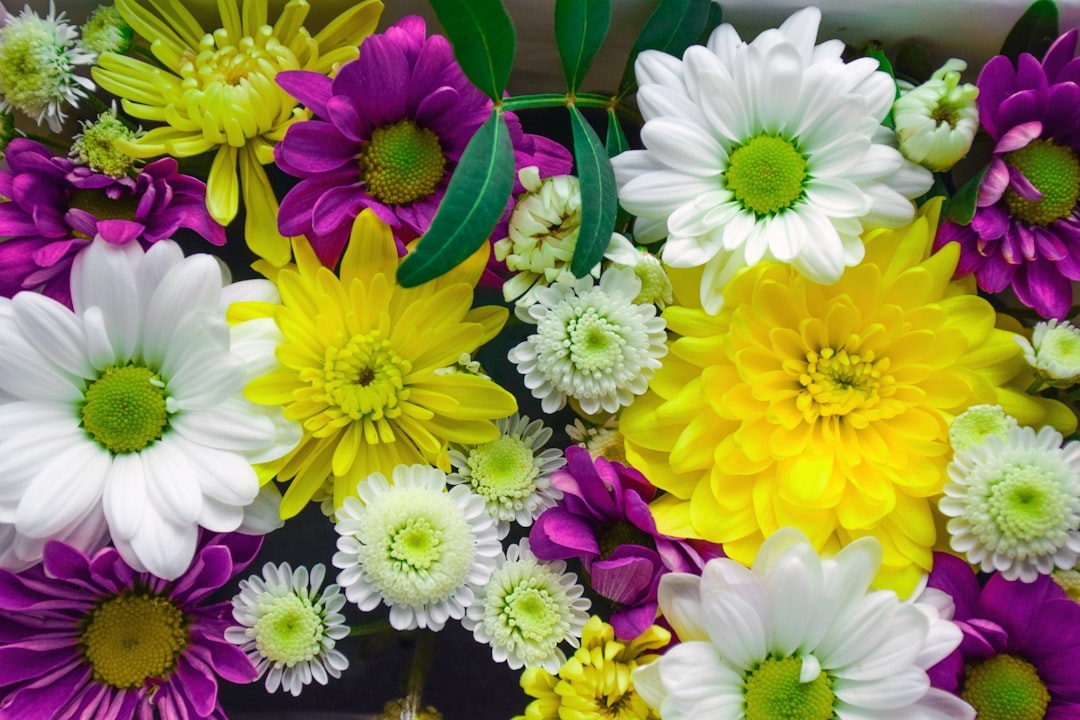
Garden-Grown? Rules to Follow
- Use only seeds marked “edible” (e.g., Baker Creek Heirloom Seeds’ edible flower range).
- Never use chemical fertilizers or pesticides not rated for edibles.
- Harvest in the morning for best flavor and appearance.
- Rinse flowers gently and inspect for insects.
Flower Edibility Myths: Common Mistakes & Urban Legends
A surprising number of flower types have similar common names but very different safety profiles. Marigold, for example, causes confusion: Calendula officinalis (pot marigold) is edible; Tagetes (common garden marigold) is not.
- “If it’s in a salad mix, it’s edible.” Not always: some decorative blends contain non-edible filler petals for color.
- “Organic means edible.” False. Some strictly ornamental flowers are toxic regardless of cultivation method.
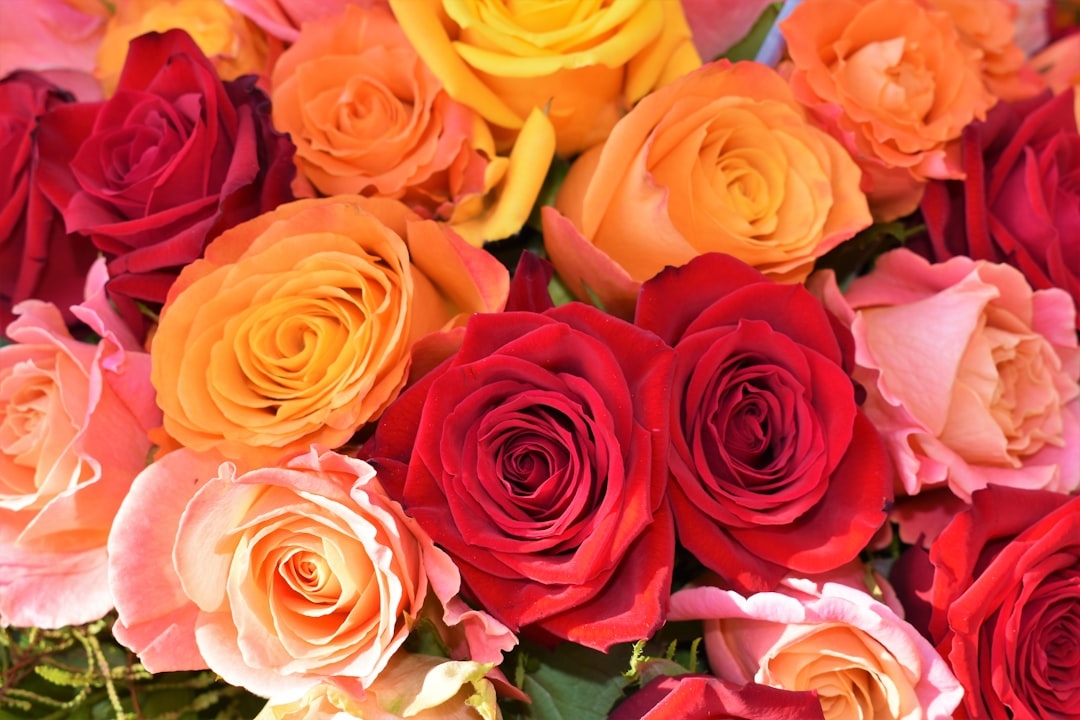
- “All rose petals are safe.” Only roses not sprayed with pesticides. Florist roses are almost always treated–never eat them.
Pull-Quote: Quick Tips for Eating Flowers
Not all beautiful flowers are edible, and not all edible flowers are tasty. Taste-test, source safely, and remember: when in doubt, leave it out.
FAQ: Safe vs Unsafe Edible Flowers
Which common flowers are toxic if eaten?
Many popular garden flowers in the US are unsafe. Lily of the valley, foxglove, oleander, rhododendron, daffodil, and hydrangea are all toxic if consumed. Even small amounts can cause severe symptoms or be fatal.
How do you identify edible vs unsafe flowers?
Rely on expert guidance, not just appearance. Double-check species names (Latin binomial), consult reputable guides or local horticulturists, and avoid any flower unless you’re 100% sure of its identity and growing history.
Are grocery store flowers safe to eat?
No. Most grocery store and florist flowers are grown for appearance, not consumption. They often contain pesticide residues or preservatives that aren’t edible. Only eat flowers labeled specifically as “edible” and verified as untreated.
Can you eat flowers from your garden?
Only if you started with edible flower seeds, didn’t use any chemicals not rated for food crops, and can positively identify the species. Even then, taste-test in small amounts first, as allergies can happen.
Which edible flowers are best for decorating cakes?
Pansies, violas, nasturtium, borage, and rose petals are popular, safe picks for cakes. Make sure they’re specifically grown for culinary use and haven’t been chemically treated.
Ready to Add Edible Flowers to Your Table?
Take your next salad, cake, or cocktail up a notch by trying a few edible blooms–sourced the right way. Start with well-known safe choices like pansies or nasturtium from reputable US sellers. As with mushrooms, treat flower foraging and eating as a culinary adventure with rules. Wondering what more your garden can yield? Consider planting a dedicated edible flower bed–just check each species first, and savor both the beauty and flavor, safely.