Contents:
- Quick Answer: What Is Florist Freelancing for Events?
- Why Event Florist Freelancing Is Surging in the US
- Flexibility and Creative Control
- Income Potential
- Rising Demand for Bespoke Florals
- How to Get Started as a Freelance Florist for Events
- Hone Your Skills and Style
- Legal & Logistics Essentials
- Sourcing Flowers
- Build Relationships
- Pricing Your Work
- Comparing Freelance Floristry to Shop-Based Work
- Mastering the Logistics: Event Day Success
- Pre-Event Preparation
- Setup and Execution
- Teardown and Waste Management
- Building a Standout Event Florist Brand
- Strong Social Media Presence
- Portfolio and Testimonials
- Differentiation Tactics
- The Financial Reality: Costs, Profits, and Growth
- Managing Costs
- Tracking Profits
- Scaling Up
- Pull-Quote
- Frequently Asked Questions
- How much does a freelance event florist earn in the US in 2026?
- Do you need special certification to be a freelance event florist?
- What are the biggest challenges freelance florists face for events?
- Can you freelance as a florist without a storefront in the US?
- Where do US freelance florists source flowers for events?
- Take Your First Step: Book an Event or Build Your Portfolio
Florist Freelancing for Events: A Guide to Blossoming in the American Event Scene
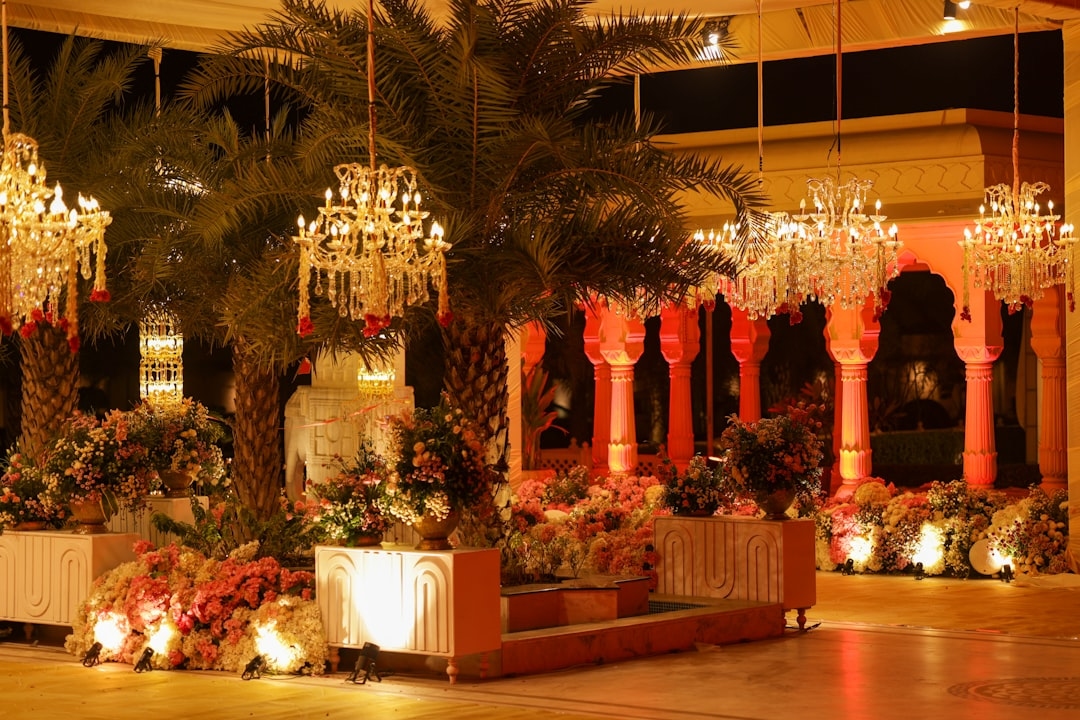
A wedding arch draped in white ranunculus and blush peonies. A birthday dinner set off by wild spring bouquets, local dahlias tumbling onto crisp linen. Behind each breathtaking floral display at American events in 2026, there’s often not a big-name shop–there’s a freelance florist, hands-on, hustling, and loving every fragrant minute. The freelance floristry market is booming, with platforms like Thumbtack reporting a 34% increase in event florist bookings year-over-year in the US. If you’re considering a floral side gig or want to level up your solo business, understanding the realities, dollars, and blooming potential of florist freelancing for events is essential.
Quick Answer: What Is Florist Freelancing for Events?
Florist freelancing for events is providing custom floral designs–like bouquets, centerpieces, installations, and floral arches–for occasions such as weddings, corporate gatherings, parties, and special events as an independent contractor rather than a traditional flower shop employee. Freelance florists often work on a per-event basis, managing sourcing, design, delivery, setup, and breakdown themselves or with a small team. Many operate out of home studios or co-op spaces, set their own rates (typically $600-$6,000+ per event in the US), and build a client portfolio through referrals, event planners, or marketplaces like The Bash and WeddingWire.
Why Event Florist Freelancing Is Surging in the US
Leaving a steady shop gig might sound risky. But in a 2026 survey by the American Institute of Floral Designers, 47% of US florists under age 40 now describe themselves as “freelance-first,” citing control, creativity, and higher profit margins as top motivators.
Flexibility and Creative Control
Freelancing lets you hand-pick projects. One week, it’s a micro-wedding in Santa Monica with native California poppies; the next, a tech company’s neon green launch party in New York City. There’s freedom in choosing your aesthetic and client roster–something many floral designers feel is missing in traditional retail shop settings.
Income Potential
According to floral consultant Jasmine Patel, AIFD, freelancers often net 40-60% more per event versus shop employees after costs, especially when targeting premium markets (think: $4,000+ floral budgets for mid-sized weddings in Boston or Chicago). In 2026, the average event freelancing project nets an independent florist between $1,200 and $4,800 after expenses.
Rising Demand for Bespoke Florals
Americans are spending more on personalized, Instagram-worthy event decor. Research firm IBISWorld projects US event spending on decorative florals to reach $6.5 billion in 2026, up 18% from 2023. Events–rather than everyday flower deliveries–now drive the majority of freelance florist incomes.
“Clients want flowers that feel like art, not a supermarket bouquet. Freelancers are filling that gap.”
–Lila Bernstein, Owner, Wild Muse Florals, Austin TX
How to Get Started as a Freelance Florist for Events
You don’t need a storefront or fancy degree (though local licensing and floral design courses help). Here’s what sets successful US event freelancers apart in 2026:
1. Hone Your Skills and Style
- Take a design-intensive workshop (e.g., with Mayesh Design Star or Floret).
- Volunteer as an event assistant to learn installations, wiring, and logistics.
- Build a portfolio–Instagram doubles as your visual resume.
2. Legal & Logistics Essentials
- Register as an LLC or sole proprietor (typically $50-$300 per state).
- Get floral business insurance–average $30/month through Hiscox or State Farm.
- Create a simple contract template for clients (signature via DocuSign or HelloSign).
- Set up invoicing–FreshBooks and Square are popular with US florists.
3. Sourcing Flowers
- Develop accounts with local wholesalers (e.g., Mayesh, FiftyFlowers, Florabundance).
- Supplement with farmer’s markets or urban farms–especially for “local-grown” events.
- Allow for flower price fluctuations; US rose prices jumped 14% in Valentine’s week 2026 due to logistics crunches.
4. Build Relationships
- Network with planners, photographers, and venues at industry events and online groups.
- List your services on The Knot, WeddingWire, and Thumbtack.
- “Styled shoot” collaborations are huge for exposure–think dreamy table setups with real cakes and models.
5. Pricing Your Work
- Calculate all costs: flowers, hardgoods, labor, delivery, taxes.
- Markup flowers around 3x wholesale (industry norm).
- Charge design and setup fees ($50-$150/hour for lead florist time).
- A typical event package (e.g., 12 centerpieces, bouquets, archway) ranges from $1,800-$6,000 in major US cities.
Must-Haves for Your First Event:
- Sturdy buckets and coolers
- Floral tape, wire, mechanics
- Transport bins and non-slip mats
- A reliable vehicle–many freelancers rent a van for large installs
Comparing Freelance Floristry to Shop-Based Work
| Aspect | Freelance Event Florist | Traditional Shop Florist |
|---|---|---|
| Schedule | Set by you, fluctuates by event | Set retail hours |
| Income Potential | Project-based, higher per event | Hourly or salaried |
| Overhead Costs | Lower (no storefront) | Higher (rent, utilities) |
| Creative Control | Full (choose style, clients) | Limited to shop offerings |
| Client Relationships | Direct, personal | Often transactional |
| Sourcing Flexibility | Chosen per event | Linked to shop’s suppliers |
| Marketing | DIY (social, referrals, platforms) | Managed by shop |
Mastering the Logistics: Event Day Success
Being a great event florist goes well beyond arranging flowers. The magic is in the logistics.
Pre-Event Preparation
- Confirm orders and timeline with the client and vendors one week out.
- Double-check floral quantities, vases, and hardware–order 10% extra of key blooms for last-minute changes.
- Prep mechanics: foam, chicken wire, pins assembled in advance.
Setup and Execution
- Arrive early. Most venues allow a 2-4 hour install window.
- Enlist at least one assistant for weddings or large installs.
- Hydrate arrangements on-site, especially during hot US summer events.
- Communicate with planners and other vendors–timing is everything.
Teardown and Waste Management
- Many venues require same-day removal of floral decor.
- Offer breakdown as an add-on ($100-$400 depending on size).
- Compost or donate leftover flowers–local charities like Random Acts of Flowers accept donations in major US cities.
Building a Standout Event Florist Brand
In the US, 78% of event clients find their florist via Instagram or Pinterest in 2026, according to a survey by Floral Marketing Fund. Your brand is your signature.
Strong Social Media Presence
- Post consistently, use US-geotagged hashtags (#brooklynflorist, #denverweddings).
- Share behind-the-scenes stories–clients love seeing the process.
- Collaborate with planners and photographers for styled shoot credits.
Portfolio and Testimonials
- Invest in simple but beautiful photography–smartphones work if you use natural light.
- Collect reviews on WeddingWire and Google My Business.
- Feature “before and after” shots for big installations.
Differentiation Tactics
- Specialize (e.g., eco-friendly florals, local-only flowers, maximalist arches).
- Offer unique add-ons: floral jewelry, pet collars, pressed flower keepsakes.
- Keep up with trends–bold color palettes and nontraditional textures are big in 2026 US events.
The Financial Reality: Costs, Profits, and Growth
Florist freelancing isn’t all wildflowers and sunshine. Success means mastering the business side.
Managing Costs
- Flowers: 30-50% of event price (US prices vary seasonally; peonies $4.00/stem in May, $7.00/stem in October).
- Hardgoods: vases, foam, wire–budget $100-$800 per event.
- Labor: pay assistants $20-$30/hour (2026 US averages).
- Transportation: van rentals $100-$250/day.
Tracking Profits
- Use bookkeeping apps like QuickBooks Self-Employed.
- Set aside 20-30% of income for US taxes.
- Most profitable months: April-June (weddings), December (holidays).
Scaling Up
- Reinvest in tools, coolers, and marketing.
- Consider hiring freelance assistants for large events.
- Some US freelancers expand into workshops or pop-up events for off-season income.
Pull-Quote
“Freelance floristry lets me be the artist, the project manager, and the business owner–all in a single weekend. No corporate rules, just petals and creative freedom.”
–Sierra Greene, Freelance Event Florist, Seattle
Frequently Asked Questions
How much does a freelance event florist earn in the US in 2026?
A US-based freelance event florist typically nets between $1,200 and $4,800 per event after costs, with high-end weddings or corporate events reaching $6,000 or more. On an annual basis, part-time freelancers can earn $20,000-$60,000, while full-timers in major metro areas might reach $80,000-$120,000, depending on workload and market niche.
Do you need special certification to be a freelance event florist?
No formal certification is required to freelance as an event florist in the US, but many successful freelancers complete design workshops (like those from the American Institute of Floral Designers) and local business licensing is generally required.
What are the biggest challenges freelance florists face for events?
Key challenges include unpredictable flower pricing, managing logistics on large event days, marketing to new clients, and handling the business tasks of contracts/bookkeeping. Reliable sourcing and building a solid vendor network are essential to overcoming these hurdles.
Can you freelance as a florist without a storefront in the US?
Absolutely. Most US event freelancers work from home studios, co-working spaces, or shared kitchens. No retail storefront is required–just a reliable workspace, cool storage, and transportation for event days.
Where do US freelance florists source flowers for events?
Freelance florists in the US primarily source flowers from wholesalers (like Mayesh, Florabundance, or local suppliers), with some supplementing from farmer’s markets, local growers, and urban flower farms–especially during peak US growing seasons.
Take Your First Step: Book an Event or Build Your Portfolio
The quickest way to break into event floristry isn’t waiting for the “perfect” client or studio. Take action–book your first event (even if it’s a friend’s baby shower), shadow an established freelancer, or post your first styled shoot on Instagram. The US event floristry market in 2026 is hungry for new voices, eye-catching designs, and fresh perspectives. Your next career move could be just one bouquet away.