Contents:
- Quick Answer: Why Are Peonies So Expensive in May?
- The Brief, Brilliant Peony Season
- Why May is Peony Month in the US
- Growing Peonies Isn’t Like Growing Roses
- Supply & Demand Collide: Mother’s Day, Weddings, and the Price Spike
- The Impact of Spring Celebrations
- The Flower Auction Factor
- Why Peony Farms Can’t Keep Up
- Limited US Acreage
- Long Wait for Rewards
- Harvesting is Labor-Intensive
- Importing Peonies: Who Grows Them and How Far Do They Travel?
- Major Exporters to the US
- Delicate Cargo
- The Magic and Madness of Peony Hype
- Social Media & “It” Flowers
- Exclusivity Sells
- How to Score Peonies Without Breaking the Bank
- FAQ
- How much do peonies cost in May 2026 in the US?
- Can I grow my own peonies to save money?
- Why are peonies cheaper later in the summer?
- Are peony prices ever likely to decrease?
- What’s the difference between peonies and similar-looking flowers?
- What’s Next for Peony Lovers?
Why Peonies Cost So Much in May
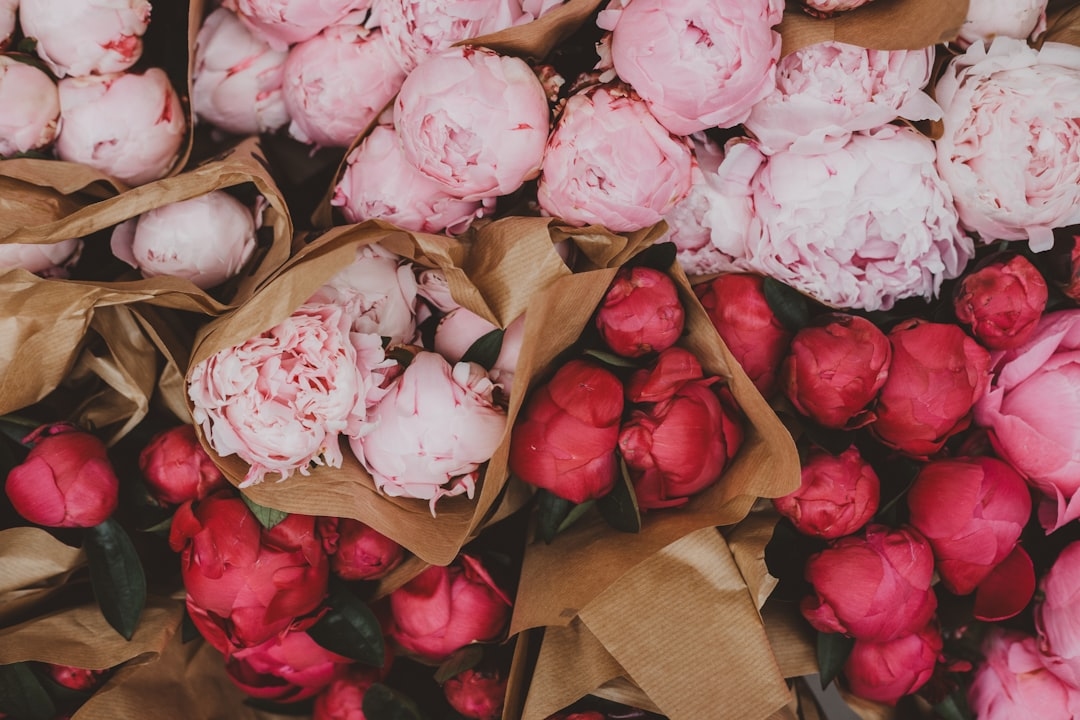
Picture a bustling weekend at the farmer’s market in Brooklyn. Buckets overflow with tulips, ranunculus, and–standing above the rest–heaps of pillowy, soft-pink peonies. Shoppers reach for them instantly, undeterred by stickers reading $18 per stem. Yes, per single bloom. Why are peonies, the unofficial queen of spring flowers, so incredibly expensive in May when they seem to be everywhere?
The truth comes down to biology, logistics, and a dash of American demand. Peonies aren’t just beautiful; they’re an object lesson in how seasonality, market hype, and the complex realities of flower farming collide.
Quick Answer: Why Are Peonies So Expensive in May?
Peonies cost so much in May because they have a short natural blooming season, require labor-intensive harvesting, and face surging demand around Mother’s Day and wedding season. Most US-grown peonies bloom for just 2-4 weeks each year; growers rush to pick, store, and ship them fast. Import supplies are limited, and shipping these delicate blooms from overseas–often from Holland, Chile, or Alaska–adds to the price. In May 2026, retail prices in the US range from $12-$20 per stem for premium peonies.
The Brief, Brilliant Peony Season
Why May is Peony Month in the US
Every year, American-grown peonies have a moment: late April through June, with the absolute peak in May. Most varieties are true to the season. They burst into bloom suddenly, all at once, and fizzle just as quickly. Krista Valenzuela, head grower at Sun Valley Floral Farms (Arcata, CA), says, “Peonies are all or nothing–blink and you’ll miss them. We get three, maybe four good harvest weeks.”
Growing Peonies Isn’t Like Growing Roses
Roses, lilies, or carnations can be forced in greenhouses for year-round supply. Peonies, on the other hand, need a long, cold winter to set buds and a very specific temperature swing to open. This limits large-scale, predictable production. According to the University of Alaska’s peony research program, a peony planted in Fairbanks won’t bloom until it’s seen at least 900 chilling hours below 45°F.
List: Flowers with the Shortest U.S. Harvest Windows
- Peonies: 2-4 weeks (late spring)
- Lilac: 2 weeks (early spring)
- Magnolia: 1 week (very early spring)
- Dahlia: 8-10 weeks (late summer/fall)
Supply & Demand Collide: Mother’s Day, Weddings, and the Price Spike
The Impact of Spring Celebrations
In the US, Mother’s Day reliably falls in May, right when peonies are at their best. Chase Flowers, a Minneapolis-based retail florist, says, “If I had 500 peony stems in my cooler each Mother’s Day, I’d sell every one–no matter what price I set. That’s how wild demand is.” In 2025, the National Retail Federation calculated Mother’s Day spending at $3.3 billion on flowers alone, with peonies ranking as a top request.
Wedding season, which kicks off in spring and crests through June, also pushes up prices. Pinterest boards and bridal magazines stoke the peony craze, making them a must-have for bouquets, centerpieces, and event decor.
The Flower Auction Factor
Most imported peonies pass through the Aalsmeer Flower Auction in the Netherlands–the world’s largest flower marketplace. On high-demand days in May, peony prices can double in a matter of hours. US wholesalers must outbid global buyers, then factor in airfreight to get fragile blooms across the Atlantic before they wilt.
| Flower | Peak US Season | Typical May Price (per stem) | US Import % (2026 est.) |
|---|---|---|---|
| Peony | May-June | $12-$20 | ~55% |
| Rose | Year-round | $2-$6 | ~65% |
| Tulip | Feb-April | $1-$3 | ~60% |
| Ranunculus | March-May | $3-$6 | ~30% |
Why Peony Farms Can’t Keep Up
Limited US Acreage
Unlike roses or carnations, peonies are still considered a specialty crop in most of the US. According to the USDA’s 2024 Floriculture Report, fewer than 300 commercial peony farms supply the national market, and most are small operations (less than 10 acres).
Long Wait for Rewards
Peony plants take patience. Once planted, they won’t produce marketable blooms for three to five years. “We’re always planting for the future,” says Casey Yen, co-owner of Hidden Hills Peonies (Oregon). “If we see a rush on blush-pink peonies this spring, we can’t plant more and harvest them next May. It doesn’t work that way.”
Harvesting is Labor-Intensive
Peony stems must be cut at the perfect “marshmallow” bud stage–firm but not fully unfurled. Each flower is cut by hand. Then, for export or shipment, every stem is graded, bunched, chilled, and packed. A single box of 100 stems can take three hours of labor.
“It’s like picking the exact moment a firework will go off. Too early and peonies won’t open; too late and they’ll shatter in transit.”
– Krista Valenzuela, Sun Valley Floral Farms
Importing Peonies: Who Grows Them and How Far Do They Travel?

Major Exporters to the US
During off-season months, most peonies in American shops are flown in from Chile, Israel, or New Zealand–where the growing season is opposite to ours. But in May, Dutch peonies rule. The Netherlands leads the way in peony exports, followed by emerging regions like Alaska, which ships blooms from June to August (and commands even higher prices).
- Holland: The world’s largest cut-flower exporter. Dutch peonies travel up to 4,000 miles to reach the US and must be kept between 33°F-36°F the whole way.
- Alaska: Unique climate means US-grown peonies are available after lower-48 states’ bloom is over. But shipping from Anchorage is expensive, and harvests are small.
Delicate Cargo
Airfreighting flowers isn’t cheap. In 2026, FedEx International Economy rates for 50 lbs from Amsterdam to NYC hover around $900. Because peonies are so sensitive to heat and bruising, up to 15% of imported stems are rejected on arrival for quality flaws (Florists’ Review, March 2026).
The Magic and Madness of Peony Hype
Social Media & “It” Flowers
Instagram is full of #peonylove: pastel pink Sarah Bernhardt peonies dropping petals over vintage tablecloths, or bold coral Charm varieties glowing in sunset light. This kind of viral popularity has an impact: “[Peonies] are the avocado toast of the flower world,” jokes florist Dana Mercer, referencing the trend’s longevity and price elasticity.
Exclusivity Sells
Scarcity drives luxury. Tiffany & Co. doesn’t sell $20 necklaces; peonies don’t sell at daisy prices. In fact, some florists have begun offering “peony subscriptions”–delivering a handful of stems each week during May and June, at rates of $100-$200 per month.
How to Score Peonies Without Breaking the Bank
- Shop local: Often fresher and cheaper than imports. Visit farmers’ markets early in the morning.
- Buy closed buds: Cheaper and last longer–let them open at home.
- Mix and match: Pair a few peonies with less-pricey blooms like lisianthus or spray roses to stretch your budget.
- Avoid peak days: Prices surge before Mother’s Day and major holidays.
FAQ
How much do peonies cost in May 2026 in the US?
In May 2026, retail peony prices range from $12 to $20 per stem at florists or online. Bulk orders for weddings may bring prices slightly lower, but $10-$15 per stem is typical even for wholesale purchases.
Can I grow my own peonies to save money?
Absolutely. Homegrown peonies are cost-effective after the first few years, but they require patience: plants need 3-5 years to mature and bloom heavily. Peonies thrive in USDA zones 3-8.
Why are peonies cheaper later in the summer?
Late-summer peonies are imported from Alaska, whose unique climate causes them to bloom after other US regions. However, shipping costs are higher, so prices don’t always fall; if anything, they can rise due to scarcity.
Are peony prices ever likely to decrease?
Unlikely in the near future. As demand continues to soar, US acreage remains limited and labor costs rise. Technology may help with shipping, but seasonality and exclusivity keep prices high.
What’s the difference between peonies and similar-looking flowers?
Peonies have large, soft, multi-petal blooms, usually 4-6 inches across. They’re often confused with garden roses or ranunculus, but peonies have a unique, sweet fragrance and a limited, seasonal bloom window.
What’s Next for Peony Lovers?
Want to get around spring price spikes? Plan ahead: preorder from your favorite local florist a month out, or plant your own peony roots this fall. Watch for emerging varieties from US breeders–exciting new colors and longer-lasting blooms are on the horizon. And if you’re hosting a celebration, let the peony set the scene…but don’t be afraid to mix in other seasonal favorites. After all, floral style is about creativity–not just cost.