Contents:
- Quick Answer: Why Do Certain Flowers Represent Certain Seasons?
- The Natural Bloom Cycles: Nature Sets the Stage
- What’s Growing Right Now?
- Hothouses, Imports, and the Modern Twist
- Culture and Ritual: The Roots Run Deep
- The Holiday Connection
- The Language of Flowers
- The Power of Marketing: Floristry Shapes Traditions
- Advertising and the American Floral Industry
- Imports Reshape Expectations
- Memory, Nostalgia & Sensory Triggers
- Regional Differences: One Country, Many Flower Calendars
- Notable Regional Pairings
- Sustainability & Local Flower Movements
- Why Choose Local, Seasonal Flowers?
- FAQ: Why We Associate Flowers With Certain Seasons
- Why do tulips symbolize spring?
- Why are poinsettias linked to Christmas?
- Can you get peonies or sunflowers year-round in the US?
- Do different US regions have different flower seasons?
- How does buying seasonal flowers help the environment?
- Looking Ahead: Make Your Next Bouquet a Seasonal Celebration
Why We Associate Certain Flowers With Certain Seasons
A vase of tulips on a late March morning. Chrysanthemums tucked into a Thanksgiving centerpiece. Americans spend over $8.5 billion each year on cut flowers, and it’s no accident which blooms fill our homes in winter, spring, summer, or fall. Our choices aren’t about random preference–they’re rooted in centuries of tradition, agricultural cycles, cultural meaning, and, yes, marketing. The connection between flowers and seasons isn’t just about what’s in bloom. It’s about memory, symbolism, and the secret language of petals.
Quick Answer: Why Do Certain Flowers Represent Certain Seasons?
Certain flowers are associated with specific seasons mainly because of their natural blooming cycles, cultural traditions, and historical symbolism. For example, tulips signal spring because they bloom as winter fades, while poinsettias are linked to winter holidays due to both their December peak and their role in Christmas lore. Over time, florists, gardeners, and marketers have reinforced these seasonal associations in the US through advertising, holiday traditions, and social rituals.
The Natural Bloom Cycles: Nature Sets the Stage
What’s Growing Right Now?
In the US, vast differences in climate–from Florida’s subtropics to Vermont’s snows–shape which flowers bloom when. Most of the most popular seasonal flowers owe their associations to when they naturally burst forth in local gardens.
- Spring: Daffodils, tulips, hyacinths, forsythia
- Summer: Sunflowers, roses, lilies, zinnias
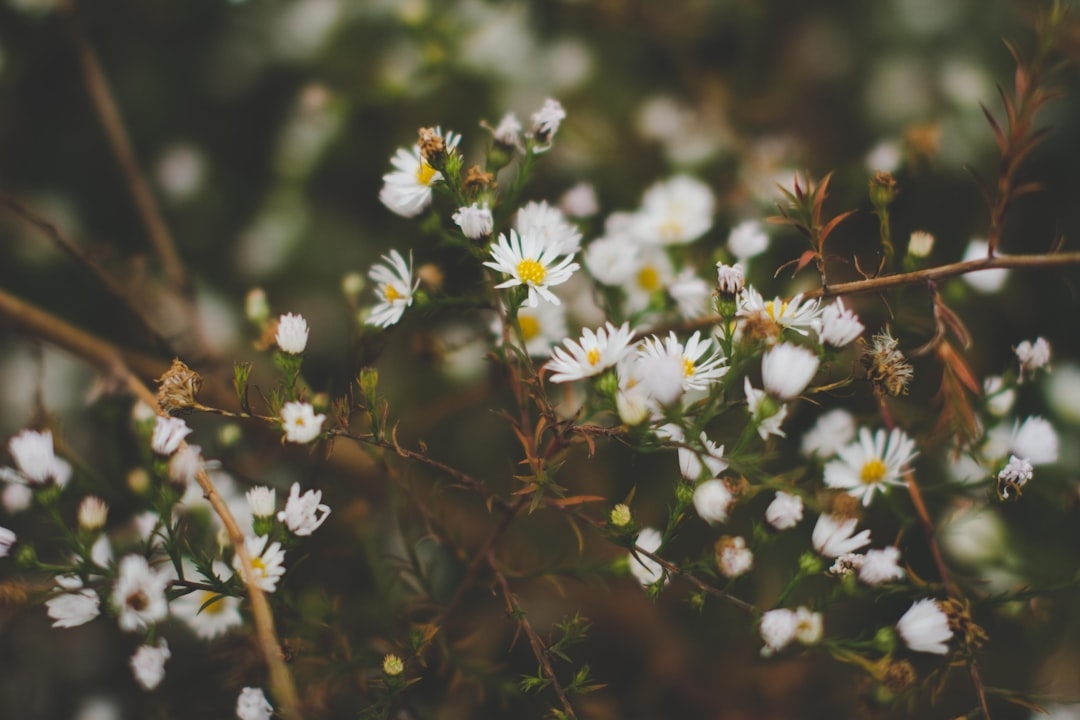
- Fall: Chrysanthemums, asters, dahlias
- Winter: Poinsettias, amaryllis, evergreens
Flower farmer Kayla Moses, owner of Willowbrook Blooms in Ohio, points out, “Tulips are among the first color many northerners see after winter, so they instantly signal spring’s arrival.”
Hothouses, Imports, and the Modern Twist
Global flower shipping and heated greenhouses have blurred strict seasonal boundaries. In 2026, you can buy peonies in December via 1-800-Flowers–flown in from the Southern Hemisphere for $75 a bouquet. But local, in-season blooms are often more fragrant, less expensive (by up to 60%), and last longer in the vase.
Culture and Ritual: The Roots Run Deep
The Holiday Connection
Some flower-season pairings are inseparable from holiday traditions:
- Poinsettias & Christmas: Since the 1850s, these Mexican natives have been a December staple. By 2026, 90% of all poinsettias sold in the US are purchased in the six weeks before Christmas (source: American Floral Endowment).
- Chrysanthemums & Thanksgiving: Their rich golds and burgundies fit autumn palettes, making them favorites for November tables.
The Language of Flowers
Florists still use the “floriography” made popular by Victorians: roses for love, lilies for purity, sunflowers for adoration. These meanings get seasonal twists. For instance:
- Red roses: Peak around Valentine’s Day but bloom all summer–marketing has made them a February symbol.
- Lilies: Frequently seen at Easter due to their symbolism of rebirth.
“When you give someone a flower in-season, it resonates on an intuitive, almost emotional level,” says Sarah Kim, a certified floral designer at Brooklyn Stem Studio.
The Power of Marketing: Floristry Shapes Traditions
Advertising and the American Floral Industry
In the 20th century, companies like FTD and ProFlowers created powerful links between specific blooms and holidays. Super Bowl ads for Valentine’s roses. Mother’s Day campaigns for spring bouquets. This repetition cements our expectations.
| Flower | Common US Holiday | Peak Blooms (US) | Average US Price (2026) |
|---|---|---|---|
| Tulip | Easter | March-May | $30/dozen |
| Rose | Valentine’s Day | June-Aug | $60/dozen (Feb) |
| Sunflower | Fourth of July | July-Sept | $25/bunch |
| Poinsettia | Christmas | Dec-Jan | $19-$40 (plant) |
Imports Reshape Expectations
Did you know that 81% of fresh flowers sold in the US are imported, mostly from Colombia and Ecuador? This means American consumers expect access to favorite blooms year-round–even if their own gardens are under snow.
Memory, Nostalgia & Sensory Triggers
Why does the scent of lilacs make some of us think of graduation? Why do orange marigolds conjure up autumn afternoons? Researchers at Cornell University found that scent-linked memories are 35% stronger than those triggered by sight alone. Seasonal flowers often serve as emotional markers–reminders of family gatherings, changes in weather, and life’s milestones.
- High school graduations (late May-June): Peonies and lilacs in the Midwest.
- Fall weddings: Sunflowers, dahlias, and mums for their deep, rustic hues.
“Arranging seasonal flowers is like cooking with local produce. The smells, sights, and even the feel connect us to a specific moment in time,” shares Michael Nguyen, lead designer at Petal & Vine, Los Angeles.
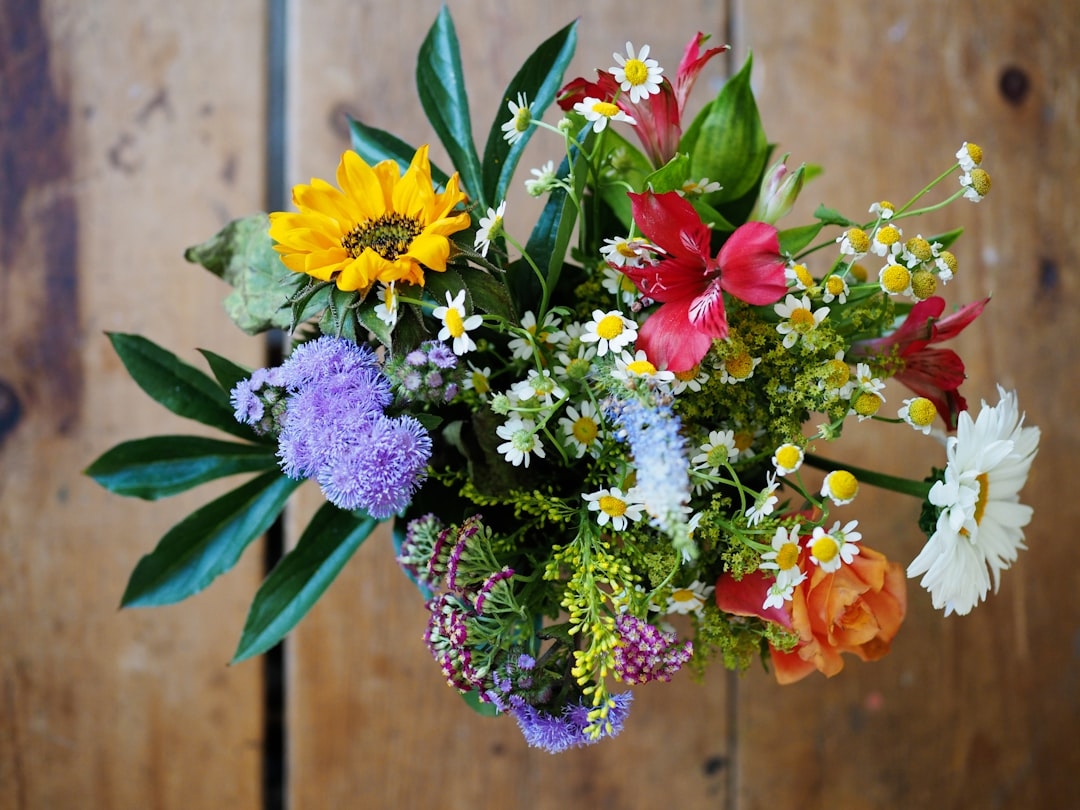
Regional Differences: One Country, Many Flower Calendars
The United States is big–so “seasonal” means different things in Phoenix compared to Portland, Maine.
Notable Regional Pairings
- Southeast (Florida, Georgia): Camellias in winter, gardenias in spring.
- Southwest (Arizona, New Mexico): Desert marigold, penstemon; wildflowers peak in April.
- Pacific Northwest: Rhododendrons, azaleas in early summer, dahlias in late summer.
- Northeast: Tulips and daffodils in spring, asters and mums in fall.
Sustainability & Local Flower Movements
In 2026, many American florists and consumers now prize “slow flowers” (locally grown, in-season, small-farm) for eco-conscious reasons. The Association of Specialty Cut Flower Growers reports a 25% jump in US-grown seasonal bouquet sales from 2023 to 2026. Buying seasonally supports small farmers and reduces the carbon footprint–plus, locally harvested blooms last longer.
Why Choose Local, Seasonal Flowers?
- Lower environmental impact (less shipping, refrigeration)
- Fresher, longer-lasting arrangements
- Supports American flower farmers
- Often showcases regional beauty and rare varieties
FAQ: Why We Associate Flowers With Certain Seasons
Why do tulips symbolize spring?
Tulips naturally bloom in early to mid-spring throughout the US, marking the end of winter. Their quick appearance after cold months, along with their bright colors, has made them a symbol of spring renewal.
Why are poinsettias linked to Christmas?
Poinsettias bloom in December in their native Mexico and have been used in American Christmas celebrations since the 19th century. Their red and green colors match traditional Christmas décor, reinforcing the association.
Can you get peonies or sunflowers year-round in the US?
While peonies and sunflowers have traditional US bloom seasons (late spring/summer), imports and greenhouse growing have made them available year-round–though prices are higher outside their natural season.
Do different US regions have different flower seasons?
Yes. Flower bloom times and “seasonal” choices vary widely by region due to differences in climate. For instance, camellias may bloom in Florida in January, but not until April in New York.
How does buying seasonal flowers help the environment?
Seasonal, locally grown flowers create a lower carbon footprint because they don’t require long-distance shipping or energy-intensive greenhouses. This also helps support local flower farms and biodiversity.
Looking Ahead: Make Your Next Bouquet a Seasonal Celebration
Next time you’re picking flowers–at a local shop, farmers market, or even online–ask what’s truly in season nearby. You might discover a native wildflower or a specialty variety you’ve never seen before. Experiment with different textures and unexpected color combinations that reflect what’s happening in nature right now. Your bouquet will tell a richer story, support local growers, and help you create new seasonal memories–one petal at a time.